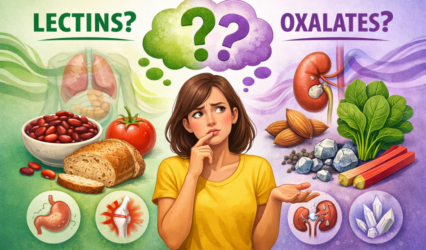
The idea of living completely lectin-free sounds appealing at first, especially if you’ve experienced digestive discomfort, inflammation, or unexplained reactions to certain foods. But in reality, eliminating all lectins from the human diet is nearly impossible. Lectins are naturally present across the plant kingdom, woven into foods humans have eaten for thousands of years.
That’s why this approach focuses on low-lectin, not lectin-free.
Lectins do not affect everyone the same way. Some people tolerate nightshades with no issue, while others experience noticeable symptoms. Certain lectins can be problematic for sensitive individuals, while others appear neutral, or even beneficial depending on the food, preparation method, and the person eating it.
This creates a complex matrix of possibilities:
When you combine all of that, strict elimination becomes less practical and less helpful than understanding.
A low-lectin approach encourages awareness over restriction. It’s about learning how foods interact with your body, recognizing patterns, and making informed choices instead of following rigid rules. If digestion feels off, energy drops, or inflammation appears, the goal isn’t fear, it’s clarity.
This philosophy is the foundation of the Living Low-Lectin approach: not perfection, not extremes, but a sustainable path built on knowledge, observation, and personal response.
Living Low-Lectin is a lifestyle centered on understanding how certain naturally occurring food proteins called lectins interact with the human body, and learning how to reduce their potential impact through informed food choices and preparation methods.
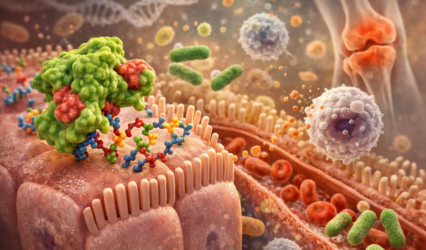
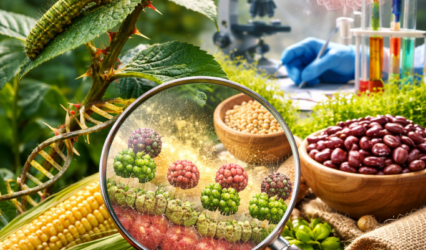
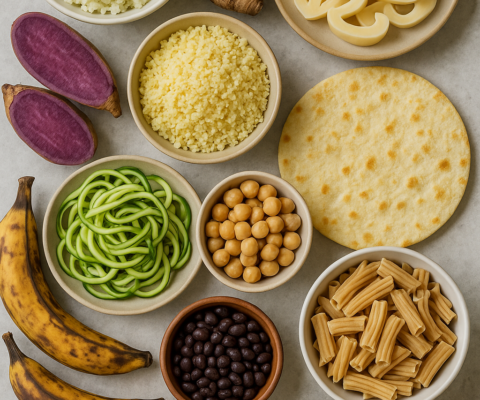
 Lectins are found in many common foods, especially grains, legumes, nightshades, and some seeds. For some people, these proteins pass through the digestive system without much issue. For others, they may contribute to digestive discomfort, inflammation, brain fog, fatigue, joint pain, or a general sense that the body is working harder than it should. Living Low-Lectin is not about fear of food or rigid restriction. It is about awareness, preparation, and personalization.
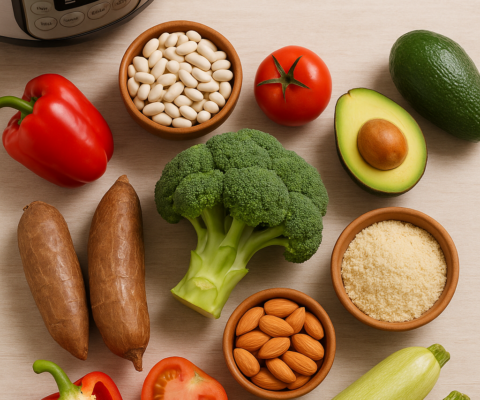
At its core, this lifestyle encourages people to pay attention to how food makes them feel rather than following one-size-fits-all rules. It emphasizes cooking techniques like pressure cooking, fermenting, soaking, and peeling, as well as choosing ingredients that are naturally lower in problematic lectins. Over time, many people find that digestion improves, energy becomes more stable, inflammation eases, and their relationship with food feels calmer and more intentional.
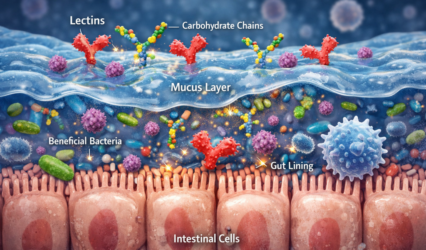
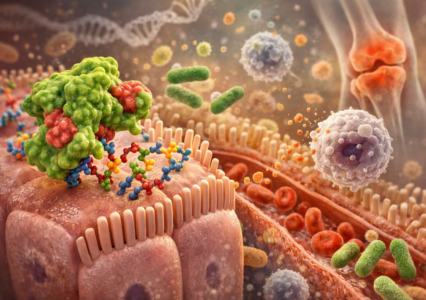
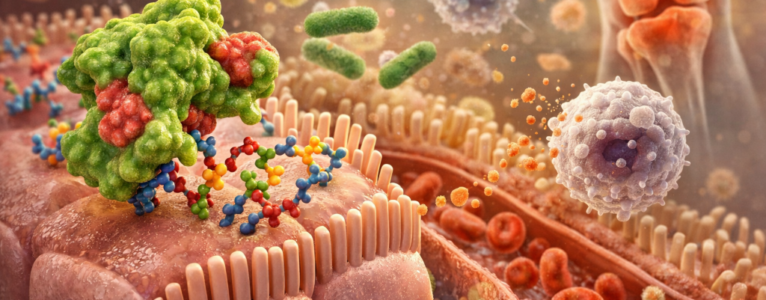
Many people arrive at Living Low-Lectin after trying everything else. They may have experimented with elimination diets, supplements, or lifestyle changes without fully understanding why certain foods continue to cause issues. This approach offers a different lens. Instead of focusing only on calories, macros, or labels like gluten-free or plant-based, it looks at how specific proteins interact with the gut and immune system.
 A low-lectin journey can be empowering because it gives people tools rather than rules. It helps explain why a food that is considered “healthy” on paper may still cause problems for some individuals. It also shows that improvement does not require perfection. Small changes in preparation, sourcing, and timing can make a meaningful difference.
Most importantly, Living Low-Lectin is meant to be sustainable. It is not about cutting everything out forever. It is about learning enough to make informed choices, listening to your body’s signals, and building habits that support long-term well-being rather than short-term fixes.
If this way of thinking about food feels new or intriguing, the best place to begin is with the fundamentals. Understanding what lectins are, where they come from, and how they behave in the body provides the foundation for everything that follows.
To dive deeper into the science, food sources, and practical basics behind this lifestyle, visit Lectin Basics, where the concepts behind Living Low-Lectin are broken down in a clear, approachable way.
Understanding your body takes time, patience, and reliable information. Continue your journey by exploring articles, guides, and insights designed to help you make sense of lectins, food choices, and how they may affect you personally.
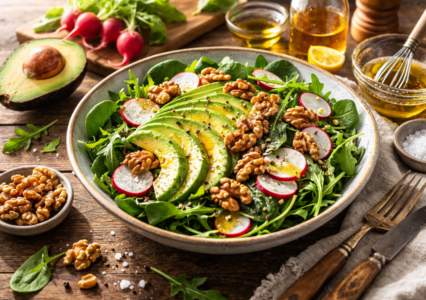
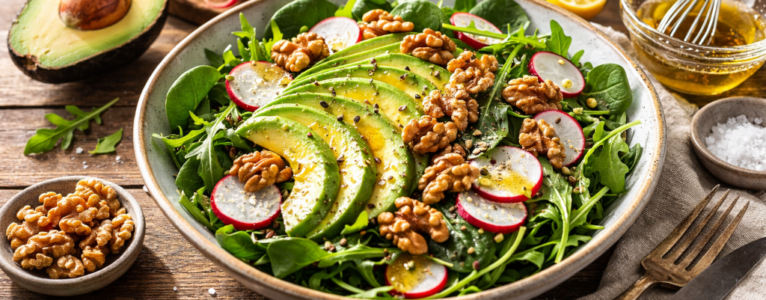
There is something almost rebellious about building a meal around simplicity. In a world where food labels stretch for paragraphs and convenience often replaces craftsmanship, a bowl of greens topped with avocado and walnuts can feel almost radical.
When most people begin learning about lectins, they focus on the food itself. Beans. Grains. Nightshades. Seeds. The conversation usually revolves around which foods contain more lectins and which contain fewer.
There is something grounding about putting a sheet pan in the oven and waiting for vegetables to transform. Raw Brussels sprouts are tight, pale, and slightly bitter. Bacon is soft and pliable.
There is something comforting about a bowl of noodles coated in fresh pesto and topped with warm slices of grilled chicken. It feels familiar. It feels complete.
There is something grounding about a meal that feels both simple and intentional. When people begin exploring a low lectin lifestyle, they often expect complicated rules, rigid food charts, and endless substitutions.
When most people hear the word lectin, they think about food lists. Beans. Grains. Nightshades. Seeds. Maybe they think about pressure cookers, soaking methods, or the debate over whether lectins are misunderstood or dangerous.
There is something deeply comforting about a tray of stuffed peppers coming out of the oven. The aroma fills the kitchen. The filling bubbles at the edges. The peppers soften just enough to hold everything together without collapsing into mush.
For many people, choosing a vegetarian lifestyle begins with deeply held values. It might be about compassion toward animals, environmental stewardship, cultural tradition, or simply feeling better on a plant-based diet.
Curry is one of those meals that feels universal. It is warm, layered, fragrant, and deeply comforting. For many people, chickpea curry is a staple. Chickpeas are affordable, filling, and widely considered healthy.
Breakfast has always carried symbolic weight. It is the first decision of the day, the first signal we send to our metabolism, our hormones, and our digestive system.
The information provided on this website, including any articles, guides, downloads, or related materials, is based on personal experience, independent research, and publicly available scientific literature. It is intended for general informational and educational purposes only and should not be considered medical advice.
This content is not meant to diagnose, treat, cure, or prevent any medical condition, nor should it replace guidance from a physician, registered dietitian, or other qualified healthcare professional. Health conditions, dietary needs, and individual responses to food vary widely. Always consult your healthcare provider before making changes to your diet, lifestyle, or health routine, especially if you have an existing medical condition or are taking medication.
While every effort has been made to present information that is accurate, balanced, and up to date at the time of publication, nutrition science continues to evolve. The author makes no guarantees regarding the completeness, accuracy, or current applicability of the information presented and assumes no responsibility for errors, omissions, or outcomes resulting from the use of this material.
Readers are encouraged to use this content as a general guide and starting point for learning, not as a one-size-fits-all solution. Your health decisions should always be informed by your own judgment, professional guidance, and what works best for your individual body.