Low-Lectin Sweet Treats: Exploring Inulin, Yacon Syrup, and Monk Fruit
A low-lectin lifestyle can change the way someone thinks about dessert.

Choosing the right ingredients is easier when you have clear, organized references at your fingertips. This category offers lectin-safe food lists, shopping guides, substitution charts, and product breakdowns to help you navigate the grocery store with confidence. You’ll learn which foods support a low-lectin lifestyle and how to replace common high-lectin ingredients without sacrificing taste.
These resources are practical, printable, and grounded in real-world experience. Use this section anytime you’re planning meals or stocking your pantry.
A low-lectin lifestyle can change the way someone thinks about dessert.
Mushrooms occupy an interesting place in the low-lectin kitchen. They offer deep, savory flavors, satisfying textures, and a range of naturally occurring compounds that have attracted considerable scientific interest.
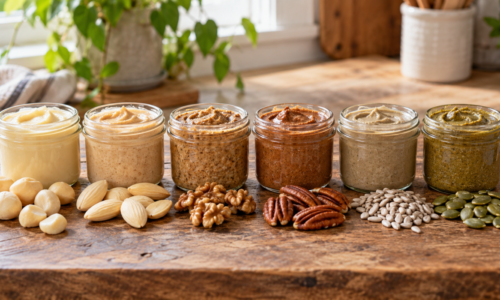
Nut and seed butters earn their place in the kitchen because they solve so many small food problems at once.
Vinegar occupies an unusual place in the kitchen. A tablespoon can brighten roasted vegetables, balance a rich dressing, sharpen a marinade, preserve food, or rescue a sauce that tastes flat.
A patch of weeds at the edge of a garden can look very different once you know which plants are edible.
Citrus can occupy an awkward place in a low-lectin kitchen.
A jar of dried oregano looks simple enough, but spice shopping can become surprisingly complicated when someone is trying to avoid nightshades.
A low-lectin lifestyle usually directs the most attention toward plant foods, especially foods such as beans, certain grains, peanuts, and some seeds that can contain meaningful amounts of lectins unless they are prepared appropriately.
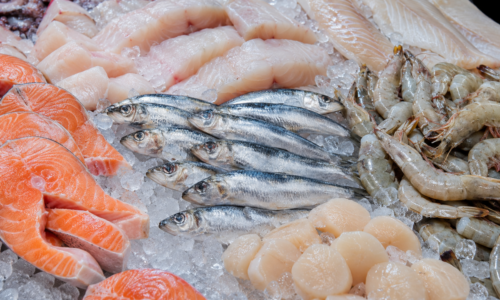
Seafood can fit comfortably into a low-lectin eating pattern because fish and shellfish are naturally very different from the plant foods that contain the lectins most often discussed in nutrition.
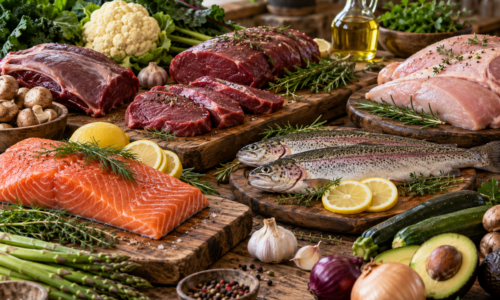
A low-lectin grocery list often begins with plants, because lectins are proteins found widely in plant foods and are especially concentrated in certain raw or improperly prepared legumes and grains
Changing ingredients is easy. Recreating what those ingredients actually do in a dish is the part that takes practice.
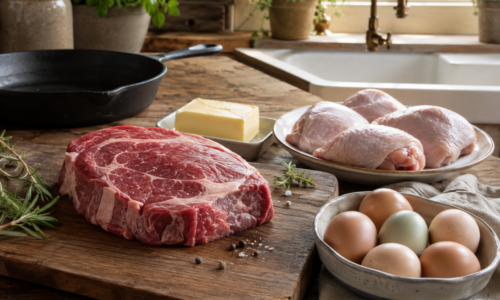
Dairy often becomes one of the most confusing parts of a low-lectin lifestyle. Some people remove it immediately, assuming every milk product belongs on the same avoidance list.
The modern grocery store is built to make people feel like they are making good choices before they ever read an ingredient list. Bright labels, earthy packaging, gentle fonts, and comforting claims work together to create a mood.
Comfort food is rarely just about food. It is memory, routine, family, weather, stress relief, and the kind of meal that tells your nervous system, “You can relax now.”
A low-lectin lifestyle becomes much easier when your pantry quietly supports you before hunger starts making decisions.