How Food Frequency Questionnaires Skew Data
Nutrition headlines often arrive with impressive numbers attached. Eating a certain food may be associated with a higher disease risk. Another food appears protective.

Nutrition headlines often arrive with impressive numbers attached. Eating a certain food may be associated with a higher disease risk. Another food appears protective.
Nutrition research often feels like a maze. One week, a headline tells readers that a certain food is protective. The next week, another headline suggests the same food may be risky, overrated, or misunderstood.
Nutrition headlines have a special talent for making everyday meals feel like a courtroom drama. One week, coffee is protective. Another week, red meat is dangerous.
In health writing, the phrase “double-blind study” often gets treated like the gold seal of truth. It sounds clean, strict, and almost courtroom-level reliable.
Nutrition science has always had a frustrating little problem hiding in plain sight: people are not identical. One person can eat a bowl of beans and feel satisfied, energized, and regular.
When people begin researching lectins, they often encounter bold claims backed by dramatic laboratory findings. A rat develops intestinal damage after being fed a purified plant protein.
When people first hear about lectins, they are usually introduced to them as dietary troublemakers. Lectins are often described as plant proteins that irritate the gut, disrupt digestion, or trigger inflammation.
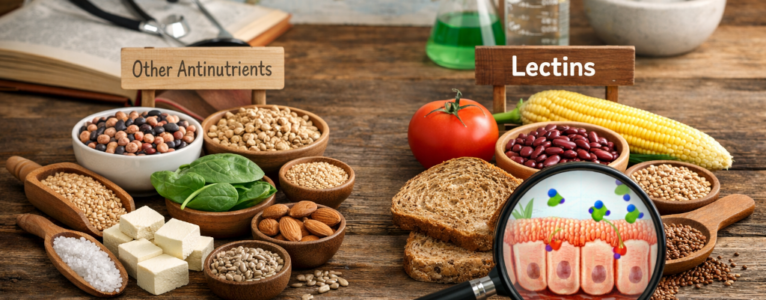
The word antinutrient has become a catch-all term in modern nutrition discussions. It appears in podcasts, blog posts, comment sections, and food debates, often framed as something to fear, eliminate, or ignore entirely.