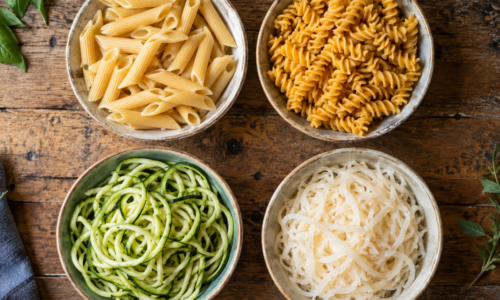
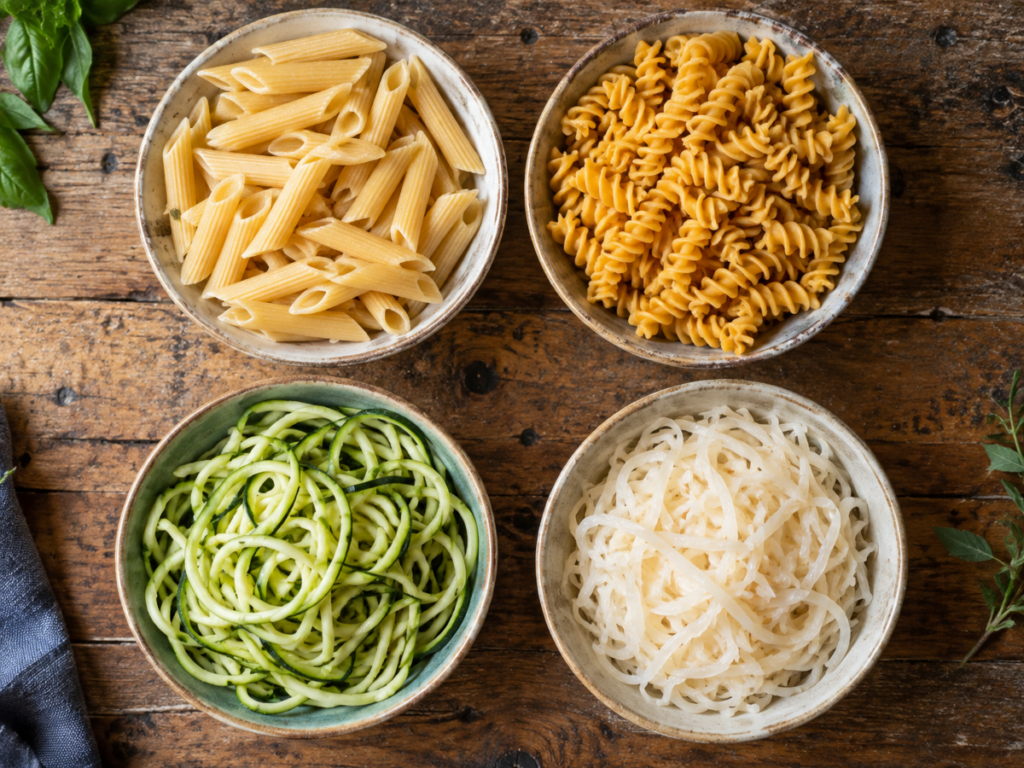
A package of gluten-free pasta can look like an ideal replacement for traditional wheat pasta. The label promises the absence of gluten, and the ingredients might include chickpeas, lentils, corn, or rice. For someone following a gluten-free diet, that substitution may accomplish exactly what they need. For someone following a low-lectin lifestyle, however, the ingredient list deserves a closer look.
Gluten-free and low-lectin diets share considerable territory, particularly in their treatment of wheat and certain grain-based foods. Both can influence which breads, pastas, cereals, and baked goods end up on the dinner table. Yet the two approaches focus on different food components, rely on different scientific considerations, and sometimes lead to very different ingredient choices.
Understanding where these approaches overlap makes it easier to evaluate food labels, select suitable substitutions, and adapt familiar recipes. It also explains why removing gluten may satisfy one dietary goal while leaving other ingredients that someone following a low-lectin lifestyle prefers to limit.
Understanding the Difference Between Gluten and Lectins
Gluten refers to a group of storage proteins found in wheat, barley, rye, and related grains. In wheat, the principal gluten-forming proteins are gliadins and glutenins, which contribute to the elasticity and structure of bread dough. Gluten helps bread rise, gives pasta its familiar chew, and allows many baked goods to hold together during preparation.
Lectins are a much broader group of proteins capable of binding to particular carbohydrates. They occur in numerous plants, including legumes and grains, and differ considerably in their biological properties. Some lectins have well-established food-safety implications when foods are improperly prepared, while the effects of many others at ordinary dietary exposures remain uncertain.
Wheat illustrates why the distinction matters. Alongside its gluten proteins, wheat contains a separate lectin called wheat germ agglutinin (WGA), concentrated in the germ portion of the grain. WGA and gluten belong to different protein groups, although they originate from the same plant. Refined wheat flour generally contains less germ material than whole-wheat flour, so different wheat products may contain substantially different amounts of WGA.
A gluten-free diet specifically addresses gluten exposure. A low-lectin approach considers a wider selection of ingredients, their preparation, and the particular lectins someone wishes to limit. Unlike gluten-free labeling, low-lectin terminology has no standardized regulatory definition or universally accepted classification system for foods.
Why Wheat Creates So Much Overlap
Wheat is one of the main reasons gluten-free and low-lectin eating patterns often resemble each other. Removing conventional wheat bread, pasta, flour tortillas, crackers, and breakfast cereals eliminates foods commonly restricted in both approaches. The underlying reasons for avoiding those foods, however, deserve separate consideration.
For people with celiac disease, avoiding gluten is medically necessary. Celiac disease is an autoimmune condition in which gluten exposure causes an immune response that damages the small intestine. A strict gluten-free diet is the established treatment, and even relatively small amounts of gluten can matter. Wheat allergy represents another medical reason for avoiding certain wheat proteins, although its underlying immune mechanisms differ from celiac disease.
For low-lectin eaters, wheat germ agglutinin often receives particular attention. A 2024 scientific review published in Foods examines WGA’s biochemical properties, its distribution within wheat, and its potential use as a marker of wheat germ content in food products. The researchers describe considerable variation in reported WGA concentrations and limitations in existing measurement methods.
Laboratory research has demonstrated that WGA can bind to specific carbohydrate structures, including some found on the surfaces of cells. These observations have encouraged research into its biological activity, but they do not establish that consuming ordinary servings of cooked wheat causes intestinal injury or inflammation through WGA exposure. Wheat processing, cooking conditions, and the amount of active protein reaching intestinal tissues all influence how laboratory findings relate to actual food consumption.
For someone choosing to avoid wheat as part of a low-lectin lifestyle, removing it also eliminates a major dietary source of gluten. That overlap can simplify grocery shopping and meal preparation, even though the scientific evidence supporting medical gluten avoidance is much more established than the evidence for restricting WGA to improve human health.
Why Gluten-Free Foods Are Not Automatically Low-Lectin
The gluten-free section of a supermarket contains products made from ingredients with very different nutritional and biochemical characteristics. Two boxes of gluten-free pasta may offer similar cooking convenience while relying on entirely different plant sources.
Chickpea pasta, lentil pasta, and products containing soy flour are familiar examples. These ingredients contain no naturally occurring gluten, but the underlying legumes can contain lectins. Manufacturing and cooking may substantially reduce the activity of certain lectins, making it inappropriate to assume that a finished pasta contains the same active lectins as its raw ingredients.
Gluten-free breads present similar considerations. Manufacturers frequently combine rice flour, corn starch, potato starch, pea protein, soy flour, and binding agents to reproduce the texture that gluten normally provides. A product can meet gluten-free requirements while containing several ingredients that a person following a particular low-lectin approach chooses to avoid.
Corn, rice, quinoa, and oats also appear in many gluten-free products. Their suitability within low-lectin eating patterns varies according to the dietary framework being followed, and their presence alone does not establish that a finished product contains biologically significant amounts of active lectins. Some approaches exclude selected grains, while others allow particular grains or preparation methods.
A useful shopping habit is to examine the main flour or starch before considering the product’s other ingredients. Someone avoiding legumes may find cassava-based pasta more suitable than chickpea pasta, while another person may prefer vegetable-based noodles instead of grain alternatives. These choices reflect ingredient preferences and recipe requirements rather than proof that one gluten-free ingredient is universally safer than another.
What Gluten-Free Food Labels Actually Guarantee
In the United States, gluten-free is a regulated labeling claim. The FDA’s gluten-free labeling requirements establish conditions for products bearing that designation, including a limit of less than 20 parts per million of unavoidable gluten.
This standard provides meaningful protection for people with celiac disease. It concerns gluten exposure rather than the broader protein composition of the food, and it does not evaluate whether other plant proteins fit a particular low-lectin dietary approach.
One less obvious detail involves ingredients derived from wheat. Under specific conditions, wheat starch processed to remove gluten may be included in a product labeled gluten-free. The finished product must satisfy the FDA’s requirements, including the gluten threshold and applicable ingredient-labeling rules. Such a product may be suitable for gluten avoidance while remaining inappropriate for someone who excludes all wheat-derived ingredients.
A gluten-free designation also does not indicate whether the product is high in fiber, contains substantial protein, or relies heavily on refined starches. Those characteristics require examining the Nutrition Facts panel and ingredient list separately.
For low-lectin shoppers, the gluten-free label provides a useful first screening step when gluten avoidance is part of the plan. Identifying the actual flour, starch, protein ingredients, and other components determines whether the product also meets their broader food preferences.
Why Feeling Better Without Gluten Does Not Always Identify the Cause
Removing wheat changes more than gluten intake. Wheat-based foods contain starches, fiber, fructans, and proteins unrelated to gluten. Replacing bread or pasta with another ingredient may alter several dietary factors simultaneously, making it difficult to identify which change influenced digestive symptoms.
Fructans are particularly relevant because they belong to a group of fermentable carbohydrates known as FODMAPs. These carbohydrates can be fermented by intestinal bacteria, producing gas and sometimes contributing to bloating, abdominal discomfort, and changes in bowel habits in susceptible people. Wheat, onions, garlic, and several other common foods contain fructans.
A 2018 randomized, double-blind crossover study published in Gastroenterology examined 59 people who reported non-celiac gluten sensitivity and were already following self-selected gluten-free diets. Participants consumed separate challenges containing gluten, fructans, or a placebo. The researchers found greater overall gastrointestinal symptom scores following fructan consumption than gluten consumption, while symptoms did not differ significantly between the gluten and placebo challenges.
The findings suggest that fructans may explain some symptoms previously attributed to gluten in this population. The relatively small study and short exposure periods limit broader conclusions, and the results do not establish fructans as the explanation for every person’s wheat-related symptoms.
The distinction matters for low-lectin eaters because eliminating wheat may also reduce dietary fructans. Someone who experiences less bloating after switching from wheat pasta to zucchini noodles cannot determine from that observation alone whether gluten, fructans, another wheat component, portion size, or another dietary change was responsible.
A food journal can help clarify patterns by recording ingredients, portion sizes, preparation methods, and symptoms. Keeping comparisons reasonably consistent makes the observations more informative, although the results remain personal dietary observations rather than controlled scientific evidence.
Cooking Methods Affect Lectins and Gluten Differently
Food preparation is a significant part of many low-lectin approaches. Soaking, boiling, pressure cooking, and fermentation can change the composition of foods, but their effects depend on the ingredient and the specific proteins involved.
Raw or undercooked kidney beans provide one of the clearest examples of a lectin-related food-safety concern. They contain phytohaemagglutinin (PHA), a lectin capable of causing severe nausea, vomiting, and diarrhea when beans are improperly prepared. This is a documented risk associated with inadequate cooking, rather than a general claim about the effects of eating properly cooked legumes.
The FDA’s guidance on natural toxins in food recommends soaking dried kidney beans for at least five hours, discarding the soaking water, and boiling them in fresh water for at least 30 minutes. Properly cooked and commercially canned kidney beans have sufficiently low PHA activity for ordinary consumption. Slow cookers should not be relied upon to cook raw kidney beans safely because they may not reach temperatures adequate to inactivate PHA.
Pressure cooking can provide effective moist-heat treatment for suitable foods when appropriate equipment and procedures are used. However, demonstrating that heat reduces PHA activity does not establish identical results for WGA or every lectin found in grains and vegetables. The available evidence also does not show that reducing measurable lectin activity in all foods necessarily produces improved health outcomes.
Gluten behaves differently from these heat-sensitive lectins. Ordinary baking, boiling, roasting, or pressure cooking does not reliably make gluten-containing foods safe for someone with celiac disease. Heating changes protein structures, but the relevant gluten components can remain capable of triggering the autoimmune response.
Sourdough fermentation introduces another consideration. Fermentation can modify grain proteins and carbohydrates, and some specialized fermentation processes have been investigated for gluten reduction. Ordinary wheat sourdough bread, however, remains a gluten-containing food and should not be considered suitable for celiac disease simply because it has undergone a long fermentation.
These differences have practical consequences in the kitchen. Properly cooking a legume may address a known lectin hazard, while preparing wheat pasta thoroughly does not remove the need for gluten avoidance in people with celiac disease.
Choosing Ingredients That Work With Both Approaches
Many meals can satisfy both gluten avoidance and common low-lectin preferences without requiring elaborate substitutions. Eggs, fish, unbreaded poultry, meat, and numerous vegetables are naturally free from gluten. Preparing them with suitable herbs, oils, and accompanying ingredients makes it possible to build complete dishes around familiar foods.
Replacing wheat flour requires more planning because gluten contributes elasticity and structure to baked goods. Alternative flours absorb moisture differently, and some contain substantially different amounts of fat, fiber, or starch.
Blanched almond flour is popular in some low-lectin kitchens, particularly among people who prefer nuts without their skins. It produces a rich, tender crumb but lacks the elasticity needed for conventional yeast bread. Removing almond skins changes the ingredient’s composition, although reliable evidence is insufficient to assign a precise lectin-reduction benefit to blanching.
Coconut flour presents another challenge because its high fiber content allows it to absorb considerable liquid. Substituting it directly for wheat or almond flour can produce an excessively dry mixture unless the recipe is reformulated. Eggs or other binding ingredients are commonly used in recipes specifically developed for coconut flour.
Arrowroot and tapioca starch can thicken sauces or contribute structure to certain gluten-free baked goods. Their thickening behavior differs from wheat flour, and neither independently recreates gluten’s elastic properties. A recipe designed around these starches generally produces better results than replacing wheat flour without adjusting the other ingredients.
Pasta offers several straightforward alternatives. Zucchini noodles provide a lighter texture and release moisture during cooking, making them suitable for quick sautéing and sauces that are not excessively thin. Hearts of palm noodles have a firmer texture and are convenient in prepared forms, while spaghetti squash separates into strands after cooking and works particularly well with oil-based or relatively thick sauces.
For breading, finely ground preferred nuts or appropriately formulated gluten-free coatings can replace conventional wheat breadcrumbs. Nut-based coatings may brown more quickly and are less absorbent than traditional crumbs, so cooking methods and temperatures may need adjustment. Egg-based wraps, lettuce leaves, and suitable grain-free flatbreads provide additional options for replacing wheat tortillas and sandwich bread.
Reading Ingredient Lists and Dining Out
Packaged foods can require more investigation than their front labels suggest. A gluten-free cracker may contain chickpea flour, while another relies on cassava flour, tapioca starch, or a mixture of nut and seed ingredients. The products may look nearly identical but fit different low-lectin ingredient preferences.
Manufacturers rarely disclose enough information to determine the remaining activity of individual lectins after processing. Ingredient lists are therefore more useful for identifying foods someone intends to limit than for estimating the precise biological activity of lectins in a finished product.
The Celiac Disease Foundation’s guide to gluten-free foods explains common ingredient considerations, including naturally gluten-free grains and the possibility of cross-contact. Oats deserve particular care because harvesting and processing equipment may expose them to wheat, barley, or rye. People with celiac disease should select oats specifically labeled gluten-free, recognizing that a small number may also react to oat proteins.
Restaurant dining introduces additional questions. A gluten-free pasta dish may use chickpeas or lentils, while a wheat-free sauce could contain soy ingredients or other components someone following a low-lectin approach prefers to avoid. Asking about the pasta’s flour base, the ingredients in a sauce, and any prepared toppings can reveal more than the menu designation alone.
For people with celiac disease, preparation procedures matter as well. Shared pasta water, cooking surfaces, utensils, and fryers can introduce gluten through cross-contact. A dish made from naturally gluten-free ingredients is not necessarily prepared under conditions suitable for someone requiring strict gluten avoidance.
A grilled fish dish with roasted vegetables and an olive oil-based dressing may provide a simpler restaurant option than a heavily modified pasta or breaded entrée. Checking marinades, sauces, and seasoning mixtures remains worthwhile, particularly when the kitchen uses prepared products containing wheat or other unwanted ingredients.
Maintaining Nutritional Variety While Restricting Ingredients
Eliminating wheat, legumes, and several grains can substantially change the nutritional composition of a diet. Whole grains and legumes commonly provide dietary fiber, B vitamins, minerals, and plant protein. Removing multiple food groups without suitable replacements can make it harder to maintain adequate nutrient intake.
This issue becomes particularly relevant when someone follows both gluten-free and restrictive low-lectin guidelines. Gluten-free eating alone permits many foods, including beans, lentils, rice, quinoa, and appropriately sourced oats. Some low-lectin approaches exclude several of these ingredients, reducing the number of familiar sources of fiber and complex carbohydrates.
Vegetables, selected fruits, nuts, seeds, and suitable protein foods can help fill nutritional gaps. The exact choices depend on which ingredients are being excluded and how extensively the diet has changed. Specialty gluten-free products should also be evaluated individually because some are relatively low in fiber or protein and contain considerable refined starch.
Cost matters in daily meal planning. Alternative flours, prepared vegetable noodles, and specialty breads can be expensive compared with conventional ingredients. Preparing ordinary meals around eggs, poultry, fish, seasonal vegetables, and suitable starches often reduces reliance on specialty products while allowing greater control over ingredients.
When Medical Testing Should Come Before Gluten Elimination
Persistent digestive symptoms sometimes lead people to remove gluten before investigating their cause. This can complicate the diagnosis of celiac disease because blood tests and intestinal biopsies depend on detecting changes associated with gluten exposure.
The National Institute of Diabetes and Digestive and Kidney Diseases explains that people should generally undergo diagnostic testing before beginning a gluten-free diet. Someone already avoiding gluten may need a different testing plan developed with a healthcare professional, rather than attempting to reintroduce gluten independently.
Wheat allergy also requires distinction from celiac disease and non-celiac wheat sensitivity. A person with wheat allergy may react to wheat proteins other than gluten, making products containing gluten-removed wheat ingredients potentially unsuitable. Gluten-free labeling alone does not establish that a food is safe for someone with wheat allergy.
For people without a diagnosed gluten-related disorder, ingredient selection may be guided by food preferences and observed tolerance. Those observations can be useful when developing everyday meals, but they cannot replace testing for conditions that require specific dietary treatment.
Adapting Familiar Recipes Without Confusing the Two Diets
Consider a familiar dinner of grilled chicken served over pesto-coated pasta. Traditional wheat noodles contain gluten and may contain WGA in amounts influenced by the flour and processing method. Switching to chickpea pasta removes gluten but introduces a legume ingredient that someone following a particular low-lectin approach may prefer to avoid.
Zucchini noodles or hearts of palm noodles provide another option while preserving the familiar combination of grilled chicken, basil, garlic, and olive oil. Zucchini benefits from brief cooking and careful moisture management, especially when paired with pesto. Hearts of palm noodles require little preparation and provide a firmer base for warm chicken and thicker sauces.
The pesto itself can be adapted according to ingredient preferences. Fresh basil, extra virgin olive oil, garlic, suitable cheese, and preferred nuts provide the foundation for a traditional-style sauce. Walnuts or blanched almonds can replace pine nuts when desired, although their flavors, fat contents, and textures differ. Adding nuts gradually while blending helps control the consistency without relying on a fixed substitution ratio.
The same method applies to other familiar dishes. A chicken casserole may need only a different thickener, while a breaded cutlet may require a new coating and adjustments to prevent excessive browning. Recipes involving yeast bread generally demand more extensive reformulation because gluten contributes structural properties that a single substitute ingredient cannot reproduce.
Planning substitutions around the finished dish makes these changes more practical. A pasta sauce needs noodles that hold their texture, a gravy needs a thickener that behaves predictably, and a baked loaf needs sufficient structure to rise and slice properly. Choosing ingredients for these specific culinary functions allows gluten-free and low-lectin preferences to fit into everyday cooking without sacrificing the qualities that make familiar recipes enjoyable.