Low-Lectin Kitchen Audit: 10 Common Pantry Items to Remove on Day One
Opening your pantry at the beginning of a low-lectin lifestyle can reveal how heavily your everyday meals depend on a relatively small collection of ingredients.

Opening your pantry at the beginning of a low-lectin lifestyle can reveal how heavily your everyday meals depend on a relatively small collection of ingredients.
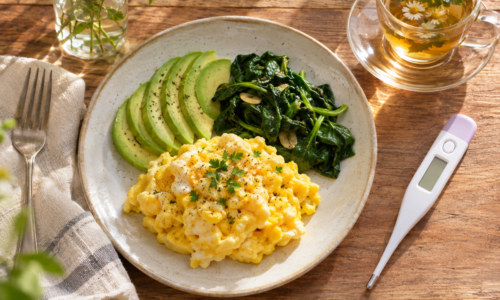
Eggs are one of the easiest breakfast foods to build a low-lectin meal around. They are quick to prepare, relatively affordable, and compatible with an impressive variety of vegetables, meats, and cheeses.
A bowl of bean soup, a sandwich made with whole-grain bread, or a generous serving of lentils can leave some people struggling with abdominal pressure, bloating, and digestive discomfort for hours.
The intestinal lining is only a single layer of cells thick, yet it performs one of the digestive system’s most demanding jobs.
Giving up a familiar food can be more difficult than changing an entire meal plan.
A mason jar salad can travel neatly to work and still disappoint at lunch if the lettuce is sitting in dressing or surrounded by damp vegetables.
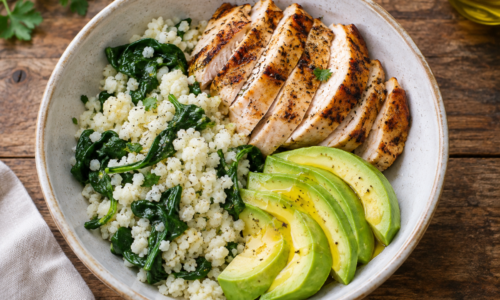
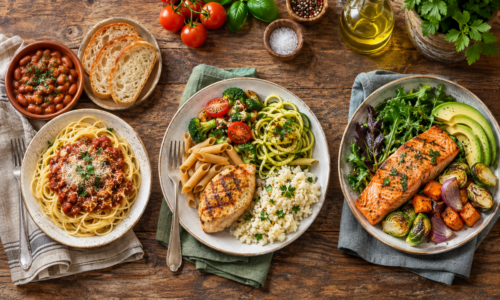
A satisfying low-lectin meal does not require an elaborate recipe or an extensive collection of specialty ingredients.
A delayed flight, an unexpected highway closure, or several hours between restaurants can make food planning difficult for someone following a low-lectin diet.
A thermometer reading taken before getting out of bed may seem like an unusual addition to a digestive health journal.
A meal often begins before the mind has caught up with what the body is doing. Food reaches the table while attention remains occupied with work, household responsibilities, or the next item on a crowded schedule.
A carefully prepared meal can contain more than the ingredients listed in a recipe.
Most of the digestive process happens without our awareness. Food enters the stomach, passes through the small intestine, and eventually reaches the colon, where remaining material becomes stool.
A meal that feels perfectly comfortable in the afternoon can leave someone bloated, sluggish, or uncomfortable when eaten at three in the morning.
Two packages of gluten-free crackers can look nearly identical from the front. Turn them over, however, and one may begin with brown rice flour and cornmeal while the other relies on cassava flour, tapioca starch, and almond flour.
Changing to a low-lectin diet can become complicated when the first step involves removing half the foods in the kitchen.