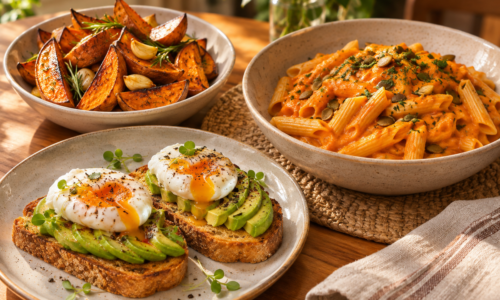
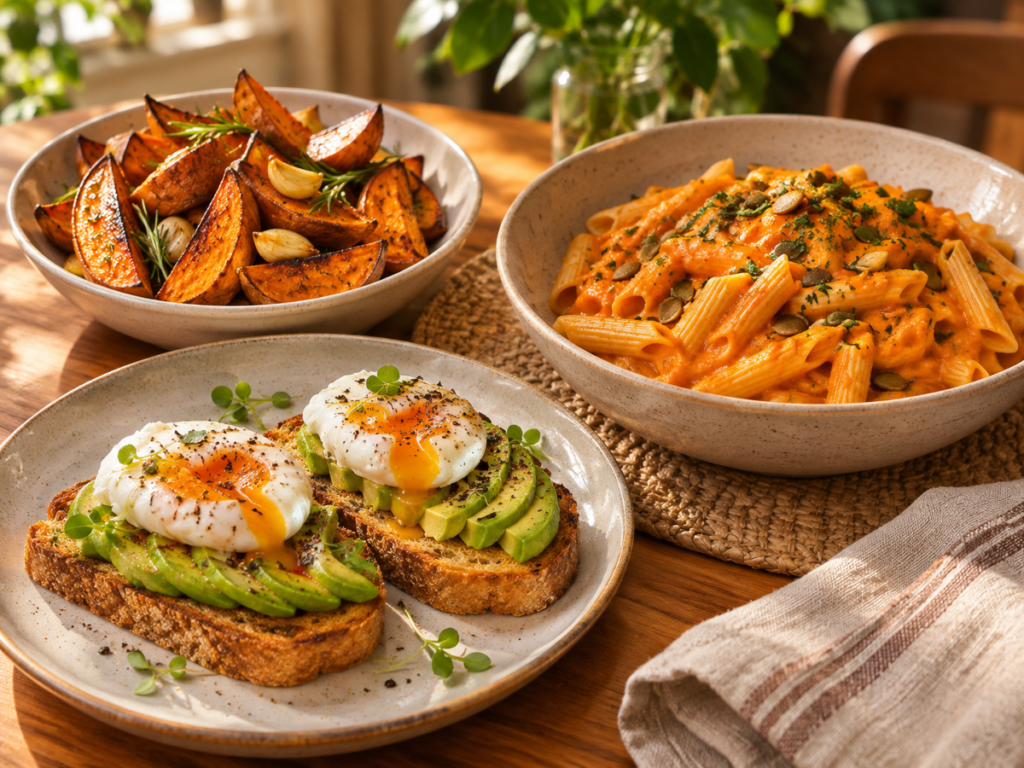
Giving up a familiar food can be more difficult than changing an entire meal plan. A sandwich made with freshly baked bread, a plate of crispy roasted potatoes, or a bowl of pasta covered in rich tomato sauce carries expectations about flavor, texture, and satisfaction. When those foods disappear from the menu, even a carefully prepared meal can feel as though something is missing.
Bread, white potatoes, and tomato-based sauces are three foods that can be especially challenging to replace when following a restrictive low-lectin approach. Each serves a different culinary purpose, which explains why simply substituting another vegetable or flour does not always produce a satisfying result. The most successful replacements preserve the qualities that made the original appealing, whether that means bread’s chewiness, the crisp exterior of roasted potatoes, or the savory acidity of tomato sauce.
The scientific reasoning behind restricting these foods deserves some perspective. Lectins are a diverse group of proteins with different properties, and their biological activity can change during food preparation. The Harvard T.H. Chan School of Public Health’s review of dietary lectins explains that human research examining the long-term effects of consuming active lectins remains limited. Choosing alternatives can still be a useful part of a personalized eating pattern, particularly when the replacements make everyday cooking more manageable.
1. Bread: Replacing the Texture You Miss Most
Bread is difficult to replace because it performs several jobs in everyday cooking. It holds sandwich fillings together, absorbs soups and sauces, provides a crisp surface for toast, and offers a chewy texture that many alternative ingredients cannot reproduce. Removing conventional wheat bread can change breakfast and lunch more dramatically than expected.
Wheat contains proteins, including wheat germ agglutinin, that are frequently discussed in low-lectin dietary literature. The presence of these proteins in wheat does not establish that normally prepared bread causes inflammation or digestive problems in people who tolerate it. Nevertheless, many low-lectin approaches limit wheat, making alternative baking ingredients valuable for recreating familiar meals.
Almond Flour and Coconut Flour Bread
Almond flour is a common choice for people replacing conventional wheat products. Its natural fat and protein contribute richness and tenderness, making it useful in quick breads, savory muffins, and certain sandwich loaves. Because almond flour lacks gluten, the resulting bread usually has a denser structure and a more delicate crumb than traditional wheat bread.
Coconut flour behaves differently because its high fiber content allows it to absorb substantial amounts of liquid. Recipes developed around coconut flour often require additional eggs and moisture to produce a workable batter. Substituting coconut flour for wheat flour in equal amounts can leave a mixture excessively thick and produce dry, crumbly results.
The best approach is to begin with a recipe formulated specifically for the chosen flour. A practical almond-flour sandwich loaf may include eggs and a binder such as psyllium husk to improve structure and sliceability. Psyllium forms a gel when mixed with water, helping alternative doughs retain moisture and hold together during baking.
The University of Maine Cooperative Extension’s guide to gluten-free baking explains how eggs, flour blends, and binding ingredients compensate for the structural properties normally supplied by gluten. Although gluten-free baking and low-lectin eating are separate dietary considerations, the techniques used to improve gluten-free bread texture are useful when working with alternative flours.
Almond flour also contains considerably more fat than conventional wheat flour, which influences both its calorie content and storage requirements. Its natural oils can become rancid during extended storage, particularly in warm conditions. Keeping opened packages tightly sealed and following the manufacturer’s refrigeration or freezing recommendations can help preserve their quality.
Sorghum Bread for a More Traditional Texture
Sorghum flour offers another option for people whose low-lectin eating plan includes this grain. Its relatively mild, slightly nutty flavor makes it suitable for sandwich bread, muffins, and other baked goods. Sorghum is naturally gluten-free, although it cannot reproduce wheat’s elasticity without assistance from other ingredients.
A sorghum-based loaf generally benefits from a carefully formulated combination of flour, starch, liquid, and binding ingredients. The starch helps provide a softer crumb, while ingredients such as eggs or psyllium improve cohesion. Depending on the recipe, the finished bread may be more suitable for toasting than for making delicate, untoasted sandwiches.
Sorghum is sometimes promoted within low-lectin dietary programs, but being gluten-free does not establish that a grain contains no lectins. Its suitability depends on the particular dietary approach being followed, and broad claims that every sorghum product is lectin-free are not well supported. For readers who include sorghum, however, it provides a useful alternative to wheat-based baking.
Commercial bread alternatives require similar attention. Gluten-free products may contain chickpea flour, soy flour, corn ingredients, or starch blends that fall outside some low-lectin eating plans. Reading the ingredient list is more useful than relying on a package label that addresses gluten rather than lectins.
Replacing Bread Without Baking Anything
Recreating an entire loaf is not always necessary. Large romaine leaves can hold grilled chicken, avocado, and sliced vegetables for a crisp lunch wrap, while thin egg-based wraps provide a softer covering for sandwiches and breakfast fillings. These options are particularly convenient when time or specialty ingredients are limited.
Roasted sweet potato rounds can also serve as the base for small open-faced sandwiches. Their firm texture works with eggs, sautéed mushrooms, or seasoned shredded chicken, although they cannot provide the flexibility of ordinary sliced bread. For meals where the bread itself is the attraction, a properly formulated alternative loaf is generally more satisfying than trying to make vegetables imitate its texture.
2. White Potatoes: Finding Something That Crisps, Mashes, and Satisfies
White potatoes appear in an enormous variety of familiar dishes. They can be mashed into a smooth side dish, roasted until crisp, sliced into breakfast hash, or used to give soups a thicker consistency. Their relatively neutral flavor makes them adaptable to many seasonings and cooking methods.
Potatoes belong to the nightshade family, along with tomatoes, peppers, and eggplants. Certain low-lectin programs restrict nightshades, although botanical classification alone does not establish that a food contains harmful amounts of active lectins. Potato lectins, potato glycoalkaloids, and potato starch are also different substances with different properties, and concerns about one should not automatically be applied to the others.
For someone excluding white potatoes, sweet potatoes and cauliflower offer two practical alternatives. Their different textures make each better suited to particular dishes, and neither requires unusual equipment or complicated preparation.
Sweet Potatoes for Roasting and Hearty Side Dishes
Despite their similar names, sweet potatoes and white potatoes come from different plant families. Sweet potatoes belong to the morning glory family, while white potatoes belong to the nightshade family, a distinction explained by South Dakota State University Extension. Sweet potatoes provide dietary fiber and potassium, while orange-fleshed varieties are particularly rich in beta-carotene, which the body can convert into vitamin A.
Sweet potatoes work especially well when a meal calls for roasted wedges, a breakfast hash, or a substantial starchy side dish. Their natural sweetness becomes more pronounced during cooking, especially when roasting concentrates their flavor. They will not taste exactly like white potatoes, but savory seasonings can produce an appealing alternative.
For roasted wedges, cut sweet potatoes into evenly sized pieces and dry their surfaces before lightly coating them with olive oil. Spread them across a baking sheet without crowding, allowing hot air to circulate and moisture to escape. Turn the pieces during cooking as needed, and continue roasting until their centers are tender and their exposed edges have browned.
Garlic, rosemary, thyme, and black pepper complement sweet potatoes without introducing additional sweetness. Smoked paprika is another popular seasoning, but it comes from peppers and would not fit a nightshade-free approach. Readers avoiding nightshades can rely on herbs, garlic, onion, and a little citrus zest for a similarly savory result.
Sweet potatoes also work well in breakfast skillets with eggs, mushrooms, and sautéed leafy greens. Their firmer structure allows them to be diced and browned without falling apart as readily as some softer vegetables. White-fleshed sweet potato varieties may appeal to people who prefer a less pronounced sweetness, although flavor and moisture content vary by variety.
Cauliflower for Mashed Potatoes and Creamy Dishes
Cauliflower is particularly useful when the desired result is a creamy texture rather than a substantial roasted starch. Its mild flavor combines easily with butter or olive oil, roasted garlic, herbs, and savory seasonings. Once cooked until tender, cauliflower can be blended into a smooth puree suitable for serving beneath roasted meats or alongside vegetables.
Excess moisture is the most common problem with cauliflower mash. Boiling the florets in a large volume of water can leave them holding enough liquid to produce a thin puree. Steaming the cauliflower and draining it thoroughly before blending provides better control over the finished consistency.
Roasting offers another method when a deeper flavor is preferred. The exposed surfaces develop browning, contributing savory notes that steamed cauliflower lacks. Roasted cauliflower can then be blended with warm broth and a modest amount of olive oil, adding liquid gradually until the desired consistency is reached.
Cauliflower mash does have limitations. It lacks the starch content that gives traditional mashed potatoes their characteristic body, so the texture will generally be lighter and less cohesive. It is also a poor direct replacement in recipes such as potato dumplings, where starch plays a structural role during cooking.
Choosing the Right Replacement for the Dish
The cooking method should determine which alternative enters the recipe. Sweet potatoes are better suited to dishes requiring cubes, wedges, or a substantial starchy vegetable, while cauliflower is more appropriate for purees and creamy preparations. Trying to use one ingredient for every potato recipe usually creates unnecessary texture problems.
Their nutritional differences also matter. Sweet potatoes provide substantially more carbohydrate and energy than cauliflower, which can influence meal planning for people monitoring carbohydrate intake or trying to maintain adequate calories. Replacing a substantial serving of potatoes with cauliflower changes the composition of the meal, even when the resulting plate looks similar.
3. Tomato Sauce: Recreating Richness Without Tomatoes
Tomato sauce presents a different challenge because it contributes several flavors at once. Tomatoes provide acidity, natural sweetness, savory depth, and a characteristic aroma that develops during cooking. A successful replacement needs to account for these qualities rather than simply reproduce the familiar red color.
Tomatoes are another nightshade commonly restricted by certain low-lectin eating plans. Some approaches recommend peeling or removing tomato seeds, but these procedures should not be assumed to eliminate all lectin activity. The European Food Safety Authority’s 2026 assessment of plant lectins identifies substantial differences among plant lectins and important gaps in the available evidence, with its strongest food-safety conclusions concerning inadequately cooked beans rather than normally prepared tomatoes.
For people choosing to avoid tomatoes, several familiar vegetables can provide the foundation for a satisfying sauce. Roasted carrots, pumpkin, winter squash, and beets contribute different combinations of sweetness, body, and color. Acidity, herbs, and savory ingredients can then be adjusted to make the finished sauce suitable for pasta, meatballs, or casseroles.
Roasted Carrot and Pumpkin Sauce
A sauce made from roasted carrots and pumpkin or winter squash provides an alternative to tomato-based pasta sauces. Carrots contribute natural sweetness, while pumpkin adds body and helps create a smooth consistency. Together, they produce a substantial vegetable sauce without requiring tomatoes or unusual ingredients.
Begin by roasting carrots and onion until tender and lightly browned. Combine them with cooked pumpkin or winter squash, garlic, and enough broth to allow smooth blending. Add the liquid gradually because a sauce intended for pasta should coat the noodles rather than collect at the bottom of the bowl.
The main difference between this mixture and traditional tomato sauce is acidity. Tomatoes naturally contain organic acids that help balance their sweetness, while carrots and squash tend to create a sweeter finished sauce. Adding small amounts of lemon juice or apple cider vinegar and tasting between additions can help produce a more savory result.
Fresh basil, oregano, thyme, and parsley contribute familiar Italian-style flavors. Extra virgin olive oil adds richness, while finely chopped sautéed mushrooms can provide a deeper savory character. The result will not be identical to marinara, but it can serve a comparable culinary purpose in dishes built around a thick vegetable sauce.
Unsweetened canned pumpkin puree is a convenient alternative to roasting fresh pumpkin. It should be distinguished from pumpkin pie filling, which generally contains added sweeteners and spices intended for desserts. Because canned pumpkin puree is already cooked, it can be blended directly into the sauce and heated thoroughly with the other ingredients.
Beet and Carrot Sauce for a Deeper Red Color
Beets provide another possibility when the appearance of tomato sauce matters. Combining a modest amount of cooked beet with carrots or pumpkin produces a deeper reddish color than carrots alone. However, beets have a distinct earthy flavor that can dominate the sauce if used in excessive amounts.
Roasting the vegetables before blending develops additional flavor through browning. Sautéed onion and garlic establish a savory foundation, while a little lemon juice or vinegar helps offset the sweetness. Add the beet gradually, tasting as the color develops, rather than making it the dominant ingredient from the beginning.
This combination works particularly well with meatballs, roasted vegetables, and some alternative pasta dishes. A sauce intended to simmer with meat may need additional broth because vegetable purees can become considerably thicker as water evaporates. Stirring occasionally and adjusting the liquid prevents the sauce from becoming overly dense.
Beet color is also sensitive to cooking conditions and acidity, so the finished shade may change as the sauce cooks. Its appearance should not be treated as an indication of flavor or doneness. Taste and texture remain more useful guides when adjusting the finished preparation.
Olive Oil and Herb Sauces When Red Sauce Is Unnecessary
Some meals become easier to adapt when tomato sauce is removed entirely rather than imitated. A warm mixture of extra virgin olive oil, garlic, fresh herbs, and a little lemon juice complements pasta, seafood, and roasted vegetables. Its flavor comes from fragrant ingredients and the richness of the oil rather than concentrated vegetable puree.
A creamy sauce offers another possibility. Depending on dietary preferences, options include a traditional dairy-based sauce or a blended cauliflower preparation enriched with olive oil. Both work well with sautéed mushrooms, roasted garlic, and herbs, although they produce different textures and flavors.
Pizza provides a practical example of this approach. A thin coating of olive oil, cooked garlic, fresh herbs, mushrooms, and mozzarella, if tolerated, creates a satisfying alternative to tomato-based pizza. The crust still needs to be chosen according to the person’s eating plan, since commercially prepared gluten-free crusts may contain grains, legumes, or other ingredients excluded under certain low-lectin approaches.
Making Low-Lectin Substitutions Work for Everyday Meals
Specialty ingredients can make low-lectin cooking more expensive than necessary. Almond flour, coconut flour, prepared alternative breads, and specialty pasta products sometimes cost considerably more than their conventional counterparts. Building meals around familiar vegetables, eggs, sweet potatoes, and a few dependable pantry ingredients can reduce the need to purchase a separate specialty product for every recipe.
A useful way to organize grocery shopping is to choose ingredients that serve several culinary purposes. Sweet potatoes can become roasted wedges, breakfast hash, or a hearty soup ingredient, while cauliflower can be mashed, roasted, or blended into a creamy sauce. Carrots and winter squash can form the base of pasta sauce, soup, or a seasoned vegetable puree without requiring completely different ingredients for each preparation.
Nutritional variety deserves attention when replacing foods that previously contributed substantial amounts of fiber, carbohydrate, or other nutrients. Removing whole-grain bread, for example, can reduce fiber intake if its replacement consists mainly of refined starches. The MedlinePlus overview of the Dietary Guidelines for Americans describes the nutritional contributions of whole grains, providing useful context when comparing conventional foods with alternatives.
Preparing certain ingredients ahead of time can also simplify daily cooking. Alternative bread can be sliced and frozen, cooked sweet potatoes can be portioned for upcoming meals, and vegetable sauces can be divided into smaller containers. Perishable foods should be refrigerated promptly, generally within two hours of preparation, or within one hour when exposed to temperatures above 90°F. Refrigerated cooked leftovers should generally be used within three to four days, following USDA guidance on safe leftover storage.
For larger batches, divide hot sauce into shallow containers so it cools efficiently in the refrigerator. Portions intended for longer storage can be frozen in suitable airtight containers, leaving room for expansion. Freezing a homemade vegetable sauce is a practical preservation method, whereas storing it in sealed jars at room temperature would require a separate, scientifically tested canning process appropriate to the exact recipe.
A concentrated carrot-and-pumpkin sauce is particularly useful for batch preparation because its seasoning can be adjusted after thawing. One portion can become an Italian-style pasta sauce with basil and oregano, while another can be combined with sautéed mushrooms and rosemary for roasted chicken or vegetables. Keeping the base relatively simple makes these variations possible without preparing an entirely new sauce each time.