
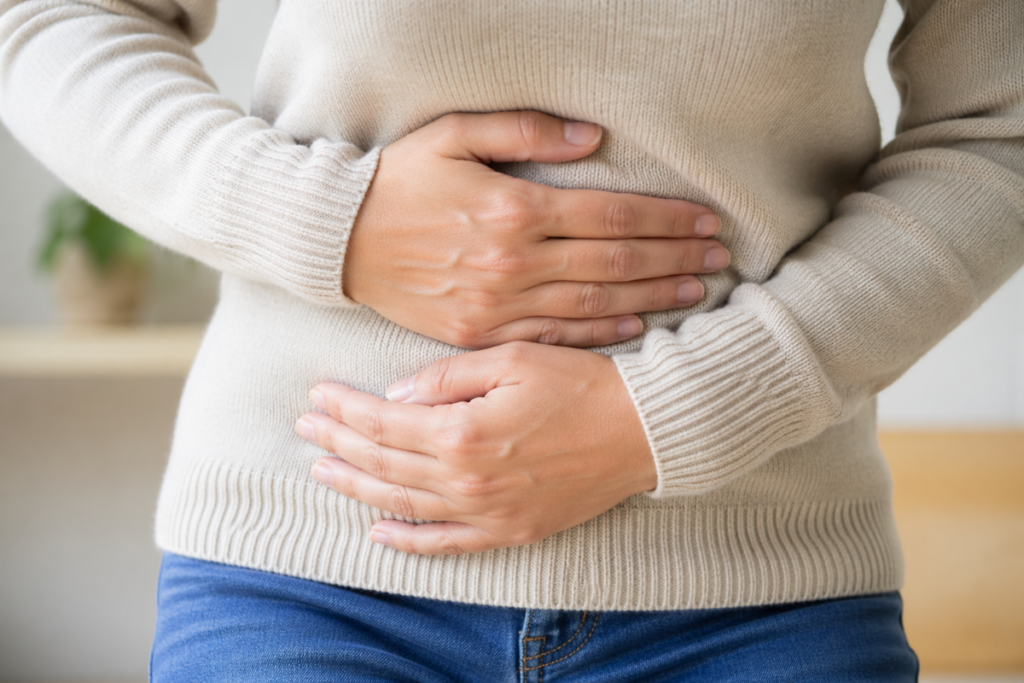
Most people think of stress as something that lives in the mind. A tight deadline, a difficult conversation, or a restless night can all feel like purely mental experiences. Yet beneath the surface, stress is deeply physical. It changes how your heart beats, how your immune system responds, and perhaps most importantly for those exploring a low lectin lifestyle, how your gut behaves.
Your digestive system is not just a passive tube processing food. It is an active, intelligent interface between your body and the outside world. When stress hormones rise, they send signals that can alter digestion, shift microbial balance, and influence the integrity of the intestinal lining itself. This is where the concept of gut permeability becomes especially relevant.
Understanding how stress hormones interact with the gut can help explain why some people follow a careful dietary plan yet still struggle with symptoms. It also reveals why lifestyle adjustments are just as important as food choices when it comes to restoring digestive balance.
What Gut Permeability Really Means
The lining of your small intestine is designed to be selective. It allows nutrients to pass into the bloodstream while keeping larger, potentially harmful compounds out. This barrier is made up of tightly connected cells, often described as being linked by structures called tight junctions. When these junctions function properly, they create a controlled gateway.
Gut permeability refers to how easily substances pass through this lining. In a healthy state, permeability is regulated. In a compromised state, those tight junctions can loosen, allowing particles that should remain in the gut to slip into circulation. This is often referred to as increased intestinal permeability.
For individuals sensitive to lectins, this matters. Lectins are proteins found in many plant foods that can bind to the gut lining. When the barrier is already under stress, the interaction between lectins and the intestinal wall can become more pronounced. This does not mean lectins are universally harmful, but it does mean that context matters. The state of your gut determines how your body responds.
The Role of Stress Hormones in the Body
When the body perceives stress, it activates a system known as the hypothalamic-pituitary-adrenal axis. This leads to the release of stress hormones such as cortisol and adrenaline. These hormones are incredibly useful in short bursts. They prepare the body to respond to immediate challenges by increasing alertness, mobilizing energy, and temporarily shifting resources away from non-essential functions.
Digestion is one of those functions that gets deprioritized. From an evolutionary perspective, this makes sense. If you are facing a threat, your body does not want to spend energy breaking down food. It wants to focus on survival.
The problem arises when stress becomes chronic. Instead of short bursts of hormone release, the body remains in a prolonged state of alert. Cortisol levels stay elevated, and the digestive system never fully returns to a resting, restorative mode. Over time, this can begin to affect the structure and function of the gut lining.
How Stress Alters Gut Function
Chronic stress changes digestion in several ways, and each of these shifts can influence permeability.
First, stress can reduce stomach acid production. Adequate stomach acid is essential for breaking down proteins and neutralizing harmful microbes. When acid levels drop, partially digested food can move into the small intestine, increasing the likelihood of irritation and fermentation.
Second, stress can alter gut motility. Some people experience slowed digestion, while others notice rapid transit. Both extremes can disrupt the balance of the gut microbiome and affect how nutrients are absorbed.
Third, stress influences the immune system within the gut. The intestinal lining is home to a large portion of the body’s immune activity. Chronic stress can lead to a state of low-grade inflammation, which may weaken the tight junctions that regulate permeability.
Finally, stress can directly affect the proteins that maintain those tight junctions. Research suggests that elevated cortisol and inflammatory signaling can cause these junctions to loosen, increasing the likelihood that unwanted particles pass through the gut barrier.
The Microbiome Connection
Your gut microbiome plays a critical role in maintaining the integrity of the intestinal lining. Beneficial bacteria help produce compounds such as short-chain fatty acids, which nourish the cells of the gut and support tight junction function.
Stress can disrupt this microbial balance. It can reduce the diversity of beneficial bacteria and allow less favorable species to become more dominant. This shift can lead to reduced production of protective compounds and an increase in substances that irritate the gut lining.
When the microbiome is out of balance, the gut becomes more vulnerable. The combination of altered bacteria, weakened tight junctions, and ongoing stress signals creates an environment where permeability is more likely to increase.
For someone following a low lectin lifestyle, this connection is important. Even well-prepared foods that are typically tolerated may become problematic if the gut environment is compromised. This is why focusing only on food without addressing stress often leads to incomplete results.
Lectins in a Stressed System
Lectins are a natural part of many foods, especially legumes, grains, and certain vegetables. In a well-functioning digestive system, many lectins are neutralized through proper preparation techniques such as soaking, fermenting, or pressure cooking. The body can often handle small amounts without issue.
However, in a stressed system with increased gut permeability, the interaction between lectins and the gut lining can become more significant. Lectins can bind to the surface of intestinal cells, and in some cases, they may contribute to irritation if the barrier is already weakened.
This does not mean that lectins are the sole cause of gut issues. Instead, they can act as one piece of a larger puzzle. Stress, microbiome imbalance, and dietary factors all interact. When stress hormones are elevated, the threshold for sensitivity may be lower.
Understanding this relationship helps shift the focus from eliminating every potential trigger to supporting the overall resilience of the gut.
The Feedback Loop Between Stress and the Gut
One of the most challenging aspects of stress and gut health is that they influence each other in both directions. Stress can increase gut permeability, but changes in the gut can also affect how the brain perceives stress.
The gut and brain communicate through what is often called the gut-brain axis. This involves neural pathways, hormonal signals, and microbial metabolites. When the gut is inflamed or imbalanced, it can send signals that affect mood, cognition, and stress response.
This creates a feedback loop. Stress weakens the gut barrier, and a compromised gut can heighten feelings of stress or anxiety. Breaking this cycle requires addressing both sides of the equation.
Practical Ways to Support the Gut Under Stress
Supporting gut health in the presence of stress does not require extreme measures. It involves consistent, manageable habits that reinforce the body’s natural rhythms.
Food remains an important foundation. Continuing to prepare lectin-containing foods properly can reduce their impact. Choosing whole, minimally processed foods and including healthy fats can help support the gut lining. Bone broth, slow-cooked meats, and well-cooked vegetables can be especially soothing during periods of stress.
Equally important is how you eat. Eating in a calm environment, chewing thoroughly, and allowing time for meals can signal to the body that it is safe to digest. This simple shift can improve enzyme production and nutrient absorption.
Sleep plays a major role as well. Poor sleep can elevate cortisol levels and disrupt the microbiome. Creating a consistent sleep routine with reduced exposure to artificial light in the evening can help regulate the body’s stress response.
Movement is another key factor. Gentle, regular activity such as walking can support digestion and reduce stress hormones. Intense exercise has its place, but during periods of high stress, the body often benefits more from moderate, consistent movement.
Finally, stress management practices can directly influence gut permeability. Techniques such as deep breathing, mindfulness, or spending time in nature can lower cortisol levels and support the restoration of the gut barrier. These practices do not need to be complicated. Even a few minutes of intentional relaxation can make a difference when done consistently.
Rebuilding Resilience Over Time
The gut is remarkably adaptable. While stress can compromise its function, the body also has a strong capacity for repair. Tight junctions can regain their integrity, the microbiome can rebalance, and digestive function can improve with the right support.
The key is patience and consistency. Quick fixes rarely address the underlying causes of increased permeability. Instead, gradual changes in diet, lifestyle, and stress management create an environment where the gut can heal.
For those following a low lectin lifestyle, this perspective can be empowering. It shifts the focus from restriction to restoration. Rather than viewing certain foods as the sole problem, it recognizes the importance of the internal environment in determining how those foods are experienced.
Bringing It All Together
Stress hormones and gut permeability are deeply interconnected. Chronic stress can weaken the intestinal barrier, alter the microbiome, and increase sensitivity to dietary factors including lectins. At the same time, a compromised gut can amplify stress signals, creating a cycle that is difficult to break.
Addressing this relationship requires a balanced approach. Food preparation and selection matter, but so do sleep, movement, and stress management. Each of these elements supports the others, creating a more stable foundation for digestive health.
When viewed through this lens, the low lectin lifestyle becomes more than a list of foods to avoid or include. It becomes part of a broader strategy for supporting the body as a whole. By calming the stress response and nurturing the gut, you create conditions where resilience can grow, and where food can once again feel like nourishment rather than a source of uncertainty.