BBQ sauce has a way of making a meal feel bigger than the plate in front of you. It turns a simple piece of chicken into something smoky and satisfying, gives roasted vegetables a glossy finish, and makes leftovers feel like they had a second chance at greatness. But for people living a low-lectin lifestyle, traditional BBQ sauce can be tricky. Most bottled versions lean heavily on tomatoes, peppers, corn syrup, seed oils, thickeners, and spice blends that may not fit the way you are trying to eat.
That does not mean BBQ flavor has to leave the table. A lectin-friendly kitchen is not about shrinking your food life down to plain meat and steamed vegetables. It is about rebuilding flavor from ingredients that support your body better. Lectins are plant proteins found in many foods, especially raw legumes, grains, and nightshade plants, and research shows that preparation methods such as soaking, boiling, stewing, and pressure cooking can reduce lectin activity in many foods. Still, some people choose to avoid certain lectin-containing foods altogether, especially when they are troubleshooting digestion or inflammation patterns.
This tomato-free BBQ sauce is built for that middle ground where flavor, comfort, and practicality all meet. It uses naturally sweet ingredients, gentle acidity, warm spices, and a slow simmer to create a sauce that feels familiar without relying on tomatoes or peppers. The result is tangy, smoky, lightly sweet, and rich enough to brush onto grilled chicken, spoon over burgers, stir into shredded meat, or use as a dipping sauce for roasted sweet potatoes.
Why Tomato-Free BBQ Sauce Makes Sense in a Low-Lectin Kitchen
Tomatoes are one of the classic foundations of American-style BBQ sauce, but they are also part of the nightshade family. For many people, cooked and peeled tomatoes may be tolerated, especially when seeds and skins are removed, but others find that nightshades are one of the first categories they need to pause while they calm their digestion. The low-lectin lifestyle is highly personal in that way. One person may do well with pressure-cooked tomato sauce while another feels better avoiding it entirely.
That is why a tomato-free BBQ sauce can be so useful. It gives you a dependable option when you want the taste of BBQ without having to gamble on tomato paste, ketchup, chili powder, paprika, or hot sauce. Many conventional BBQ sauces also include ingredients that may not line up with a cleaner low-lectin pantry, such as corn syrup, soybean oil, modified starches, and preservatives. Even when the label looks simple, the “natural flavors” or spice blends can hide ingredients that sensitive eaters may prefer to avoid.
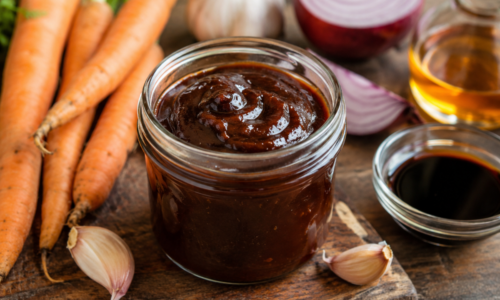
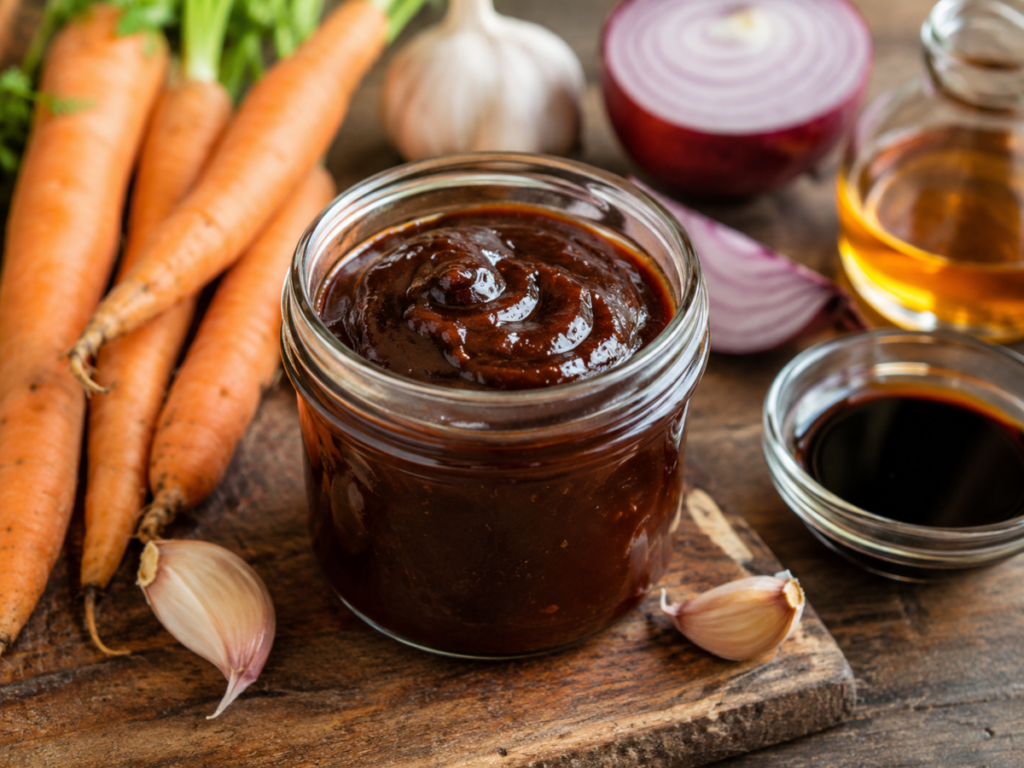
This homemade version takes a different approach. Instead of trying to imitate tomato sauce exactly, it builds BBQ flavor from a base of cooked carrots, red onion, garlic, apple cider vinegar, coconut aminos, and a small amount of unsweetened fruit for body and brightness. The carrots bring mellow sweetness and color. The onion and garlic add savory depth. The vinegar gives that classic BBQ tang. The coconut aminos bring a dark, salty, slightly sweet background that feels almost like a gentle Worcestershire-style note, but without soy.
The key is balance. BBQ sauce should not taste like candy, vinegar, or plain vegetable puree. It should land somewhere between sweet, smoky, tangy, and savory. This recipe gets there by simmering the ingredients until they soften and concentrate, then blending them into a smooth sauce that clings beautifully to food. You can keep it mild, or you can add a little ginger and black pepper for warmth without using nightshade spices.
Building BBQ Flavor Without Tomatoes, Peppers, or Corn Syrup
When you remove tomatoes and peppers, you lose acidity, color, body, and some of the familiar bite people expect from BBQ sauce. The trick is not to replace one ingredient with a fake version of itself. The trick is to replace the job that ingredient was doing. In this sauce, carrots and onion create the body. Apple cider vinegar creates the tang. Coconut aminos create umami. A touch of maple syrup or date syrup creates the sticky sweetness. Smoked salt or a tiny amount of natural liquid smoke creates the backyard BBQ feeling.
That last piece matters. Smokiness is what makes this sauce feel like BBQ rather than a sweet vegetable glaze. If you tolerate it, a few drops of natural liquid smoke can do a lot. Look for a product with simple ingredients, ideally water and smoke condensate, without added caramel color, soy, or preservatives. If you prefer to skip liquid smoke, smoked sea salt is a great alternative. You can also deepen the flavor by letting the sauce simmer a little longer so the onion and carrots become richer and more concentrated.
For sweetness, this recipe keeps things moderate. Many store-bought BBQ sauces are sugar-heavy, which can overpower the meal and make the sauce feel more like a dessert topping. Here, the sweetness is there to round out the vinegar and help the sauce caramelize lightly when brushed on food. Maple syrup works well because it brings a warm flavor that fits BBQ naturally. Date syrup can also work if it fits your personal plan, although it will make the sauce darker and slightly fruitier.
The recipe also avoids chili powder and paprika, even though they are common BBQ ingredients, because both usually come from peppers. Instead, it leans on garlic, onion, ginger, mustard powder if tolerated, black pepper, and smoked salt. Mustard powder is generally not a nightshade, but individual tolerance still matters. If mustard tends to bother you, leave it out and let the vinegar, garlic, and smoke carry the sauce.
Homemade Lectin-Friendly BBQ Sauce Recipe
This sauce is designed to be smooth, flexible, and easy to make in a regular saucepan. It is not intended for shelf-stable canning, so treat it like a fresh homemade condiment and keep it refrigerated. The FDA advises keeping refrigerated foods at 40 degrees Fahrenheit or below, and homemade sauces should be stored in clean, airtight containers for best safety and quality.
Servings: Makes about 2 cups, or 12 to 16 small servings
Prep time: 10 minutes
Cook time: 25 to 30 minutes
Total time: About 40 minutes
Ingredients
- 1 tablespoon extra virgin olive oil or avocado oil
- 1 cup peeled and chopped carrots
- 1/2 cup chopped red onion
- 2 garlic cloves, minced
- 1/2 cup unsweetened apple puree or peeled chopped apple
- 1/3 cup apple cider vinegar
- 1/4 cup coconut aminos
- 2 tablespoons maple syrup or date syrup
- 1 tablespoon lemon juice
- 1 teaspoon smoked sea salt, or 1/2 teaspoon regular sea salt plus 1/4 teaspoon natural liquid smoke
- 1/2 teaspoon ground ginger
- 1/2 teaspoon mustard powder, optional
- 1/4 teaspoon black pepper
- 1/4 to 1/2 cup water, as needed for blending and thinning
Directions
- Warm the oil in a medium saucepan over medium heat. Add the chopped carrots and red onion, then cook for 5 to 7 minutes, stirring often, until the onion begins to soften and the carrots brighten in color. Add the garlic and cook for about 30 seconds, just until fragrant. Do not let the garlic burn, because burnt garlic can make the whole sauce taste bitter.
- Add the apple puree or chopped apple, apple cider vinegar, coconut aminos, maple syrup, lemon juice, smoked salt or liquid smoke, ginger, mustard powder if using, black pepper, and 1/4 cup water. Stir everything together and bring the mixture to a gentle simmer. Lower the heat, cover the pan partially, and let it cook for 20 to 25 minutes, stirring occasionally, until the carrots are very soft.
- Carefully transfer the mixture to a blender, or use an immersion blender directly in the pan. Blend until the sauce is completely smooth. Add extra water a tablespoon at a time until it reaches the consistency you like. For a thicker brushing sauce, keep it dense and glossy. For a dipping sauce or drizzle, thin it slightly.
- Return the blended sauce to the pan and simmer for another 3 to 5 minutes. Taste and adjust gently. Add a little more vinegar for tang, a little more maple syrup for sweetness, or a pinch more smoked salt for depth. Let the sauce cool before transferring it to a clean glass jar.
- Store it in the refrigerator and use it within 4 to 5 days. For longer storage, freeze it in small portions, such as ice cube trays or half-cup containers, so you can thaw only what you need.
How to Use It Without Overthinking Dinner
The best thing about having a sauce like this ready is that it turns simple food into something intentional. Brush it onto grilled chicken during the last few minutes of cooking so the natural sugars do not burn. Spoon it over turkey burgers, lamb patties, or grass-fed beef if those foods fit your plan. Toss it with shredded chicken for a quick BBQ bowl over cauliflower rice, sautéed cabbage, or roasted vegetables.
It also works beautifully as a finishing sauce for roasted sweet potatoes. While sweet potatoes are not nightshades, individual low-lectin plans vary, so use them according to your own tolerance and phase of the lifestyle. A little sauce over crispy roasted wedges can satisfy that classic BBQ side dish craving without relying on ketchup or pepper-heavy seasonings. You can also stir a spoonful into homemade mayo for a creamy BBQ-style dressing.
For a quick low-lectin meal, pair this sauce with pressure-cooked or simply grilled proteins, olive-oil roasted vegetables, and a crisp salad. The sauce brings enough personality that the rest of the plate can stay simple. That is one of the secrets to making a specialized lifestyle sustainable. You do not need every recipe to be complicated. You need a handful of reliable flavor builders that make your regular meals feel less repetitive.
Because this sauce is tomato-free and pepper-free, it is also a good option for families where not everyone is following the same plan. You can put it on the table without making it feel like “special diet food.” That matters emotionally. Food should not always remind you of what you removed. Sometimes it should remind you that you are still allowed to enjoy the meal.
A Sauce That Supports the Lifestyle, Not Just the Recipe
Living low-lectin is easiest when your kitchen has bridges between the old way of eating and the new one. BBQ sauce is one of those bridges. It connects familiar meals with better ingredient choices, giving you a way to keep the comfort without dragging along the ingredients that may not be working for your body right now.
This tomato-free version is not trying to be a perfect copy of bottled BBQ sauce. It is something better for this purpose: a flexible, homemade condiment that respects the low-lectin framework while still tasting smoky, tangy, and satisfying. It lets you control the sweetness, skip the nightshades, avoid hidden additives, and make a sauce that fits your actual life.
The deeper lesson is that low-lectin living does not have to be flavorless or rigid. It can be creative, practical, and surprisingly delicious once you learn how ingredients behave. Carrots can become body. Vinegar can become brightness. Coconut aminos can become savory depth. A tiny bit of smoke can bring back the memory of summer grilling.
Keep a jar in the fridge, use it throughout the week, and let it make simple meals feel finished. Sometimes the difference between feeling restricted and feeling supported is just one good sauce.