High-Pressure Canning Meat and Broths: Best Practices for Long-Term Storage
A well-stocked pantry can make everyday cooking easier, particularly when it contains ingredients that usually require hours of preparation.

The way you prepare food can dramatically change lectin levels, nutrient availability, and digestive comfort. In this category, you’ll learn essential low-lectin cooking techniques like pressure cooking, fermentation, soaking, sprouting, peeling, deseeding, and more. Each method is explained step-by-step so you can apply it confidently at home.
These guides help you transform high-lectin foods into gentler, gut-friendly options and maximize flavor along the way. If you’re looking to build your skills and master the low-lectin kitchen, start here.
A well-stocked pantry can make everyday cooking easier, particularly when it contains ingredients that usually require hours of preparation.
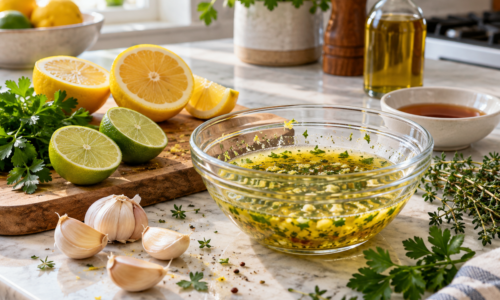
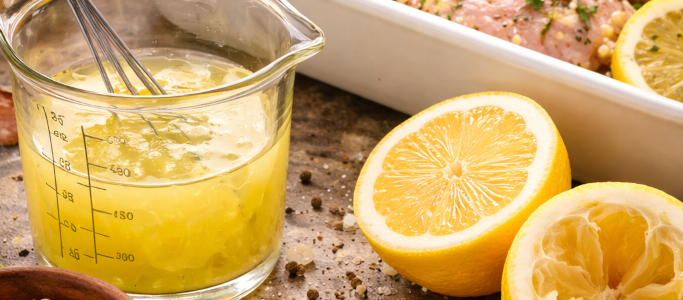
A sharp citrus marinade can visibly change food. Fish turns firmer and more opaque, meat softens at the surface, and vegetables begin to lose some of their raw texture.
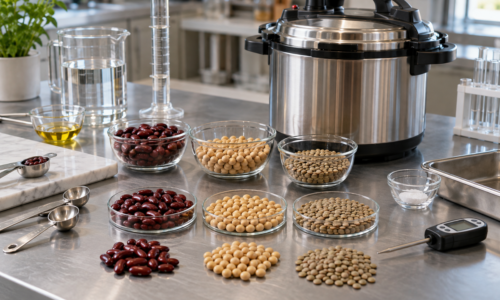
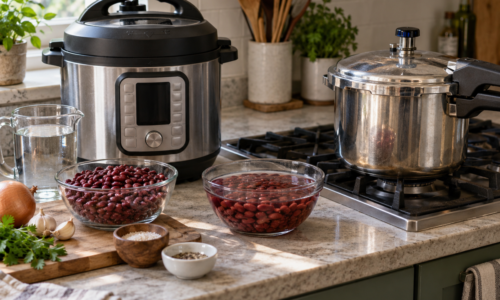
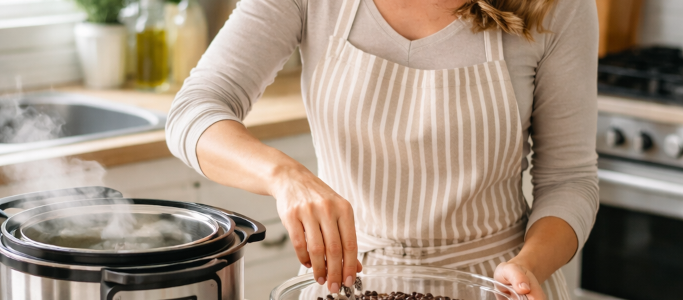
Pressure cooking is often described as a faster way to soften beans, but the more interesting story is what happens to the compounds inside those foods once heat, water, and pressure begin working together.
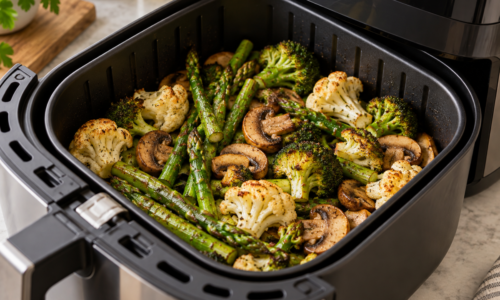
Air fryers have earned a permanent place in many kitchens because they can brown vegetables, crisp proteins, and reheat leftovers with very little added oil.
A low-lectin kitchen often gets discussed in terms of ingredients: which foods to emphasize, which foods to limit, and which preparation methods may reduce lectin exposure.
Pressure cooking has earned a special place in low-lectin kitchens because it combines moisture, heat, and pressure in a way that can sharply reduce the activity of heat-sensitive lectins in foods such as beans.
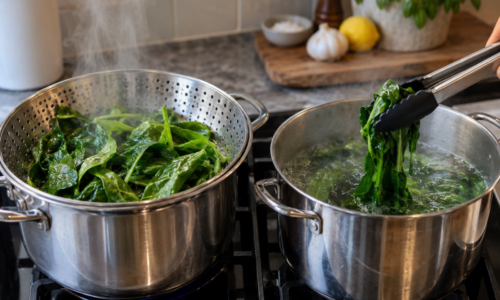
Tender greens can go from crisp and fresh to limp and dull in a matter of minutes, which is why the cooking method matters so much.
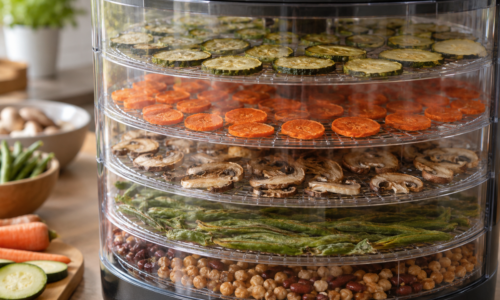
Dehydration can make food lighter, shelf-stable, portable, and intensely flavored, but those benefits come from one basic physical change: water leaves the food.
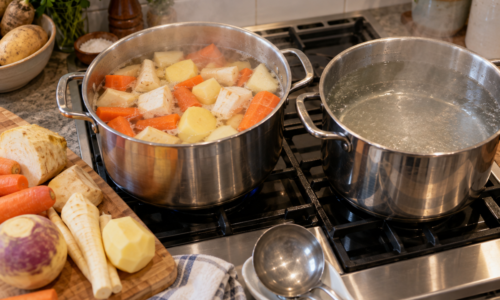
A pot of carrots, parsnips, potatoes, or other root vegetables usually seems simple enough. Add water, simmer until tender, drain, season, and serve.
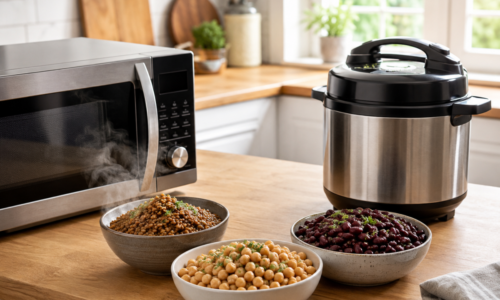
Microwave cooking sits in an awkward place in discussions about lectins. It is fast, convenient, and capable of heating food to temperatures that alter proteins, yet it does not always produce the same result as boiling or pressure cooking.
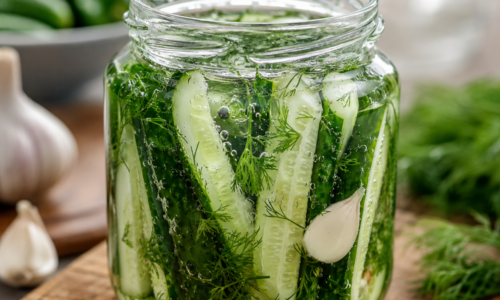
Fermentation feels almost old-fashioned at first. It brings to mind crocks on kitchen counters, jars of pickled vegetables, sourdough starters bubbling quietly, and yogurt setting into something thick and tangy.
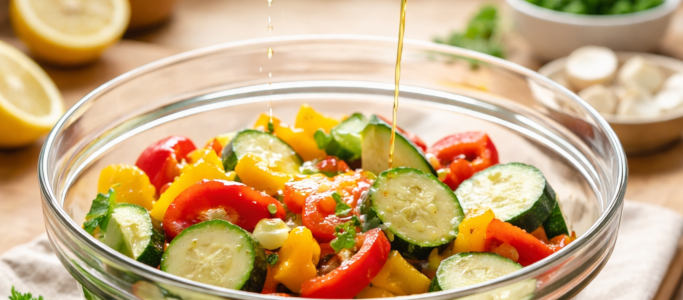
There is a moment in every kitchen where transformation begins. It might look simple on the surface. A splash of lemon juice, a drizzle of vinegar, a handful of herbs stirred into a bowl.
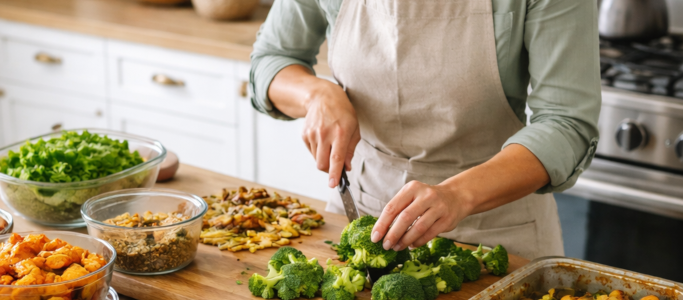
Batch cooking has become one of the most powerful tools for people trying to improve their health through diet. Preparing food in advance saves time, reduces stress around meals, and helps maintain consistency.
When most people begin learning about lectins, they focus on the food itself. Beans. Grains. Nightshades. Seeds. The conversation usually revolves around which foods contain more lectins and which contain fewer.
Proteins are often talked about as if they are static things. A chicken breast is protein. A bean contains protein. Lectins are proteins. Enzymes are proteins.