For many people exploring a low-lectin lifestyle, lentils sit in a complicated place. They are often praised in mainstream nutrition for their fiber, plant protein, and affordability, yet they are also a well-known source of lectins, particularly when prepared in conventional ways. This creates a kind of nutritional tension. You may find yourself missing the comfort and versatility of lentil-based soups while also wanting to protect your gut and reduce lectin exposure.
The good news is that this is not an all-or-nothing situation. With careful preparation, thoughtful sourcing, and the use of pressure cooking, certain forms of lentils can be made far more tolerable for some individuals. Split red lentils, in particular, offer a unique opportunity. Their outer skins have already been removed, which significantly reduces one of the primary concentrations of lectins. When combined with soaking, rinsing, and proper pressure cooking, they can serve as a workable substitute in recipes that would otherwise feel off-limits.
This approach is not about declaring lentils universally safe. It is about understanding how preparation techniques change the biological activity of foods, and how you can use those techniques to make informed, personalized decisions in your own kitchen.
Why Preparation Changes Everything
Lectins are proteins that bind to carbohydrates and can interfere with digestion in sensitive individuals. They are part of a plant’s natural defense system, particularly concentrated in seeds, grains, and legumes. Traditional cultures rarely consumed these foods without extensive preparation methods such as soaking, fermenting, or long cooking. Modern convenience has shortened these processes, and that shift may play a role in why some people experience digestive discomfort.
Split red lentils already have one advantage. Because they are hulled, much of the lectin-rich outer layer has been removed. However, that does not eliminate lectins entirely. The remaining proteins still require proper handling to reduce their activity.
Soaking helps begin this process by hydrating the lentils and allowing some compounds to leach into the water. Rinsing removes surface residues. But the most critical step is pressure cooking. High heat combined with pressure is one of the most effective ways to denature lectins, meaning it alters their structure so they are less likely to bind in the digestive tract.
This is why simply simmering lentils on the stove is not equivalent. A pressure cooker reaches temperatures that standard boiling cannot achieve, and that difference matters. It is the same principle that makes pressure cooking one of the most recommended techniques for reducing lectins in beans and legumes across many dietary approaches.
The Role of Moderation and Context
Even with proper preparation, lentils should not suddenly become a dietary staple if you are sensitive to lectins. Think of them more as an occasional ingredient that allows variety and flexibility. Your overall dietary pattern still matters far more than any single food.
This is where awareness becomes essential. Pay attention to how your body responds. Some people tolerate small portions of properly prepared split red lentils without issue, especially when combined with healthy fats and fiber from other low-lectin vegetables. Others may still notice symptoms and choose to avoid them altogether.
The goal is not rigid restriction but informed experimentation. By controlling preparation methods, you are reducing risk and creating a safer environment to test your own tolerance.
Building a Soup That Works With Your Body
Soup is one of the most forgiving and adaptable formats in cooking. It allows you to layer flavors, incorporate supportive ingredients, and create a meal that feels both nourishing and easy to digest. When working with carefully prepared split red lentils, soup becomes an ideal vehicle.
The key is to surround the lentils with ingredients that align with a low-lectin approach. This includes using well-cooked vegetables, avoiding high-lectin additions like unpeeled nightshades, and incorporating healthy fats that support satiety and nutrient absorption.
Flavor also matters. When lentils are used in smaller amounts, you want each spoonful to feel satisfying. Aromatics like garlic, onion, and herbs can elevate the dish while still keeping it aligned with your goals.
Pressure-Cooked Lentil Substitute Soup Recipe
This recipe is designed to minimize lectin exposure while still delivering the comfort of a classic lentil-style soup. It focuses on careful preparation and balanced ingredients.
Servings: 4 to 6
Ingredients:
1 cup split red lentils
4 cups filtered water for soaking
1 tablespoon extra virgin olive oil
1 small yellow onion, finely chopped
2 cloves garlic, minced
2 medium carrots, peeled and diced
2 celery stalks, diced
1 small zucchini, peeled and chopped
4 cups low-sodium chicken broth or vegetable broth
1 teaspoon dried thyme
1 teaspoon dried oregano
1/2 teaspoon turmeric
Sea salt, to taste
Freshly ground black pepper, to taste
Optional: squeeze of fresh lemon juice before serving
Preparation:
Begin by soaking the split red lentils in filtered water for at least 8 to 12 hours. This step is not optional if you are trying to reduce lectin exposure. After soaking, drain the lentils and rinse them thoroughly under running water until the water runs clear.
Set your pressure cooker to sauté mode and warm the olive oil. Add the chopped onion and cook until it becomes soft and translucent. Stir in the garlic and cook briefly until fragrant. Add the carrots, celery, and zucchini, allowing them to soften slightly and absorb the aromatics.
Add the rinsed lentils to the pot along with the broth, thyme, oregano, and turmeric. Stir everything together and ensure the lentils are fully submerged.
Seal the pressure cooker and cook on high pressure for 10 to 12 minutes. Once cooking is complete, allow a natural pressure release for about 10 minutes before carefully releasing any remaining pressure.
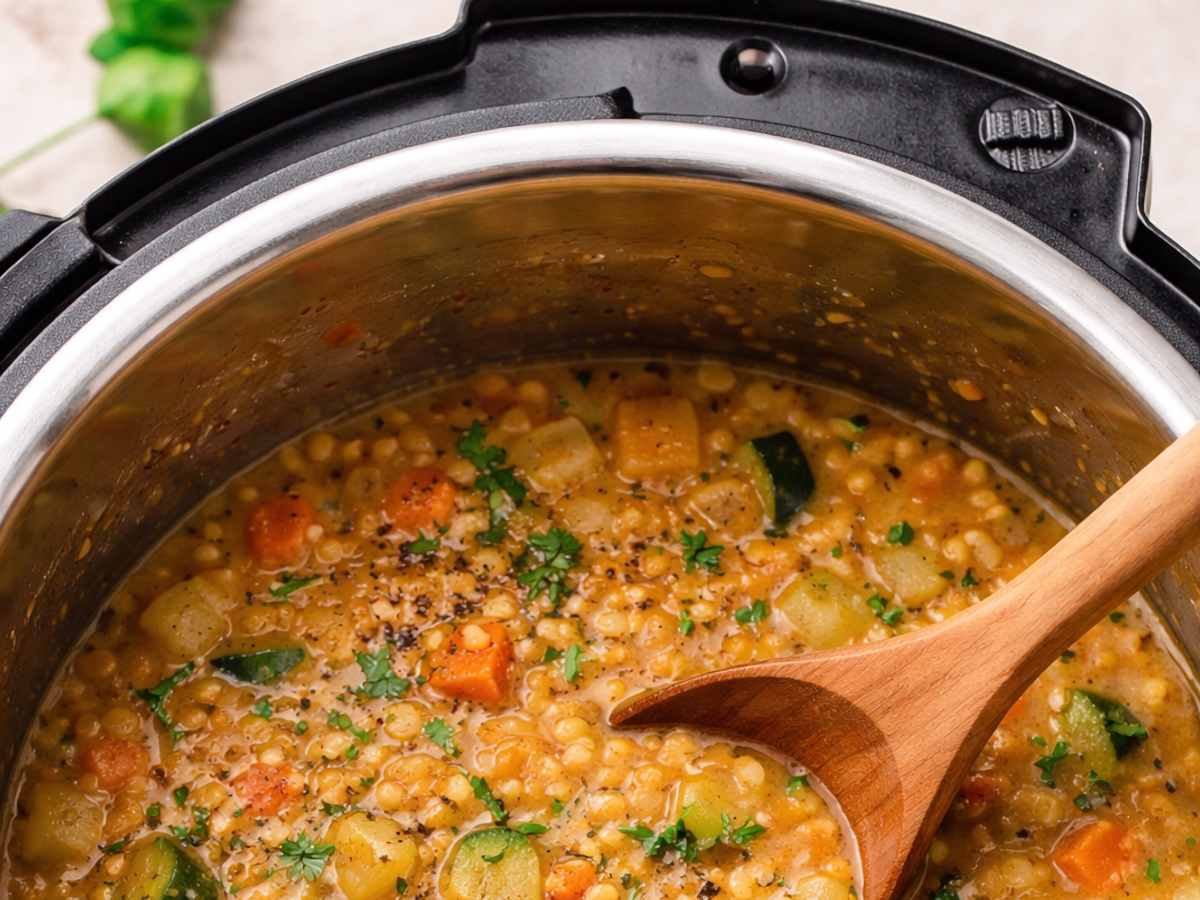
Open the lid and stir the soup. The lentils should be very soft and partially broken down, creating a thick, creamy texture. Season with salt and pepper to taste. If desired, add a squeeze of fresh lemon juice just before serving to brighten the flavors.
Serve warm, ideally with a drizzle of olive oil on top.
What Makes This Soup Different
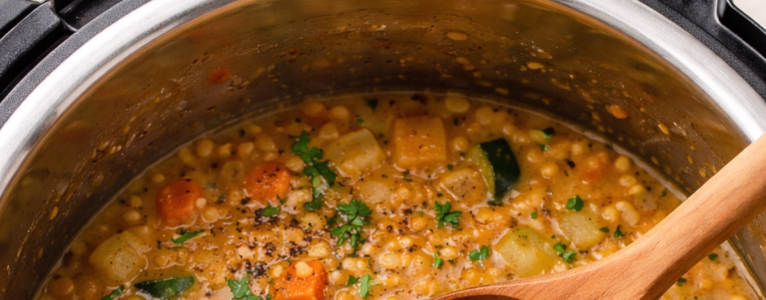
At first glance, this may look like a simple lentil soup, but the difference lies in the details. The soaking process, the choice of split red lentils, and the use of pressure cooking all work together to change how your body interacts with the dish.
The inclusion of peeled vegetables also plays a role. Peeling reduces potential irritants found in skins, particularly for individuals who are already experiencing digestive sensitivity. Cooking the vegetables thoroughly further enhances digestibility, making the soup gentle on the gut.
The use of olive oil is not just for flavor. Healthy fats help slow digestion and support the absorption of fat-soluble nutrients. They also contribute to a more balanced blood sugar response, which can be beneficial for overall metabolic health.
Listening to Your Body After the Meal
One of the most valuable habits you can develop on a low-lectin lifestyle is awareness after eating. Notice how you feel not just immediately, but over the next several hours. Pay attention to digestion, energy levels, and any subtle changes in comfort.
If this soup feels satisfying and easy to digest, it may become a useful addition to your rotation. If you notice discomfort, that is equally valuable information. It simply means your body is asking for a different approach.
There is no universal answer when it comes to lectins. There is only the ongoing process of learning what works for you.
A Flexible Mindset for Long-Term Success
The biggest mistake people make when approaching a low-lectin lifestyle is treating it as a rigid set of rules. In reality, it is a framework that helps you make better decisions based on both science and personal experience.
This soup represents that mindset. It takes a traditionally high-lectin food and applies modern understanding and careful preparation to create something more accessible. It is not perfect, and it is not for everyone, but it is an example of how knowledge can expand your options rather than limit them.
Over time, this flexibility becomes one of your greatest strengths. You begin to see food not as strictly allowed or forbidden, but as something that can be shaped, modified, and understood.
Bringing It Back to Everyday Life
At the end of the day, food is not just about nutrients. It is about comfort, routine, and connection. A warm bowl of soup can represent all of those things, especially when it is made with intention.
By learning how to prepare foods in a way that supports your body, you are not giving anything up. You are refining your approach. You are taking ownership of your health in a practical and sustainable way.
This pressure-cooked lentil substitute soup is just one example, but it points to a larger truth. With the right techniques and a willingness to experiment, you can recreate many familiar foods in a way that aligns with your goals.
And that is where the low-lectin lifestyle becomes not just manageable, but deeply empowering.