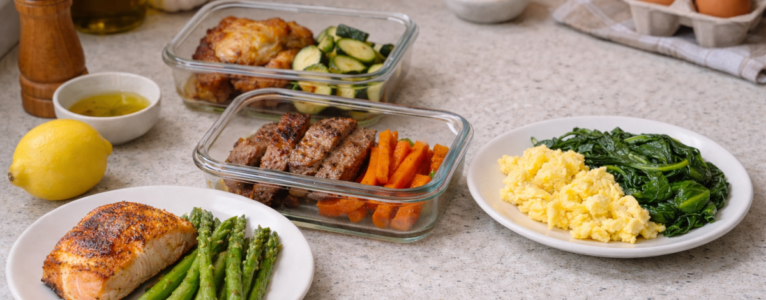

There is a moment that often arrives for people exploring a low lectin lifestyle. It usually comes after the research phase, after the pantry overhaul, and after the realization that food is more complicated than it first appeared. That moment is this: simplicity is not a step backward. It is often the most effective way forward.
In a world filled with complex recipes, layered ingredients, and constant food noise, there is something deeply stabilizing about reducing dinner to its essentials. One protein. One vegetable. Prepared well, thoughtfully, and consistently. This approach is not about restriction. It is about clarity. It allows the body to respond without confusion, the digestive system to work without overload, and the mind to reconnect with what nourishment actually feels like.
For those navigating lectins, this simplicity becomes even more meaningful. Many plant foods contain lectins in varying concentrations, and while preparation methods can reduce their impact, the cumulative effect of multiple ingredients in one meal can still challenge sensitive individuals. By narrowing the focus to a single protein and a single vegetable, you create a controlled environment where cause and effect become easier to understand.
What emerges is not boredom, but a quiet rhythm. A way of eating that feels grounded, repeatable, and surprisingly satisfying.
Why Fewer Ingredients Can Mean Better Digestion
When you combine many ingredients in one meal, especially those that require different digestive pathways, the body has to work harder to break everything down. Proteins require a more acidic environment, while many plant foods rely on enzymes and fermentation in the gut. When too many variables are introduced at once, digestion can become less efficient.
This is where the one protein, one vegetable approach becomes powerful. It reduces the number of competing digestive demands. Instead of juggling five or six different inputs, the body can focus on processing a clean, straightforward combination. For individuals dealing with bloating, fatigue after meals, or general digestive discomfort, this shift can be surprisingly noticeable.
From a lectin perspective, this also reduces cumulative exposure. Even when you are choosing lower lectin foods or properly prepared ingredients, there is still a concept of total load. A single well prepared vegetable alongside a clean protein source allows you to stay within a more manageable range.
There is also a behavioral benefit. Decision fatigue disappears. Instead of wondering what to cook each night, you begin to think in simple pairings. Chicken with zucchini. Salmon with asparagus. Lamb with sautéed spinach. Each meal becomes a variation on a theme rather than a completely new puzzle.
Building a Foundation of Reliable Proteins
At the center of each meal is the protein. This is your anchor. It provides satiety, supports muscle maintenance, and helps stabilize blood sugar. On a low lectin lifestyle, the quality and preparation of that protein matters just as much as the choice itself.
Pasture raised chicken thighs are often a reliable starting point. They are forgiving to cook, rich in flavor, and pair well with a wide range of vegetables. Roasting them with simple herbs like thyme or rosemary creates a consistent, dependable base for dinner. One night you might serve them with roasted zucchini. Another night with peeled and sautéed carrots. The protein remains constant while the vegetable rotates, keeping things fresh without adding complexity.
Wild caught fish, such as salmon or cod, offers a different experience. It cooks quickly, digests easily, and provides beneficial fats that support inflammation balance. A simple pan sear with olive oil and a squeeze of lemon can transform it into a complete meal when paired with a single vegetable like steamed broccoli that has been properly prepared or pressure cooked to reduce lectin content.
Grass fed beef introduces a heartier option. A simple steak, cooked to preference, alongside a well prepared vegetable like peeled and roasted sweet potato creates a meal that feels substantial without being overwhelming. The key is to avoid layering sauces or sides that introduce unnecessary variables. Let the quality of the ingredients carry the meal.
Even eggs can serve as the protein centerpiece for a simple dinner. A soft scramble or a gentle omelet, paired with sautéed greens, can be both comforting and easy on the digestive system. For those who tolerate them well, eggs provide flexibility and speed, making them ideal for evenings when time is limited.
Choosing Vegetables with Intention
If the protein is the anchor, the vegetable is the variable that brings variety and micronutrient diversity. On a low lectin lifestyle, the way vegetables are selected and prepared matters significantly.
Zucchini is often a favorite because of its relatively low lectin content, especially when peeled and cooked. It can be sliced and sautéed, roasted into soft rounds, or even lightly grilled. Its mild flavor makes it an easy companion to almost any protein.
Carrots, when peeled and cooked thoroughly, provide a slightly sweet contrast that pairs beautifully with savory proteins like chicken or beef. Roasting them brings out their natural sugars, creating a sense of indulgence without adding complexity.
Leafy greens such as spinach or Swiss chard can be gently sautéed in olive oil until tender. Cooking reduces potential irritants and makes them easier to digest. These greens pair especially well with lighter proteins like fish or eggs, creating meals that feel clean and balanced.
For those who tolerate them, cruciferous vegetables like broccoli or cauliflower can be included when properly prepared. Pressure cooking or thorough steaming helps break down compounds that might otherwise cause discomfort. A simple serving of steamed cauliflower alongside roasted chicken can feel both nourishing and uncomplicated.
The key is not to rotate through every vegetable in a single meal, but to rotate across days. This creates diversity over time without overwhelming the system in any one sitting.
A Week of Simple Pairings That Actually Work
What begins to emerge with this approach is a natural rhythm that can carry you through the week without stress. Instead of planning elaborate meals, you start to think in combinations.
On one evening, you might prepare roasted chicken thighs with sautéed zucchini. The next night, a pan seared salmon with steamed asparagus. Then perhaps a grass fed steak with roasted carrots. Each meal feels distinct, yet the structure remains consistent.
As the week continues, you can revisit similar proteins with different vegetables. Chicken returns, but this time paired with sautéed spinach. Fish appears again, now alongside peeled and roasted sweet potato. Eggs make an appearance on a quieter evening, served with gently cooked greens.
What is interesting is how this repetition does not feel repetitive. Because the body responds well to the simplicity, there is a sense of ease that replaces the need for constant novelty. The meals become familiar in a comforting way, while still offering enough variation to keep things interesting.
This approach also makes it easier to identify what works for you personally. If a particular vegetable consistently leaves you feeling off, it becomes clear without the noise of multiple ingredients masking the effect. Over time, your personal meal plan refines itself.
The Role of Cooking Methods in Reducing Lectin Impact
While ingredient selection is important, preparation is where much of the lectin conversation truly lives. Cooking methods can significantly alter how the body responds to certain foods.
Roasting is one of the simplest and most effective techniques. It applies consistent heat, breaks down plant structures, and enhances flavor without requiring additional ingredients. A tray of peeled vegetables tossed in olive oil and roasted until tender can transform a basic pairing into something deeply satisfying.
Sautéing offers speed and control. Using a moderate heat and a stable fat like olive oil allows vegetables to soften while preserving their structure. This method works well for greens and softer vegetables that do not require long cooking times.
Pressure cooking is particularly valuable for foods that might otherwise be problematic. It uses heat and pressure to break down lectins more effectively than standard cooking methods. While not every vegetable requires this level of preparation, having it as an option expands what is possible within a low lectin framework.
Even simple steaming can be beneficial when done thoroughly. The goal is always the same. Reduce potential irritants, improve digestibility, and allow the body to process the meal with minimal resistance.
Finding Satisfaction Without Complexity
One of the most common concerns when people first consider simplifying their meals is whether they will feel satisfied. There is a belief that satisfaction comes from variety, from layers of flavor, from abundance on the plate.
In reality, satisfaction often comes from how the body feels after eating. A meal that digests well, provides steady energy, and does not lead to discomfort creates a deeper sense of fulfillment than one that is exciting in the moment but taxing afterward.
That said, simplicity does not mean blandness. Small details matter. A squeeze of lemon over fish, a sprinkle of sea salt on roasted vegetables, or the use of fresh herbs can elevate a meal without complicating it. These touches enhance rather than overwhelm.
Over time, your palate adjusts. You begin to appreciate the natural flavor of well prepared food. The sweetness of a roasted carrot, the richness of a properly cooked chicken thigh, the clean taste of fresh greens. These become the highlights rather than background notes.
A Sustainable Path Forward
What makes the one protein, one vegetable approach so powerful is not just its immediate benefits, but its sustainability. It removes barriers. It reduces the mental load of planning. It creates a structure that can adapt to different seasons, preferences, and lifestyles.
For someone just beginning a low lectin journey, it provides a clear starting point. For someone further along, it offers a way to reset and recalibrate when things feel off. It is flexible enough to evolve, yet stable enough to rely on.
This way of eating also integrates easily into real life. Busy evenings, limited ingredients, or a lack of time no longer feel like obstacles. With a few reliable proteins and a rotating selection of vegetables, dinner becomes manageable again.
In the end, the goal is not perfection. It is consistency. It is creating a pattern that supports your body day after day without requiring constant effort. In that sense, simplicity is not just a strategy. It is a form of support that you can return to whenever you need it.
And sometimes, that is exactly what the body has been asking for all along.