Brownies have a way of making people feel like they have stepped outside the boundaries of a careful eating plan. For anyone living low-lectin, that feeling can be even stronger, because traditional brownies usually lean on wheat flour, refined sugar, seed oils, and sometimes dairy-heavy additions that do not always sit well with sensitive digestion. But dessert does not have to be a reckless detour. Sometimes, it can be a thoughtful recipe built around better ingredients, gentler substitutions, and a more realistic view of what sustainable eating actually looks like.
That is where blanched almond flour brownies earn their place. Blanched almond flour is made from almonds with the skins removed, which matters in a low-lectin kitchen because many almond lectins are associated with the skin rather than the inner nut. Almond flour also brings natural richness, moisture, and structure, which makes it especially useful in gluten-free baking. The Almond Board notes that almond flour naturally holds moisture and contains its own oil, meaning recipes often need less added fat than traditional flour-based baking.
Dark chocolate also changes the story. Using chocolate that is 70 percent cocoa or higher keeps the brownie deeply flavored while reducing the need for excessive sugar. Cocoa polyphenols have been studied for their interaction with gut microbes, and research suggests cocoa compounds may influence the gut environment in ways that are still being explored. This does not make brownies a health food, and we should not pretend it does. But it does mean a carefully made brownie can be more than just empty sweetness.
Why These Brownies Fit a Low-Lectin Lifestyle
The key to making this recipe work is not only what goes in, but what stays out. Traditional wheat flour is replaced with blanched almond flour, which gives the brownie a tender crumb without gluten or grain-based lectin concerns. The word “blanched” is important here. It means the almond skins have been removed, which makes the flour smoother, lighter in color, and generally better aligned with low-lectin baking.
Avocado oil is another quiet hero in this recipe. It has a neutral flavor, so it does not fight the chocolate, and it works well in baking because it can handle oven temperatures comfortably. It is also rich in monounsaturated fats, the same broad category of fat that helps make olive oil and avocado-based foods popular in heart-conscious cooking. Because almond flour already contains natural fat, the recipe does not need a heavy pour of oil to feel moist.
The chocolate should be chosen carefully. Look for 70 percent or higher dark chocolate with minimal ingredients. Ideally, it should contain cocoa mass, cocoa butter, and a modest amount of sweetener. Avoid bars loaded with soy lecithin, dairy fillers, corn syrups, or vague “natural flavors” if those ingredients do not fit your personal plan. Higher cocoa chocolate tastes more intense, which lets a smaller amount carry the whole pan.
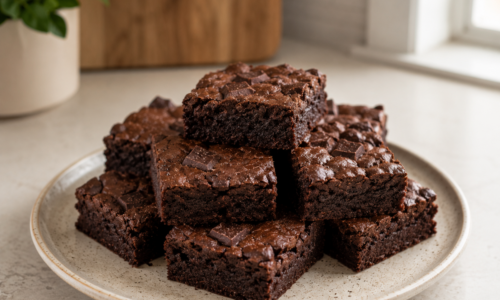
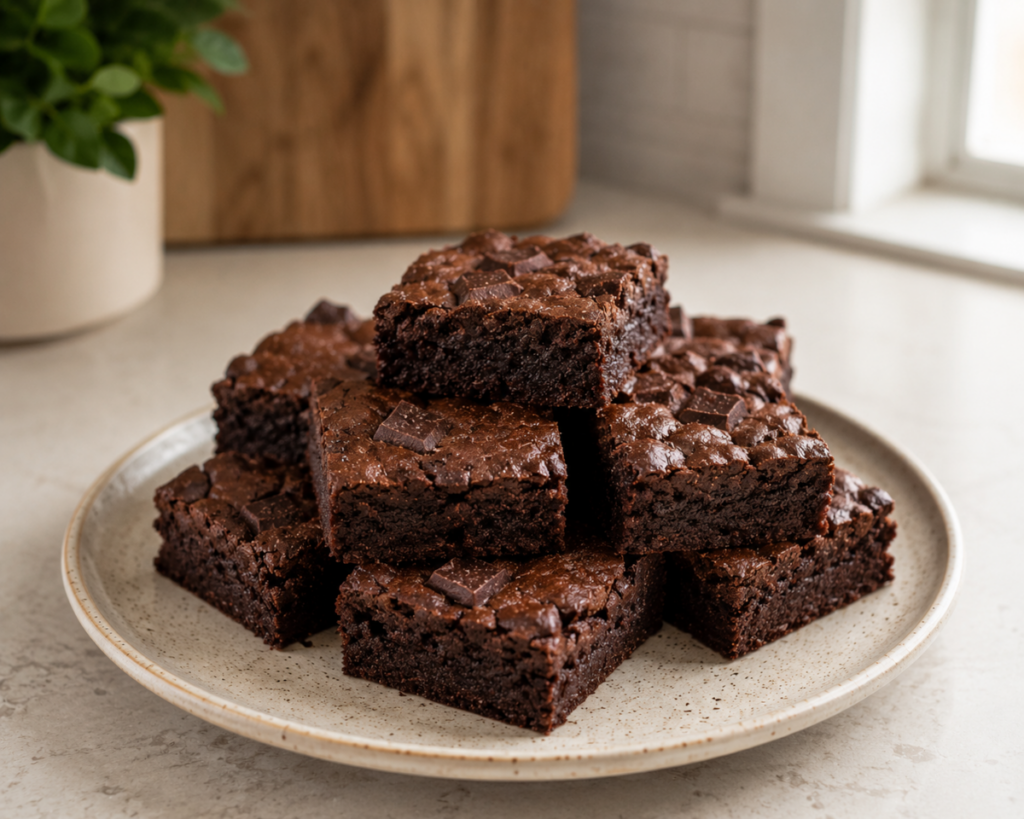
These brownies are dense, fudgy, and deeply chocolate-forward. They are not trying to imitate boxed brownies exactly, and that is a good thing. They offer the familiar comfort of dessert while using ingredients that make more sense for people trying to avoid common lectin-heavy staples.
Blanched Almond Flour Dark Chocolate Brownies
Servings: 9 brownies
Prep time: 12 minutes
Cook time: 22 to 26 minutes
Ingredients
- 1 cup blanched almond flour
- 1/3 cup unsweetened cocoa powder
- 1/2 teaspoon baking powder
- 1/4 teaspoon fine sea salt
- 2 large eggs, room temperature
- 1/2 cup coconut sugar or approved sweetener of choice
- 1/4 cup avocado oil
- 1 teaspoon vanilla extract
- 3 ounces 70 percent or higher dark chocolate, melted and slightly cooled
- 1/4 cup chopped 70 percent or higher dark chocolate, optional for texture
Instructions
- Preheat the oven to 350°F. Line an 8-inch square baking pan with parchment paper, leaving enough overhang to lift the brownies out after baking. Lightly grease the parchment with a small amount of avocado oil.
- In a medium bowl, whisk together the blanched almond flour, cocoa powder, baking powder, and sea salt. In a separate bowl, whisk the eggs with the coconut sugar until the mixture looks smooth and slightly glossy. Add the avocado oil, vanilla extract, and melted dark chocolate, then whisk until fully combined.
- Fold the dry ingredients into the wet ingredients until no dry patches remain. The batter will be thicker than traditional boxed brownie batter, but it should still spread easily. If using chopped dark chocolate, fold it in gently.
- Spread the batter evenly into the prepared pan. Bake for 22 to 26 minutes, or until the edges are set and the center looks slightly soft but not wet. A toothpick should come out with moist crumbs, not raw batter.
- Let the brownies cool in the pan for at least 25 minutes before slicing. For cleaner cuts and a fudgier texture, chill them for one hour before serving.
How to Enjoy Them Without Turning Dessert Into a Setback
The best low-lectin desserts are not built around denial. They are built around rhythm. A brownie like this works best after a balanced meal rather than on an empty stomach, especially for people who are sensitive to sugar swings or digestive changes. Pairing dessert with protein, fiber, and healthy fats from the meal can make the experience feel steadier and more satisfying.
Portion size still matters. Almond flour is nutrient-dense and filling, but it is also calorie-dense because almonds naturally contain fat. That richness is part of what makes the recipe work, but it also means one small square can feel surprisingly satisfying. This is the kind of dessert that rewards slowing down, not grabbing three pieces while standing at the counter.
For people in a tracking phase, these brownies can also become useful data. If someone is using a food journal, they can note the chocolate percentage, sweetener used, serving size, and how they felt afterward. That turns dessert from a mystery into information. Over time, some people may discover they tolerate 85 percent dark chocolate better than 70 percent, or that they prefer a smaller serving with tea after dinner.
The larger lesson is that low-lectin living does not need to feel joyless. It asks for discernment, not punishment. A pan of blanched almond flour brownies can be part of that balance when the ingredients are chosen carefully and the serving fits the person’s body, goals, and tolerance.
A Better Brownie for Real Life
These brownies are not about pretending dessert is medicine. They are about making a familiar comfort food more compatible with a low-lectin kitchen. Blanched almond flour provides structure and richness without wheat. Dark chocolate brings depth, intensity, and cocoa compounds that researchers continue to study for their relationship with the gut microbiome. Avocado oil keeps the texture soft without relying on inflammatory seed oils.
Most importantly, this recipe supports the part of wellness that often gets ignored: sustainability. People are more likely to stick with a lifestyle when it leaves room for pleasure, celebration, and the occasional square of something chocolatey. A low-lectin plan should help life feel calmer and more manageable, not smaller.
So yes, brownies can still belong here. They just need a smarter foundation, a little ingredient awareness, and enough respect for the body to enjoy them mindfully. That is the sweet spot, both literally and practically.