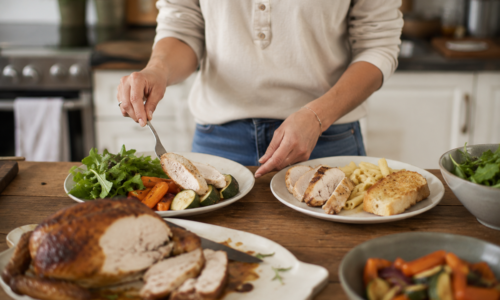
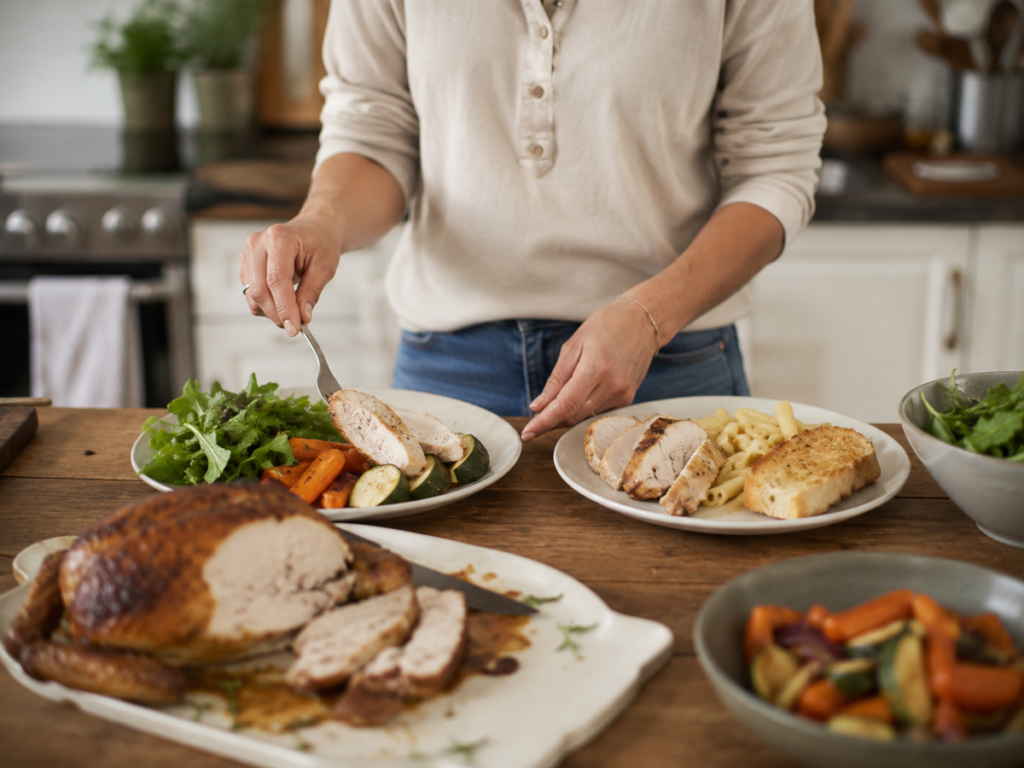
Being the only low-lectin eater in a family can feel awkward at first. Not because the food is impossible. Not because the plan is too complicated. The hard part is the kitchen politics. One person wants pasta. Someone else wants tacos. The kids want snacks that come in loud bags. Your spouse may be supportive, but not exactly thrilled about giving up tomatoes, beans, peppers, wheat, or potatoes just because your body reacts badly to them.
That is real life. Most families do not change their entire food culture overnight, and honestly, they do not always need to. The goal is not to turn dinner into a lecture. The goal is to build meals that let you stay consistent without making everyone else feel like they have been drafted into your food experiment. A low-lectin lifestyle works best when it can live inside a normal household. That means flexibility, smart prep, and a few repeatable meal patterns that save your sanity.
The biggest mistake many people make is treating low-lectin eating like a completely separate menu. That creates double cooking, extra cleanup, and resentment. You end up making one dinner for them and one dinner for yourself, which sounds fine for two nights and exhausting by Thursday.
A better strategy is to build a shared meal base, then split the finishing touches. Protein, greens, herbs, oils, roasted vegetables, soups, and simple sides can often serve the whole family. The higher-lectin foods can be added separately for people who want them.
Think of it like a dinner framework. Everyone eats the same main protein. Everyone has access to the same greens or vegetables. Then the family can add rice, bread, regular pasta, tortillas, beans, salsa, or potatoes on the side. Your plate stays low-lectin. Their plate feels familiar.
This works because most family conflict around food is not about every ingredient. It is about comfort, habit, and the feeling of choice. If the rest of the family can still build a plate that feels normal to them, they are less likely to push back against what you are doing.
Make Protein the Anchor
Protein is the easiest shared starting point. Chicken, turkey, wild-caught fish, grass-fed beef, lamb, pasture-raised eggs, and other tolerated proteins can become the center of many meals without announcing themselves as “special diet food.” A roast chicken does not look strange. Burgers without the bun do not scare anyone. Salmon with herbs and lemon feels like dinner, not restriction.
Once the protein is handled, the rest becomes easier. You can eat yours with greens, avocado, olive oil, pressure-cooked approved vegetables, or a simple salad. The family can add whatever side fits their preferences. This keeps the meal from splitting into two full productions.
Batch-cooked protein is especially helpful. Cook extra chicken thighs, turkey patties, meatballs made without bread crumbs, or shredded beef early in the week. Then use the leftovers in different ways. One night it becomes a salad bowl. Another night it becomes lettuce wraps. Another night it goes beside roasted vegetables while the family uses it in sandwiches, tacos, or grain bowls.
The protein-first method also helps keep low-lectin eating from turning into snacky grazing. A lot of people struggle when they remove familiar staples but do not replace them with enough real food. Hunger makes any plan harder. A solid protein base keeps meals satisfying.
Use “Add-On” Sides for the Rest of the Family
A family does not need to eat exactly like you for your plan to work. Side dishes can do the social heavy lifting. If your family loves pasta, make your sauce or protein separately, then serve regular pasta for them and a low-lectin base for you. If they want tacos, set out tortillas for them and lettuce cups or a salad bowl for yourself.
This is where add-on sides shine. Rice, bread, beans, corn tortillas, potatoes, tomato salsa, standard pasta, and other family favorites can stay separate from the core meal. That way, you are not picking beans out of soup or scraping sauce off chicken. Separation matters. The rule is simple. Shared foods stay low-lectin or low-lectin friendly. Higher-lectin foods are optional toppings or sides. This one shift makes the whole kitchen calmer.
For example, taco night can become seasoned turkey or beef, shredded lettuce, avocado, compliant herbs, and a mild olive oil dressing for you. The family can add tortillas, cheese, beans, tomatoes, or peppers. Burger night can become patties, greens, mushrooms, onions if tolerated, and avocado for you. Everyone else gets buns and fries. Pasta night can become meat sauce served over sautéed greens or approved noodles for you, while the rest of the family gets wheat pasta. Nobody feels punished. Nobody has to eat your exact plate. You are not stuck cooking from scratch twice.
Keep One Safe Sauce Ready
Sauces make or break family meal planning. Dry chicken with plain greens gets old fast. A good sauce turns basic food into something you actually want to eat, and it can often appeal to the whole family too.
Keep at least one low-lectin sauce in the fridge each week. Good options include basil pesto without cashews, olive oil herb dressing, lemon garlic dressing, tahini sauce if tolerated, avocado herb sauce, or a simple blended sauce made from olive oil, herbs, lemon, and salt. These can go over proteins, vegetables, salads, lettuce wraps, and leftover bowls.
The family can use the same sauce if they like it, or they can use their own condiments. The key is having your safe flavor ready before hunger hits. Low-lectin eating fails fast when every meal requires inventing flavor from zero.
Be careful with store-bought sauces. Many contain soybean oil, gums, added sugar, tomato paste, pepper extracts, legumes, or vague “spices” that may not sit well with sensitive people. Homemade does not need to be fancy. It just needs to be dependable.
Plan Meals in Components
Family meal planning becomes easier when you stop thinking in full recipes and start thinking in components. A component is one piece of a meal that can be mixed and matched. Protein is one component. Greens are one component. Sauce is one component. Family starches are another.
This style gives you options without chaos. On Sunday, you might prep chicken, burger patties, washed greens, roasted broccoli, cauliflower rice, avocado dressing, and a pot of regular rice for the family. From that, everyone can build different meals without much extra work.
A low-lectin plate might look like chicken over greens with avocado dressing and roasted broccoli. A family plate might be chicken with rice and a side salad. The next day, you might have burger patties with sautéed greens while the kids have burgers on buns. Same prep, different finish.
This also helps with picky eaters. Kids often resist mixed dishes because they cannot control what is in them. Component meals let them choose from the parts. You still decide what foods are available, but they get some control over the final plate. That lowers drama.
Protect Your Staples
If you are the only one eating low-lectin, your safe staples need to be protected. That does not mean hidden away like treasure, although no judgment if the good olive oil needs its own secret shelf. It means you should know which foods are yours, which foods are shared, and which foods are not worth running out of.
Your staples might include pasture-raised eggs, compliant nuts, olive oil, avocados, wild-caught fish, greens, herbs, coconut yogurt, approved flours, pressure-cooked vegetables, or certain frozen items. These foods are your fallback system. Without them, you are more likely to grab whatever everyone else is eating.
Labeling helps. A small bin in the fridge for your low-lectin items can prevent accidental use. A pantry basket can do the same. This is not about being rigid. It is about removing friction. Family members are less likely to finish your safe crackers, expensive nuts, or special wraps if they know those items serve a specific purpose.
It also helps to keep some family snacks separate from your everyday line of sight. You do not need to turn your kitchen into a museum of temptation. Put the foods you are trying to avoid in one cabinet and keep your own foods easy to reach.
Cook Once, Finish Twice
“Cook once, finish twice” is one of the best rules for mixed-diet families. The first stage of cooking stays simple and shared. The second stage customizes the meal. For example, cook plain grilled chicken with salt, garlic, and herbs. After cooking, your portion can be dressed with olive oil and lemon. The family’s portion can be tossed with barbecue sauce, teriyaki sauce, tomato sauce, or whatever they enjoy. The shared cooking stays clean. The final flavor changes by plate.
This works for ground meat too. Cook a large batch with basic seasonings. Pull out your portion before adding taco seasoning blends, tomato-based sauces, beans, or other ingredients you avoid. It also works with soups. Start with broth, protein, herbs, and low-lectin vegetables. Then keep noodles, rice, beans, or crackers as separate add-ins for everyone else.
This method prevents the common problem of “contaminated leftovers.” If the whole pot of chili is full of tomatoes and beans, you cannot eat it. If the meat and broth are kept simple, you can build your own bowl and they can build theirs.
Be Honest Without Preaching
Family members may not understand why you eat this way. Some may be curious. Some may be skeptical. Some may be quietly waiting for you to quit. That does not mean you need to argue at dinner. A calm explanation works better than a nutrition speech. You can say, “I feel better when I avoid certain foods, so I’m keeping my plate a little different.” That is enough. You do not need to defend every ingredient choice unless someone is genuinely asking in good faith.
People respond better to results than arguments. If your headaches, digestion, joint discomfort, energy, or other issues improve, your consistency will speak louder than a debate about lectins at the table. Food changes are personal. Your family does not need to agree with every detail to respect your needs.
This matters even more with children. Kids do not need to hear that common foods are “bad.” That can create fear and confusion. A better message is, “Different bodies feel better with different foods.” That keeps the household tone healthier.
Avoid the “All or Nothing” Trap
Many people try to make the whole family low-lectin because they think it will be easier. Sometimes it is. If everyone is willing, great. But forcing the entire household into a sudden food shift can backfire badly. Resistance builds. Complaints pile up. Then you may abandon your own plan because the home environment feels tense.
A mixed approach is often more realistic. You can keep your plate consistent while allowing others to keep familiar foods. Over time, the family may naturally eat more of your meals because the food tastes good. That is the best kind of influence. Quiet and steady. There is no prize for making everyone eat exactly the same dinner. The prize is your body feeling better while your home life stays peaceful.
Build a Few Repeatable Family Meals
The most useful meal plan is not the most creative one. It is the one you can repeat when everyone is tired. Families need default dinners. A strong weekly rotation might include burger bowls, taco plates, roasted chicken night, breakfast-for-dinner, salmon with vegetables, soup night, and leftover bowls. Each can be built with a low-lectin version for you and a familiar version for everyone else.
Burger bowls are easy. You eat the patty over greens with avocado, sautéed mushrooms, onion if tolerated, and olive oil dressing. The family adds buns, cheese, fries, or ketchup. Taco plates work the same way. You eat seasoned meat over lettuce with avocado and herbs. They use shells, beans, rice, salsa, or cheese.
Breakfast-for-dinner can be pasture-raised eggs with greens and avocado for you, with toast or potatoes for the family. Soup night can start low-lectin, then allow noodles or rice at the table. Leftover bowls are the rescue plan. Everyone builds from whatever cooked protein, vegetables, greens, and sides are available. Repeat meals are not boring. They are stable. Stability is what gets you through real weeks.
Shop With Two Lists
A single grocery list can get messy in a mixed-diet household. Try using two sections. One is the shared foundation. The other is family add-ons. The shared foundation includes proteins, greens, herbs, olive oil, compliant vegetables, eggs, avocados, and other foods that support your plan. The family add-ons include the foods they use to round out their meals, such as bread, pasta, rice, potatoes, tortillas, or snacks.
This keeps shopping clear. It also helps you see whether the cart is drifting too far toward convenience foods while your own staples are missing. Your low-lectin foods should not be treated like optional extras. They are the structure that keeps your week working.
Frozen foods can help. Frozen broccoli, cauliflower rice, spinach, wild-caught fish, and cooked proteins can save dinner when fresh plans fall apart. A low-lectin lifestyle becomes much easier when the freezer has your back.
Handle Cross-Contact Without Obsessing
For people with serious allergies or diagnosed celiac disease, cross-contact has strict medical meaning. Low-lectin eating is different for most people. Still, some sensitive individuals react when foods are mixed, cooked together, or handled carelessly.
Use common sense. Keep your portion separate before adding higher-lectin ingredients. Use clean spoons for sauces. Do not stir your vegetables with the same utensil used in a pot of tomato sauce if you know tomatoes bother you. Store leftovers clearly.
You do not need to turn dinner into a sterile lab. You just need enough separation to protect your progress. The more sensitive you are, the more careful you may need to be. Personal tolerance matters.
Prepare for the Nights You Do Not Want to Cook
Every family has nights where the plan collapses. Someone has practice. Someone works late. Someone forgot to thaw the chicken. These are the moments that test your low-lectin routine.
Keep emergency meals ready. A few cans of wild-caught fish, cooked chicken, hard-boiled eggs, frozen vegetables, washed greens, avocados, olive oil, compliant soup, or leftover burger patties can prevent a bad food spiral. Your emergency meal does not need to impress anyone. It needs to keep you from eating something that makes you feel awful.
The family can order pizza if that is the night they are having. You can eat your safe plate and stay out of the crash cycle. That may sound separate, but it is sometimes the healthiest kind of separate. You are not depriving yourself. You are protecting tomorrow.
Let Your Plate Be Normal
The emotional side of mixed eating is underrated. Nobody wants to feel like the odd one at their own dinner table. The more you can make your plate look abundant, colorful, and satisfying, the less deprived you will feel.
Do not build sad little plates. Add healthy fats. Use herbs. Add crunch from tolerated nuts or vegetables. Use good salt. Make the food smell good. A low-lectin plate should not look like punishment. It should look like a meal an adult chose on purpose.
That matters because consistency is easier when your food feels worthy of the table. If your family sees your plate as vibrant and satisfying, they may stop treating your diet like a restriction and start seeing it as just the way you eat.
Give the Household Time to Adjust
Family systems change slowly. The first week may feel clunky. The second week gets easier. By the fourth week, people often stop commenting because the new rhythm becomes familiar.
Keep the focus on repeatable systems. Shared protein. Separate add-ons. Safe sauces. Protected staples. Emergency meals. Clean separation where needed. These simple habits do more than any perfect meal plan printed on a calendar.
Your family does not have to become low-lectin for you to succeed. They need a dinner rhythm that gives everyone enough of what they need without turning every meal into a negotiation.