WGA (Wheat Germ Agglutinin): What Makes Grain Lectins Uniquely Problematic
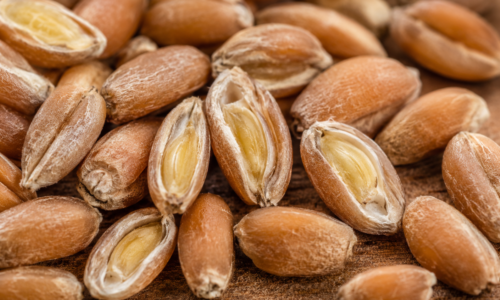
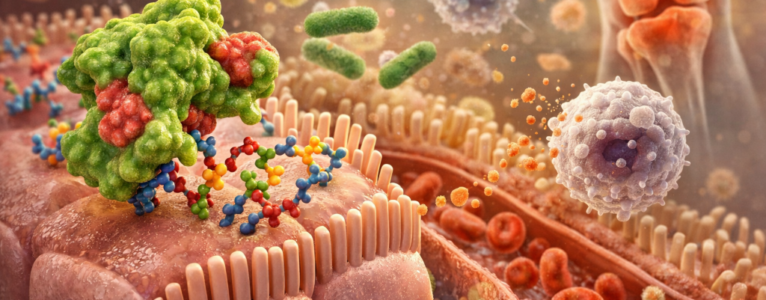
Wheat attracts attention in low-lectin eating for several reasons, and wheat germ agglutinin, usually shortened to WGA, is one of the least familiar.
Understanding what lectins are and how they interact with the body is the foundation of a low-lectin lifestyle. This category covers the essential science behind lectins, how they influence digestion and inflammation, and why certain foods may cause discomfort for sensitive individuals. You’ll find clear explanations, beginner-friendly guides, and practical insights to help you make informed decisions.
Whether you’re new to the concept or refining your understanding, these articles break down complex topics into simple, actionable information. Start here if you want to truly understand the “why” behind living low-lectin.
Wheat attracts attention in low-lectin eating for several reasons, and wheat germ agglutinin, usually shortened to WGA, is one of the least familiar.
There is a certain kind of fatigue that can come from trying to eat “correctly.” At first, measuring portions, tracking symptoms, checking ingredients, and weighing every choice can feel empowering.
When people begin researching lectins, they often encounter bold claims backed by dramatic laboratory findings. A rat develops intestinal damage after being fed a purified plant protein.
When most people hear the word lectin, they think about food lists. Beans. Grains. Nightshades. Seeds. Maybe they think about pressure cookers, soaking methods, or the debate over whether lectins are misunderstood or dangerous.
When most people first encounter the word lectin, they encounter it in extremes. Lectins are either portrayed as dangerous plant toxins that must be eliminated completely, or as harmless plant proteins that critics have unfairly demonized.
When people first hear about lectins, they are usually introduced to them as dietary troublemakers. Lectins are often described as plant proteins that irritate the gut, disrupt digestion, or trigger inflammation.
For many people exploring lectins and their impact on health, the conversation often starts in the gut.
If you spend enough time reading about food sensitivities, digestive health, or inflammation, you will eventually run into two words that seem to overlap in frustrating ways: lectins and oxalates.
For most of human history, food was not something that came shrink-wrapped with an ingredient label or delivered within minutes of tapping a screen.
For decades, cooking has been treated as the great equalizer of plant foods. Heat, we’re told, neutralizes harmful compounds, makes foods safer to eat, and improves digestibility.
Lectins sit in an uncomfortable space between nutrition, immunology, and everyday lived experience.
When people hear the word lectins, they usually think about human nutrition. Lectins are often discussed in the context of grains, legumes, and vegetables and how they interact with digestion and immune function.
When people first encounter the idea of lectins, the reaction is often confusion. These compounds are found in many foods that have been eaten for centuries.
When people first encounter the topic of lectins, they are often told a simplified version of the story: lectins “stick to cells,” disrupt digestion, or irritate the gut lining.
The word antinutrient has become a catch-all term in modern nutrition discussions. It appears in podcasts, blog posts, comment sections, and food debates, often framed as something to fear, eliminate, or ignore entirely.