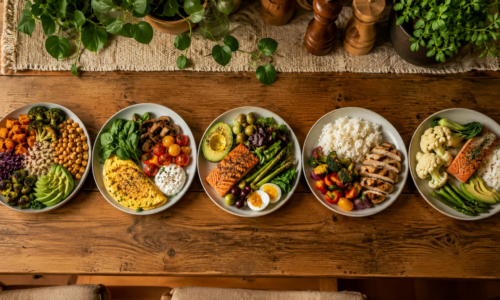
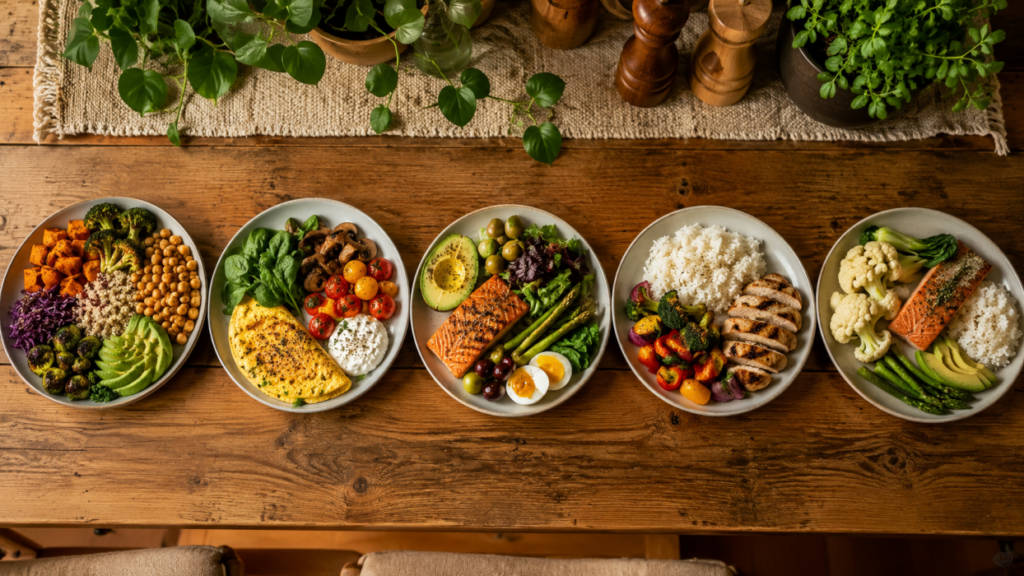
Five people can sit down at the same restaurant table, study the same menu, and be following five completely different sets of food rules. One person skips meat because they are vegetarian, another avoids every animal-derived food because they are vegan, someone else is counting carbohydrates to stay in ketosis, a diner with celiac disease is checking for gluten and cross-contact, and a low-lectin eater is paying close attention to ingredients and how certain plant foods were prepared. From a distance, all five approaches can look like versions of “restricted eating,” but the reasons behind the restrictions are very different.
That distinction matters in everyday life because one label does not automatically tell you what another person can eat. A vegan meal can contain plenty of gluten and lectin-rich foods. A ketogenic meal can include meat and dairy yet still be gluten-free. A low-lectin meal can include animal foods, selected plant foods, and carbohydrates, depending on the ingredients, preparation method, and the individual’s tolerance. Understanding what each pattern is trying to accomplish makes grocery shopping, substitutions, dining out, and meal planning much easier.
Each Eating Pattern Starts With a Different Question
Vegan eating begins with the source of the food. In dietary terms, vegans avoid meat, poultry, fish, dairy products, eggs, and other foods derived from animals. A well-planned vegan diet can provide a wide range of nutrients, but vitamin B12 requires special attention because dependable vegan sources generally come from fortified foods or supplements. Calcium, iron, iodine, vitamin D, selenium, and omega-3 fats may also need thoughtful planning depending on the foods someone regularly eats.
Vegetarian eating also focuses on food source, but it usually leaves more room for animal-derived foods. Many vegetarians eat dairy products and eggs while avoiding meat and fish, although there are several variations. That extra flexibility can make nutrients such as vitamin B12 and calcium easier to obtain, especially for people who regularly eat eggs, yogurt, cheese, or milk. Plant proteins such as beans, lentils, nuts, seeds, tofu, and whole grains often play a larger role in both vegetarian and vegan diets.
Keto begins with a different question: how many carbohydrates does the diet provide, and are they low enough to promote nutritional ketosis? A typical ketogenic diet sharply restricts carbohydrate, often to somewhere below about 50 grams per day, while supplying most calories from fat and a moderate amount of protein. The exact numbers vary by version, but the defining feature is carbohydrate restriction rather than whether a food came from a plant or an animal.
Gluten-free eating is narrower in one sense because it targets a specific group of proteins found in wheat, barley, rye, and related grains. For people with celiac disease, a strict gluten-free diet is the established treatment because gluten exposure triggers an immune reaction that damages the small intestine. In the United States, foods carrying a regulated “gluten-free” claim must meet FDA requirements, including having less than 20 parts per million of unavoidable gluten.
Low-lectin eating is organized around exposure to certain lectins, a broad family of carbohydrate-binding proteins found in many foods, particularly some legumes and grains. Unlike celiac disease, there is no widely accepted clinical definition, diagnostic test, or standardized medical protocol for a “low-lectin diet,” and human research on long-term lectin restriction remains limited. That means low-lectin eating is better understood as a practical dietary strategy built around ingredient selection, food preparation, and personal tolerance rather than a single medically standardized prescription.
Vegan and Vegetarian Diets Are Defined by Animal Foods
The difference between vegan and vegetarian sounds simple until a real menu is involved. A vegetable curry made with coconut milk can be vegan, while the same curry finished with cream is vegetarian but no longer vegan. An omelet with spinach and cheese fits many vegetarian diets, while a vegan eater would replace the eggs and cheese with plant-based ingredients. Neither version tells us anything by itself about carbohydrates, gluten, or lectin content.
This is where assumptions can cause confusion. A vegan burger may use wheat gluten, soy, beans, or pea protein, which can make it unsuitable for someone avoiding gluten or restricting certain lectin-containing foods. A vegetarian pasta dish may contain wheat and a large carbohydrate load, making it poorly suited to strict keto. The words “vegan” and “vegetarian” describe where foods come from, not their carbohydrate level, gluten content, or lectin profile.
Both patterns can be nutritionally sound when they are planned well, but removing animal foods changes where certain nutrients have to come from. Vegan eaters usually need a dependable source of vitamin B12 from fortified foods or supplementation, while vegetarians who eat dairy and eggs may have more dietary sources available. Iron is present in many plant foods, although plant-based iron is generally absorbed less efficiently than heme iron from meat, so meal composition and overall dietary variety matter.
Keto Is About Fuel Selection More Than Food Philosophy
Keto often gets grouped with other restrictive diets because it removes many familiar foods, but its central mechanism is metabolic. By keeping carbohydrate intake very low, the diet encourages the body to produce ketone bodies and rely more heavily on fat-derived fuel. Bread, pasta, rice, many fruits, beans, sweets, and starchy vegetables can all become difficult to fit into a strict ketogenic intake even when they are otherwise nutritious foods.
A ketogenic plate might contain salmon, eggs, avocado, olive oil, leafy greens, and a small portion of non-starchy vegetables. That meal can also be gluten-free and may fit some low-lectin approaches, but it is clearly neither vegan nor vegetarian because of the salmon and eggs. Another person could build a plant-based keto meal around avocado, olives, coconut, selected nuts, seeds, tofu, and low-carbohydrate vegetables, although combining vegan and strict keto rules can make meal planning substantially more demanding.
Research on ketogenic diets shows a mix of possible benefits and tradeoffs. Controlled trials and reviews have found reductions in body weight, triglycerides, and some measures of blood sugar in certain groups, but LDL cholesterol can rise in some people, and long-term outcome data are less certain than short-term metabolic data. The response also depends heavily on what replaces the carbohydrates, since a diet centered on olive oil, avocado, nuts, seeds, fish, and minimally processed foods is nutritionally different from one dominated by butter, processed meat, and highly refined “keto” products.
Gluten-Free Targets Gluten, Not Carbohydrates or Lectins
A gluten-free diet can look surprisingly ordinary when it is built from naturally gluten-free foods. Meat, fish, eggs, fruits, vegetables, many dairy products, rice, potatoes, and numerous other foods do not naturally contain gluten. Gluten-free breads and pastas can also be made from rice, corn, cassava, quinoa, buckwheat, legumes, or other ingredients, so “gluten-free” does not mean low-carbohydrate.
That point becomes especially useful for someone comparing gluten-free eating with low-lectin eating. A bag of gluten-free bean pasta can meet gluten-free standards while still being made from a food that contains lectins. Corn-based crackers may be gluten-free but may not fit a particular low-lectin plan. A steak with roasted vegetables can fit both approaches, while a bowl of properly cooked lentils may be gluten-free and vegetarian but still be limited or prepared differently by someone who is reducing lectin exposure.
For people with celiac disease, cross-contact carries much more significance than it does for someone who simply prefers to eat less wheat. Shared fryers, cutting boards, pasta water, bread crumbs, and flour dust can matter because small amounts of gluten may be enough to interfere with a medically required gluten-free diet. Someone who suspects celiac disease should also be tested before removing gluten when possible, because starting a gluten-free diet first can make diagnostic testing less reliable.
Low-Lectin Eating Puts More Weight on Preparation
Low-lectin eating has one feature that separates it from the other four patterns: preparation method can change the practical status of a food. Lectins are proteins, and many are reduced or inactivated by adequate cooking. Beans provide the clearest food-safety example because raw or undercooked kidney beans can contain enough phytohaemagglutinin to cause nausea, vomiting, and diarrhea, while properly cooked kidney beans contain far lower levels.
This is why a low-lectin kitchen often pays attention to soaking, boiling, pressure cooking, peeling, deseeding, fermentation, or choosing foods that naturally fit the eater’s preferred pattern. Heat treatment is especially relevant for legumes, although lectins differ from one food to another and they do not all respond identically to processing. Low-temperature slow cooking is a poor choice for raw kidney beans because it may not reach temperatures needed to adequately inactivate their lectin activity.
The broader health claims sometimes made about dietary lectins require more restraint. There is clear evidence that high levels of active lectins in improperly prepared foods such as kidney beans can cause acute illness, but there is much less human evidence showing that the lectins remaining in a normal mixed diet are a general cause of chronic disease. Many foods that contain lectins, including legumes and whole grains, are also associated with favorable health outcomes in large population studies, so the presence of lectins alone does not make a food inherently harmful.
For someone following a low-lectin lifestyle because certain foods seem to affect digestion or comfort, that uncertainty does not make personal observation meaningless. It does mean that symptoms are best interpreted carefully, since a meal containing beans, wheat, onions, rich sauces, alcohol, and several other ingredients creates many possible explanations for a reaction. Changing one variable at a time, keeping preparation methods consistent, and recording meals and responses can produce more useful personal information than removing a long list of foods all at once.
The Same Food Can Fit One Diet and Conflict With Another
A lentil and quinoa bowl with roasted vegetables makes a good example because its identity changes depending on which set of rules is being applied. It can be vegan and vegetarian, and it can be gluten-free if all ingredients and preparation methods avoid gluten cross-contact. It is generally too high in carbohydrate for strict keto, and someone following a low-lectin approach may limit it, modify the ingredients, or focus on how the lentils and quinoa were prepared.
Now consider grilled salmon with avocado, asparagus, olive oil, and a small serving of white rice. It is not vegan or vegetarian, but it is naturally gluten-free if the seasonings and cooking environment are safe. The rice may push the meal outside a strict keto target, while a low-lectin eater might accept the meal depending on the specific plan and personal tolerance. No single label tells the whole story.
Packaged foods make these overlaps even more obvious. A cookie can be vegan and gluten-free while still being high in sugar and starch. A keto snack can be gluten-free yet contain dairy, eggs, or ingredients a low-lectin eater prefers to avoid. A vegetarian frozen meal can contain wheat, corn, soy, beans, and enough carbohydrate to be incompatible with both gluten-free and keto eating. Reading the actual ingredient list remains more informative than relying on a front-of-package lifestyle label.
The Best Choice Depends on the Reason for Choosing It
Dietary patterns work best when the reason for following them is clear. Veganism may reflect ethical concerns about animal use as well as dietary preferences. Vegetarianism can offer a less restrictive way to reduce or remove meat while retaining eggs or dairy. Keto is usually chosen for carbohydrate restriction and ketosis, while gluten-free eating is medically required for celiac disease and may also be used in other clinically evaluated gluten-related conditions.
Low-lectin eating occupies a different position because the evidence base is less settled and the approach varies considerably from person to person. For many people exploring it, the most workable version is not a hunt for absolute zero exposure. It is a structured way to reduce foods that appear troublesome, prepare higher-lectin foods more carefully when they are included, and observe whether those changes produce a repeatable difference in digestion, comfort, energy, or other personally relevant measures.
That practical distinction can prevent a lot of unnecessary restriction. Someone can eat low-lectin without being keto, gluten-free, vegetarian, or vegan, and any of those patterns can overlap with low-lectin eating if the food choices are adjusted carefully. The more dietary rules someone combines, the more attention needs to be paid to protein, fiber, vitamins, minerals, essential fats, overall calorie intake, and simple meal variety, because a plan that looks very “clean” on paper can still become nutritionally narrow.
Long-term eating also has to survive ordinary life. Restaurant meals, family dinners, travel, grocery costs, cooking time, and personal food tolerance all shape whether a dietary pattern remains workable. For low-lectin eaters in particular, a consistent meal log can help separate a genuine pattern from a one-off reaction and can show whether preparation changes, portion size, or frequency make a food easier to tolerate. That kind of record turns the diet from a fixed list of forbidden foods into a more individualized way of deciding what earns a regular place on the plate.