How to Get Enough Fiber on a Low-Lectin Diet When Vegetables Cause Digestive Problems
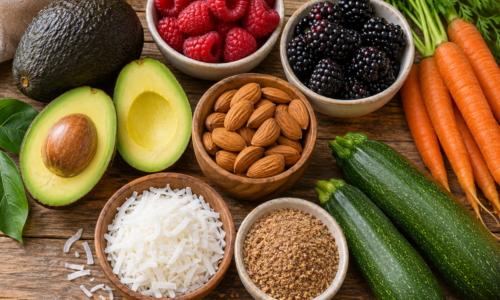
Getting enough dietary fiber can become surprisingly difficult when vegetables are among the foods causing digestive discomfort.

Getting enough dietary fiber can become surprisingly difficult when vegetables are among the foods causing digestive discomfort.
A restaurant menu can describe a dish beautifully while revealing surprisingly little about what actually goes into it.
A carefully prepared low-lectin meal can still be followed by a headache, facial flushing, digestive discomfort, or an unexpected reaction that seems difficult to explain.
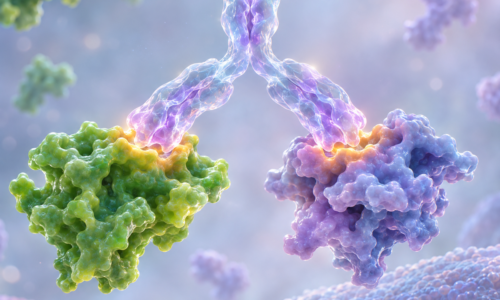
Certain proteins found in food can interact with human cells in ways that have attracted the attention of immunologists.
Coffee and tea are among the easiest beverages to incorporate into a daily routine, yet the ingredients and preparation methods behind a familiar cup can affect more than flavor.
Sauna heat can leave tired muscles feeling relaxed, while cold water can make post-exercise soreness temporarily less noticeable.
Preparing a low-lectin meal becomes more complicated when several people share the same kitchen but follow different eating habits.
Your intestines are lined with millions of cells that work constantly to protect your body. These cells help absorb nutrients, maintain a protective barrier, and communicate with your immune system.
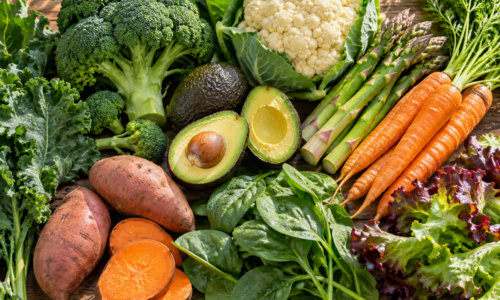
A dinner of roasted chicken, asparagus, and sweet potatoes provides something your body needs every day: protein for maintaining and repairing tissues, along with carbohydrates, fiber, vitamins, and minerals.
Holiday gatherings have a way of putting familiar foods in unfamiliar circumstances.
Removing foods from your diet is often easier than deciding which ones deserve a place back on the menu.