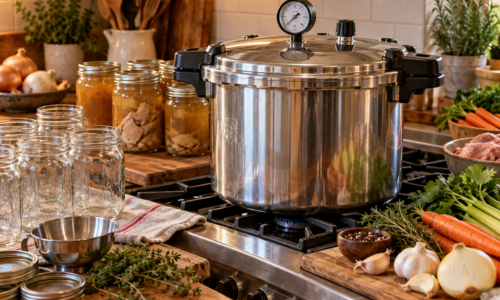
High-Pressure Canning Meat and Broths: Best Practices for Long-Term Storage
A well-stocked pantry can make everyday cooking easier, particularly when it contains ingredients that usually require hours of preparation.

A well-stocked pantry can make everyday cooking easier, particularly when it contains ingredients that usually require hours of preparation.
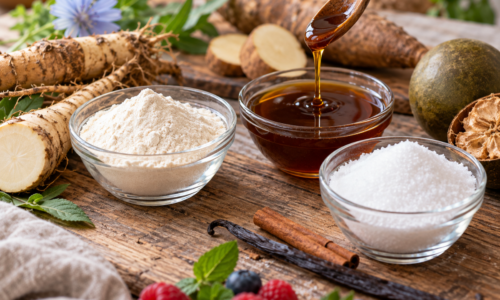
A low-lectin lifestyle can change the way someone thinks about dessert.
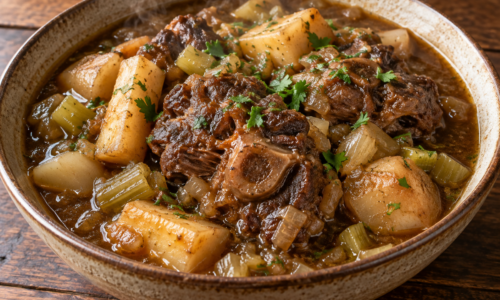
Rich, tender beef, earthy root vegetables, and a deeply flavored broth come together in a comforting low-lectin meal that makes excellent use of pressure cooking.
There is something satisfying about preparing a meal outdoors after a long day of hiking. The surroundings are quiet, the air feels different, and even a simple bowl of warm food can become one of the highlights of the trip.
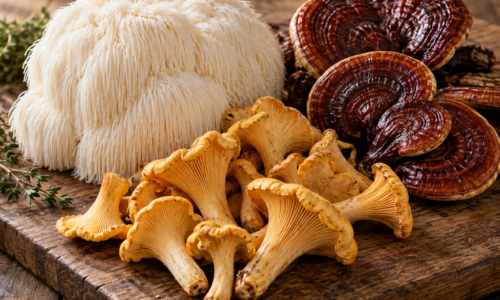
Mushrooms occupy an interesting place in the low-lectin kitchen. They offer deep, savory flavors, satisfying textures, and a range of naturally occurring compounds that have attracted considerable scientific interest.
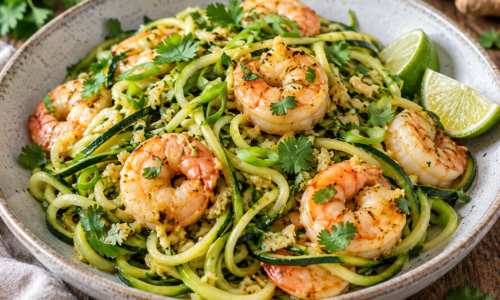
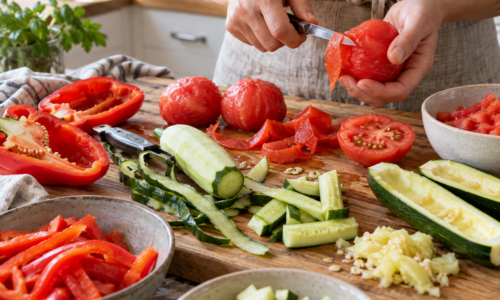
There is something satisfying about a meal that comes together in one pan, fills the kitchen with the aroma of garlic and fresh ginger, and delivers a generous plate of food without leaving you feeling overly full.
The phrase “lectin-free” sounds simple, but food rarely works in absolutes. Lectins are a broad group of carbohydrate-binding proteins found throughout nature, including in many plant foods.
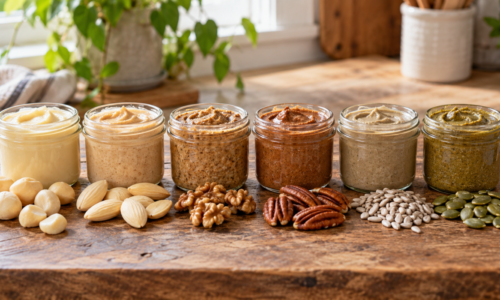
Nut and seed butters earn their place in the kitchen because they solve so many small food problems at once.
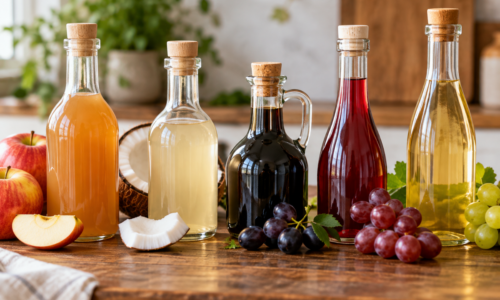
Vinegar occupies an unusual place in the kitchen. A tablespoon can brighten roasted vegetables, balance a rich dressing, sharpen a marinade, preserve food, or rescue a sauce that tastes flat.
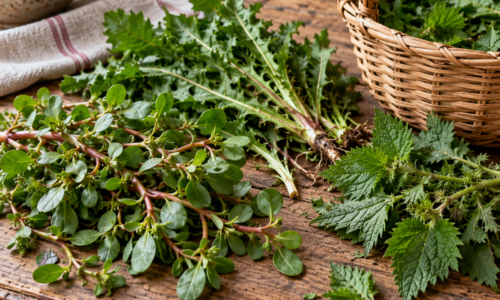
A patch of weeds at the edge of a garden can look very different once you know which plants are edible.
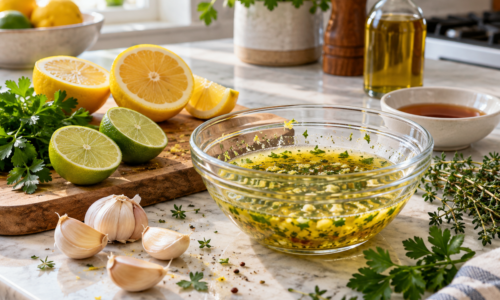
A sharp citrus marinade can visibly change food. Fish turns firmer and more opaque, meat softens at the surface, and vegetables begin to lose some of their raw texture.
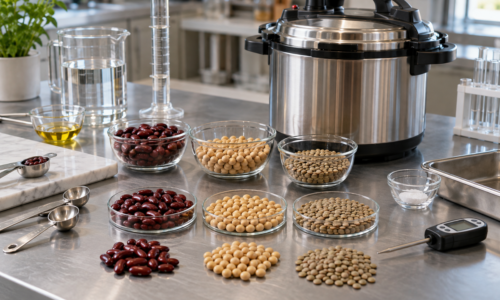
Pressure cooking is often described as a faster way to soften beans, but the more interesting story is what happens to the compounds inside those foods once heat, water, and pressure begin working together.
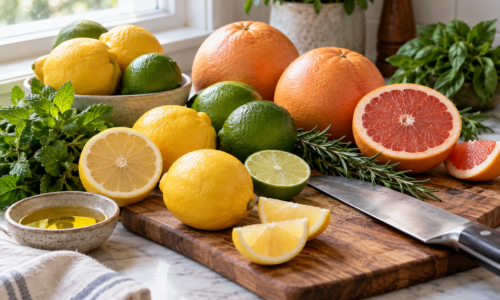
Citrus can occupy an awkward place in a low-lectin kitchen.
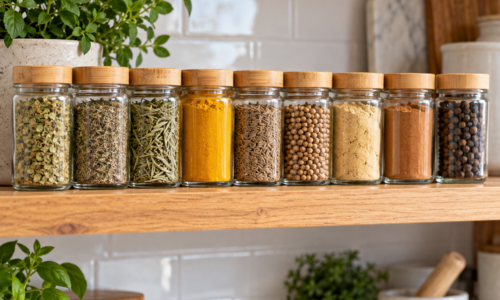
A jar of dried oregano looks simple enough, but spice shopping can become surprisingly complicated when someone is trying to avoid nightshades.
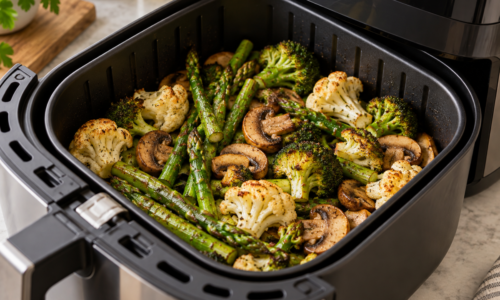
Air fryers have earned a permanent place in many kitchens because they can brown vegetables, crisp proteins, and reheat leftovers with very little added oil.