What “Healing” Actually Looks Like in the First 90 Days
The first 90 days of a low-lectin lifestyle can feel strange because most people expect healing to look like a clean upward climb.

The first 90 days of a low-lectin lifestyle can feel strange because most people expect healing to look like a clean upward climb.
The modern grocery store is built to make people feel like they are making good choices before they ever read an ingredient list. Bright labels, earthy packaging, gentle fonts, and comforting claims work together to create a mood.
Soup has always had a reputation as recovery food, and for good reason. It is warm, soft, easy to digest, and forgiving on days when the gut feels irritated, inflamed, or unpredictable.
Food reactions are rarely as tidy as people want them to be. Most of us imagine a clear cause-and-effect pattern. You eat something, your body reacts, and the guilty food exposes itself within minutes.
Low-lectin eating gets much easier once you stop thinking in single meals. That one shift changes the whole rhythm of the kitchen.
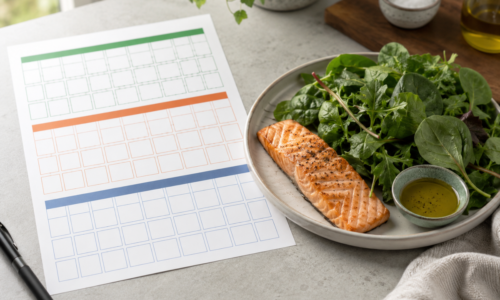
Busy days have a way of exposing every weak spot in a diet plan. A calm low-lectin routine can feel easy on a Sunday afternoon with clean counters, roasted vegetables cooling on a tray, and protein already portioned in the fridge.
Some people remove wheat, beans, peanuts, nightshades, and other high-lectin foods and feel different within days. Their digestion calms down. Their headaches fade. Their joints feel less stiff. Their energy steadies.
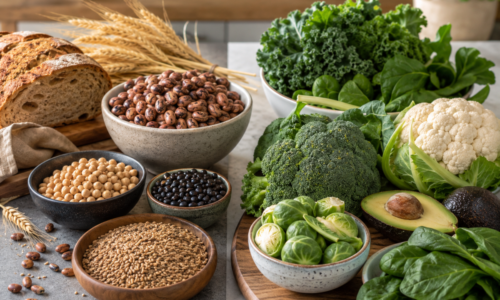
A lot of people hear “low-lectin” and immediately picture a sad plate. No beans. No whole wheat. No tomatoes. No big grain bowls. From the outside, it can look like fiber has been kicked out of the kitchen along with the lectins.
A low-lectin lifestyle gets much easier when you stop treating every reaction like a mystery. Most people do not need a more dramatic diet.
A low-lectin lifestyle usually gets harder when people treat it like a personality test. They start strong, clean out the pantry, buy the fancy oils, print the food lists, and swear they are going to “do it right” this time.
A low-lectin transition gets much easier when the pantry stops working against you. Most people begin by thinking about what they need to remove from their plate, but the bigger shift happens behind the cabinet doors.
Blood sugar balance rarely comes from one magic food. It comes from structure.
Removing high-lectin foods can change more than the contents of your plate. It can change how hunger feels, how fullness arrives, how long meals hold you, and how confident you feel between meals.
Starting a low-lectin lifestyle can feel strangely empowering. For many people, the first few weeks bring a sense of control they may not have felt in years. The bloating starts to calm down.
There is a quiet kind of confidence that comes from knowing how to build a meal without overthinking every bite. For many people beginning a low-lectin lifestyle, the hardest part is not learning which foods may be more irritating.