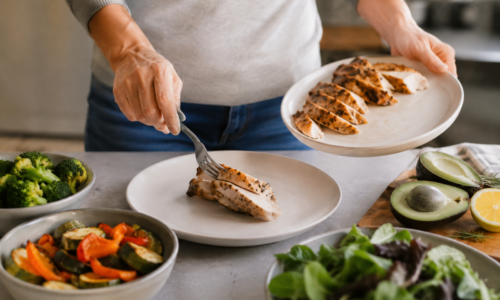

There is a quiet kind of confidence that comes from knowing how to build a meal without overthinking every bite. For many people beginning a low-lectin lifestyle, the hardest part is not learning which foods may be more irritating. The harder part is figuring out how to turn that knowledge into an actual plate of food when it is noon, you are hungry, and your patience is already running low. That is where the protein-first meal framework becomes useful. It gives the meal a starting point, a structure, and a sense of calm before the usual food decisions start piling up.
Protein-first does not mean protein-only. It does not mean ignoring vegetables, healthy fats, flavor, fiber, or enjoyment. It simply means that the first question you ask when building a meal is, “What is my protein?” Once that decision is made, the rest of the plate becomes easier to assemble. Instead of wandering through the kitchen trying to piece together a meal from cravings, leftovers, and good intentions, you begin with the ingredient most likely to steady the meal and support satisfaction.
In a low-lectin approach, this framework can be especially helpful because many of the foods people remove or reduce are common meal anchors. Beans, lentils, peanuts, wheat-based breads, regular pasta, and many grain-heavy meals often serve as the center of the plate in modern eating. When those foods are reduced, people can feel as if the meal has lost its foundation. Starting with protein gives that foundation back.
Why Protein Makes the Meal Feel More Complete
One of the reasons protein works so well as a meal anchor is that it sends a strong signal of nourishment. Protein supports muscle maintenance, immune function, tissue repair, and enzyme production, but most people feel its benefits in a simpler way: they stay full longer. A meal built mostly around quick carbohydrates may taste satisfying at first, but it often fades quickly, leaving the person looking for snacks or something sweet soon after. Protein slows that pattern down.
From a digestive standpoint, protein takes more work to break down than refined carbohydrates. That slower process can make the meal feel more stable. It also interacts with satiety hormones, which are chemical messengers that help the body recognize fullness. In plain language, protein helps the body understand that real food has arrived. This is one reason a breakfast built around eggs, salmon, leftover chicken, turkey patties, or Greek-style A2 yogurt may carry someone farther than a breakfast built mainly around toast, cereal, or a sweetened snack.
This does not mean every meal needs to be heavy or meat-centered. A protein-first plate can be light, simple, and gentle. It might be baked cod with olive oil and herbs, shredded chicken over sautéed greens, pasture-raised eggs with avocado, or turkey meatballs with roasted cauliflower. The point is not to force a giant serving of protein. The point is to give the meal a stable center before adding the supporting cast.
For people managing food sensitivity, that stability matters. Hunger can make food decisions more emotional. When you are underfed, it becomes easier to reach for foods that are convenient but irritating. A protein-first habit reduces that scramble. It gives you a repeatable rhythm that works even on days when your energy is low.
The Low-Lectin Advantage of Starting With the Anchor
The low-lectin lifestyle is often misunderstood as a long list of foods to avoid. In practice, it works better when it is treated as a method for building meals around foods that are less likely to cause trouble for you personally. That means the focus should not be only on restriction. It should also be on replacement, preparation, and satisfaction.
Protein-first helps because it moves attention away from what is missing and toward what is available. Instead of thinking, “I can’t have the usual pasta bowl,” you can think, “I have grilled chicken, so what can I build around it?” That small shift changes the emotional tone of the meal. The plate becomes constructive rather than defensive.
Animal proteins are naturally free of plant lectins, which makes them common anchors in a low-lectin kitchen. Chicken, turkey, fish, seafood, eggs, lamb, and other well-tolerated meats can provide a reliable base. For those who tolerate dairy, A2 dairy or goat and sheep dairy may also play a role, depending on the individual. The key is personal tolerance. Low-lectin living is not a contest to see who can eat the shortest food list. It is a practical system for reducing friction between your meals and your body.
Plant-based protein can be more complicated because many traditional plant proteins come from legumes, grains, or seeds that may contain lectins or other compounds some people find irritating. This does not make every plant protein “bad,” but it does mean preparation matters. Soaking, peeling, deseeding, fermenting, and pressure cooking can change how a food behaves in the kitchen and sometimes how it feels in the body. Still, for beginners, it is often easier to use a well-tolerated animal protein as the anchor while slowly testing other options later.
There is also a psychological benefit here. A meal that begins with a strong protein source feels intentional. It is less likely to turn into grazing, nibbling, or building a plate out of random snack foods. That matters because digestive patterns are not shaped by ingredients alone. They are also shaped by timing, stress, chewing, portion size, and whether the meal actually satisfies you.
Building the Plate Around Protein Without Making It Boring
Once the protein is chosen, the next step is to add volume, texture, and flavor. This is where low-lectin vegetables become important. A simple protein by itself may keep you full, but it can feel plain and incomplete. Vegetables help turn the anchor into a meal.
A good low-lectin plate often includes cooked greens, cruciferous vegetables, mushrooms, peeled and seeded squash, asparagus, celery, onions, herbs, or a tolerated root vegetable. Cooking method matters. Roasting can deepen flavor. Sautéing in olive oil can make vegetables feel more comforting. Steaming can be useful when digestion is sensitive. Pressure cooking can soften tougher ingredients and make meal prep easier.
Healthy fat then brings the plate together. Olive oil, avocado oil, avocado, olives, or a small amount of tolerated dairy can make a meal feel finished. Fat carries flavor and slows the eating experience, which can be helpful when someone is trying to avoid the “I ate but I still want something” feeling. A dry plate of chicken and vegetables can feel like punishment. The same plate with olive oil, herbs, lemon, garlic-infused oil, or a gentle sauce can feel like real food.
This is where many people accidentally make low-lectin eating harder than it needs to be. They remove high-lectin foods but forget to rebuild flavor. Protein-first does not mean bland-first. A turkey burger over greens can be brightened with avocado and lime. Salmon can be paired with roasted fennel and a spoonful of herb oil. Eggs can become a full meal with sautéed spinach, mushrooms, and a side of sweet potato if tolerated. The framework is simple, but the flavors do not have to be.
It also works beautifully with leftovers. A cooked protein in the refrigerator is one of the best tools for staying consistent. Leftover roasted chicken can become lunch with greens and olive oil. Turkey meatballs can become dinner with cauliflower mash. Hard-boiled eggs can rescue a busy morning. When the protein is already handled, the meal is halfway built.
Why Meal Order Can Matter
Protein-first can mean two things. It can mean choosing protein first when planning the plate, and it can also mean eating protein near the beginning of the meal. For some people, the order of food can influence how they feel after eating, especially when a meal includes starchier foods or fruit.
Research on meal sequencing suggests that eating vegetables and protein before higher-carbohydrate foods may help reduce sharp post-meal glucose rises. For everyday readers, the practical takeaway is not complicated. If your plate includes protein, vegetables, and a tolerated starch, you may feel steadier eating the protein and vegetables first, then finishing with the starchier portion. This is not a magic trick and it does not turn an irritating food into a safe one. It is simply another small lever that may help the meal land more gently.
This can be useful for people who feel sleepy, foggy, hungry, or snacky soon after meals. Sometimes the issue is not only what they ate, but how the meal was structured. A plate that starts with bread, crackers, chips, or a sweet food can create a different experience than a plate that starts with chicken, fish, eggs, or vegetables. The same ingredients can feel different when the sequence changes.
In a low-lectin lifestyle, this idea fits naturally. Many people are already paying attention to preparation, portion, and personal response. Meal order becomes one more observation tool. You might notice that eating salmon and greens before a small serving of sweet potato feels better than eating the sweet potato first. You might notice no difference at all. Either result is useful because the goal is not to follow rules blindly. The goal is to understand your own patterns.
The important thing is to keep the framework flexible. Someone with blood sugar concerns, kidney disease, digestive disorders, or medical dietary restrictions should work with a qualified professional before making major changes to protein intake. Protein-first is a meal-building strategy, not a medical prescription. It should make eating easier, not more rigid.
A Simple Framework for Real Life
The easiest way to practice protein-first is to make the protein decision before hunger peaks. This can happen during grocery shopping, meal prep, or even while scanning a restaurant menu. Ask what protein will carry the meal, then decide what low-lectin vegetables and fats will support it. That one question can prevent a lot of mealtime confusion.
At home, this might mean keeping a few dependable proteins ready each week. Cooked chicken thighs, turkey patties, salmon portions, eggs, shrimp, lamb meatballs, or plain A2 yogurt can all become anchors. The exact choices depend on your preferences, budget, and tolerance. What matters is that they are easy to reach when you need them.
Restaurants can be approached the same way. Instead of starting with the bread basket, pasta section, or side dishes, look for grilled fish, roasted chicken, steak, eggs, bunless burgers, or salads with added protein. Then adjust the sides. Ask for extra vegetables, skip sauces that may contain questionable thickeners or seed oils, and keep the meal simple. Dining out will never be as controlled as eating at home, but a protein-first mindset makes it less chaotic.
This framework also helps with emotional sustainability. Low-lectin eating can become exhausting when every meal feels like a negotiation. Protein-first reduces the number of decisions. It gives you a pattern you can repeat without making every plate identical. The protein anchors the meal, the vegetables add volume and nutrients, the fat adds satisfaction, and the seasonings make it enjoyable.
Over time, this becomes less like a rule and more like instinct. You open the refrigerator and see possibilities instead of problems. You stop asking, “What am I allowed to eat?” and start asking, “What can I build from what already works for me?” That is a much better question.
The Steady Plate Wins
The protein-first meal framework is not flashy. It does not require a complicated chart, a perfect meal plan, or a pantry full of specialty products. Its strength is that it brings order to the plate. It helps people build meals that are filling, flexible, and easier to personalize within a low-lectin lifestyle.
For beginners, it can remove some of the fear that comes with changing old eating patterns. For experienced low-lectin eaters, it can bring consistency back during busy seasons. For anyone trying to connect food choices with energy, digestion, and comfort, it offers a practical place to begin.
Start with the anchor. Add what supports it. Notice how you feel. Then repeat the meals that give you steadiness. That is the quiet power of protein-first eating: it does not ask you to chase perfection. It simply helps you build a better plate, one meal at a time.