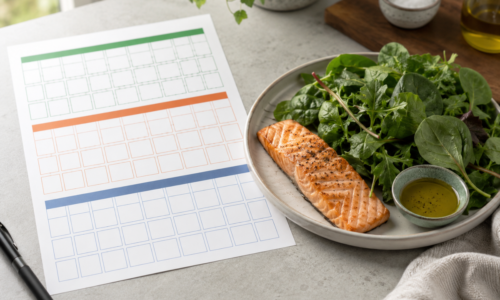
Beginner Grocery List and 7-Day Starter Meal Plan
Starting a low-lectin lifestyle can make an ordinary grocery store feel strangely unfamiliar.

Starting a low-lectin lifestyle can feel overwhelming at first, but it doesn’t have to be. This category is designed to help beginners build confidence with clear, practical guidance on what to eat, what to avoid, and how to transition without stress. You’ll find step-by-step introductions, common pitfalls to avoid, simple swaps, and easy routines that make the process feel manageable and sustainable.
Whether you’re just discovering lectins or taking your first steps toward a healthier, inflammation-aware lifestyle, these guides give you the essential tools to get started. Think of this section as your roadmap that is straightforward, supportive, and designed to help you build momentum from day one.
Starting a low-lectin lifestyle can make an ordinary grocery store feel strangely unfamiliar.
A low-lectin kitchen does not need to resemble a laboratory or a showroom full of expensive appliances.
A low-lectin lifestyle works best when it becomes less about fear and more about feedback. The body is always giving feedback. Some signals are obvious, like stomach pain after a meal.
Calorie counting sounds clean on paper. Eat fewer calories than you burn, lose weight, repeat until satisfied.
Changing how you eat sounds simple from the outside. You remove a few foods, add a few better ones, learn some new recipes, and move on with your life.
The first 90 days of a low-lectin lifestyle can feel strange because most people expect healing to look like a clean upward climb.
Food reactions are rarely as tidy as people want them to be. Most of us imagine a clear cause-and-effect pattern. You eat something, your body reacts, and the guilty food exposes itself within minutes.
Some people remove wheat, beans, peanuts, nightshades, and other high-lectin foods and feel different within days. Their digestion calms down. Their headaches fade. Their joints feel less stiff. Their energy steadies.
A lot of people hear “low-lectin” and immediately picture a sad plate. No beans. No whole wheat. No tomatoes. No big grain bowls. From the outside, it can look like fiber has been kicked out of the kitchen along with the lectins.
A low-lectin lifestyle usually gets harder when people treat it like a personality test. They start strong, clean out the pantry, buy the fancy oils, print the food lists, and swear they are going to “do it right” this time.
A low-lectin transition gets much easier when the pantry stops working against you. Most people begin by thinking about what they need to remove from their plate, but the bigger shift happens behind the cabinet doors.
Removing high-lectin foods can change more than the contents of your plate. It can change how hunger feels, how fullness arrives, how long meals hold you, and how confident you feel between meals.
Starting a low-lectin lifestyle can feel strangely empowering. For many people, the first few weeks bring a sense of control they may not have felt in years. The bloating starts to calm down.
When someone first begins a low-lectin lifestyle, it is natural to focus almost entirely on the food list. Tomatoes, peppers, beans, wheat, peanuts, cashews, conventional dairy, and other common trigger foods tend to get most of the attention.
When I first began paying attention to lectins, I thought the hard part would be memorizing which foods were “allowed” and which foods were not.