How to Get Enough Fiber on a Low-Lectin Diet When Vegetables Cause Digestive Problems
Getting enough dietary fiber can become surprisingly difficult when vegetables are among the foods causing digestive discomfort.

Getting enough dietary fiber can become surprisingly difficult when vegetables are among the foods causing digestive discomfort.
A dinner of roasted chicken, asparagus, and sweet potatoes provides something your body needs every day: protein for maintaining and repairing tissues, along with carbohydrates, fiber, vitamins, and minerals.
The human mouth contains a diverse community of bacteria, fungi, and other microorganisms that interact with food long before it reaches the stomach.
A low-lectin eating pattern can feel surprisingly good when it removes foods that have been difficult to tolerate, yet a digestive problem sometimes appears after the transition
For people who pay attention to lectins, one of the most practical questions is also one of the hardest to answer: after eating a lectin-containing food, how long does that lectin remain in the body?
Plant foods rarely contain only one compound that matters to digestion.
Many nutrition questions are difficult to study directly in humans.
A low-lectin lifestyle works best when it becomes less about fear and more about feedback. The body is always giving feedback. Some signals are obvious, like stomach pain after a meal.
Most elimination diets begin with a very human moment. A person is tired of feeling bloated, foggy, inflamed, uncomfortable, reactive, or just plain off.
Calorie counting sounds clean on paper. Eat fewer calories than you burn, lose weight, repeat until satisfied.
Changing how you eat sounds simple from the outside. You remove a few foods, add a few better ones, learn some new recipes, and move on with your life.
The first 90 days of a low-lectin lifestyle can feel strange because most people expect healing to look like a clean upward climb.
Food reactions are rarely as tidy as people want them to be. Most of us imagine a clear cause-and-effect pattern. You eat something, your body reacts, and the guilty food exposes itself within minutes.
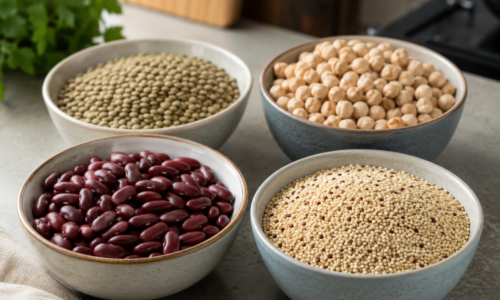
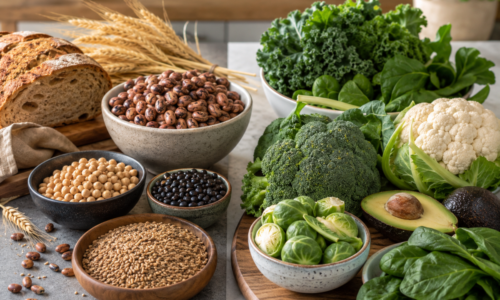
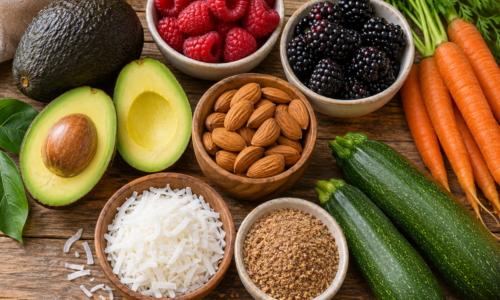
A lot of people hear “low-lectin” and immediately picture a sad plate. No beans. No whole wheat. No tomatoes. No big grain bowls. From the outside, it can look like fiber has been kicked out of the kitchen along with the lectins.
When someone first begins a low-lectin lifestyle, it is natural to focus almost entirely on the food list. Tomatoes, peppers, beans, wheat, peanuts, cashews, conventional dairy, and other common trigger foods tend to get most of the attention.