Low-Lectin Eating on Campus: A Practical Guide to Dining Halls and Dorm Cooking
A campus meal plan can provide plenty of food without providing much control over what goes into it.

A campus meal plan can provide plenty of food without providing much control over what goes into it.
A low-lectin eating routine is easier to maintain when the refrigerator is stocked, ingredients are available, and there is enough time to prepare meals.
A craving for bread, potatoes, pasta, or something warm and starchy can become surprisingly persistent after switching to a low-lectin diet.
Joint stiffness that appears the morning after a meal can raise questions about whether something eaten the previous day contributed to the discomfort.
For employees following a low-lectin lifestyle, these familiar workplace traditions can require more planning than expected.
Mental fog can arrive without much warning. Concentration becomes difficult, familiar tasks require more effort, and thoughts seem slower than usual.
A meal that should leave you comfortably satisfied can sometimes produce an uncomfortable sensation of fullness that lasts for hours.
Duck breast has a rich, distinctive flavor that pairs particularly well with fruit-based sauces.
The human mouth contains a diverse community of bacteria, fungi, and other microorganisms that interact with food long before it reaches the stomach.
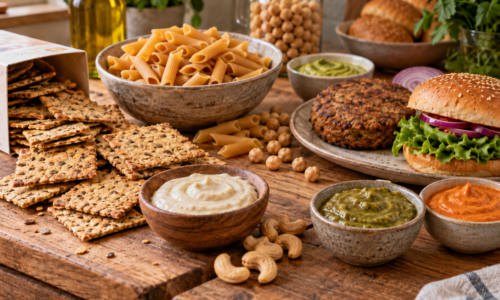
A package of gluten-free pasta can look like an ideal replacement for traditional wheat pasta. The label promises the absence of gluten, and the ingredients might include chickpeas, lentils, corn, or rice.
A busy evening can turn dinner preparation into a lengthy process, particularly when following a low-lectin lifestyle.
Ground lamb develops a deeply savory flavor when browned in a hot skillet, especially when paired with mushrooms cooked until their moisture evaporates and their edges turn golden.
Starting a low-lectin lifestyle often changes the way people approach grocery shopping, cooking, and familiar meals.
Finishing a substantial meal and immediately beginning a demanding workout can lead to an uncomfortable combination of nausea, abdominal pressure, cramping, and acid reflux.
The salt aisle has become surprisingly complicated.