Mental fog can arrive without much warning. Concentration becomes difficult, familiar tasks require more effort, and thoughts seem slower than usual. For someone following a low-lectin lifestyle, these symptoms may raise questions about a recent meal, an ingredient that was reintroduced, or whether the day’s food provided enough energy.
Several different circumstances can produce similar sensations. Genuine low blood sugar can interfere with brain function, but inadequate calorie intake, dehydration, disrupted sleep, and certain food-related conditions can also affect mental clarity. Understanding the differences requires looking at symptom patterns, meal composition, and, when appropriate, actual blood glucose measurements.
Understanding Brain Fog and Its Possible Causes
Brain fog is an informal description of difficulties with concentration, memory, attention, and mental processing. Someone experiencing it might struggle to recall a familiar word, lose track of a conversation, or find that reading requires repeated effort. The sensation can persist for several hours or fluctuate throughout the day.
Brain fog describes a collection of symptoms rather than a specific medical diagnosis. The University of Rochester Medical Center’s explanation of brain fog, published in February 2026, identifies poor sleep, dehydration, skipped meals, medication effects, and nutritional deficiencies among the possible contributors. Stress and certain medical conditions can also affect attention and mental stamina.
The timing of symptoms can influence how people interpret them. Mental sluggishness that begins after lunch may prompt someone to suspect an ingredient in the meal, even when inadequate sleep or an unusually demanding morning contributed to the experience. The association with eating is worth documenting, although timing alone cannot establish which factor was responsible.
What Happens When Blood Sugar Actually Drops?
Glucose circulates in the bloodstream and provides energy to cells throughout the body, including the brain. The body regulates blood glucose through hormones such as insulin and glucagon, using stored glycogen and producing glucose when necessary. These mechanisms normally help maintain an adequate supply between meals.
Hypoglycemia occurs when blood glucose falls to a level that requires attention or interferes with normal functioning. The American Diabetes Association’s 2026 Standards of Care classify glucose concentrations below 70 mg/dL as level 1 hypoglycemia when they remain at or above 54 mg/dL. Readings below 54 mg/dL are classified as level 2 hypoglycemia and require immediate action. These thresholds are particularly relevant to diabetes management and should not be used alone to diagnose a hypoglycemic disorder in someone without diabetes.
As glucose declines, the body may release hormones that produce recognizable warning signs. Shakiness, sweating, sudden hunger, palpitations, and feelings of nervousness can occur before noticeable changes in thinking. More significant glucose deprivation can interfere with brain function, causing confusion, blurred vision, unusual behavior, or difficulty coordinating movements.
The symptoms are useful clues, although they are not definitive. Someone experiencing hypoglycemia may feel mentally foggy without recognizing the cause, while another person may experience similar concentration difficulties with normal blood glucose. People with diabetes who have reduced awareness of hypoglycemia may also experience fewer warning symptoms than expected.
Why True Hypoglycemia Is Less Common Without Diabetes
People who use insulin or certain diabetes medications are particularly susceptible to hypoglycemia. Skipping meals, unexpectedly increasing physical activity, consuming alcohol, or substantially reducing carbohydrate intake can increase the risk when medication effects are not appropriately matched to food and activity. Dietary changes that significantly alter carbohydrate consumption may therefore require adjustments to an established diabetes treatment plan.
In people without diabetes, several physiological safeguards usually prevent substantial glucose declines. A 2025 clinical review of nondiabetic hypoglycemia explains that confirmed hypoglycemic disorders are relatively uncommon in this population. Evaluation generally depends on documenting symptoms consistent with hypoglycemia, a genuinely low plasma glucose concentration during the episode, and improvement after glucose returns to normal.
This combination is known as Whipple’s triad. It helps distinguish clinically meaningful hypoglycemia from symptoms that merely resemble it. Repeated or severe episodes in someone without diabetes warrant assessment because medications, certain illnesses, hormone deficiencies, and less common metabolic disorders may occasionally be involved.
Calorie Deficits Can Cause Fatigue Without Hypoglycemia
Dietary changes sometimes reduce overall food intake more than intended. Replacing conventional pasta with zucchini noodles, for example, changes the energy content of a meal considerably. A large serving of zucchini may occupy the same space on the plate as pasta while supplying substantially fewer calories and carbohydrates.
Calories measure the energy supplied by food, while blood glucose represents the concentration of glucose circulating at a particular moment. Although the two are connected through metabolism, they are not interchangeable. The body can maintain blood glucose through stored glycogen and glucose production even when dietary energy intake is insufficient.
Consistently eating too little may contribute to fatigue, reduced exercise capacity, irritability, and difficulties maintaining attention. These complaints can develop gradually, particularly when a person combines reduced portions with substantial physical activity. Such symptoms do not prove a calorie deficit, but an examination of recent food intake may reveal that meals have become unexpectedly small.
This deserves attention in low-lectin meal planning because some substitutions replace concentrated energy sources with water-rich vegetables. Cauliflower rice, spiralized zucchini, and leafy greens can provide useful variety, yet they may leave a meal less substantial when they replace most of its starch without other additions. The resulting hunger or tiredness may reflect the meal’s limited energy contribution rather than an adverse reaction to its ingredients.
Energy Intake and Carbohydrate Intake Are Different Considerations
Carbohydrates, fats, and proteins all contribute dietary energy, but they play different roles in metabolism. Carbohydrates are digested into sugars that can be used for energy or stored, while dietary fats supply concentrated energy and protein provides amino acids for tissue maintenance and other functions. Adequate protein intake alone does not guarantee that a meal contains enough total calories.
A low-carbohydrate meal can still provide substantial energy through protein and fat. Likewise, a carbohydrate-rich meal may be insufficient if the portion is extremely small. The practical concern is whether the overall eating pattern supplies enough energy and nutrients for the person’s activity level, health circumstances, and daily requirements.
For people following low-lectin eating, the question becomes especially relevant when several familiar staples are removed simultaneously. Eliminating wheat products, selected legumes, and certain grains without suitable replacements may unintentionally reduce fiber, carbohydrate intake, and total calories. Evaluating the nutritional contribution of replacement foods helps prevent those shortfalls.
Why Mental Sluggishness Sometimes Appears After Eating
Postprandial somnolence is the medical term for drowsiness following a meal. It can involve reduced alertness, slower thinking, and a desire to rest, particularly after larger meals. This familiar experience is sometimes called a food coma.
The Cleveland Clinic’s explanation of postprandial somnolence notes that sleepiness commonly peaks approximately one to two hours after eating. Meal size appears to influence the response, although researchers continue to investigate the physiological mechanisms involved. Normal fluctuations in alertness and the body’s sleep regulation also contribute to how noticeable the sensation becomes.
Ordinary post-meal sleepiness generally resolves without treatment. It may be more noticeable following a large lunch, especially when someone is already tired or has been sitting for an extended period. A smaller meal, sufficient nighttime sleep, or a short walk after eating may help reduce the effect.
These circumstances differ from episodes involving pronounced shakiness, sweating, palpitations, or confusion. Such symptoms deserve closer attention, particularly in someone at risk of hypoglycemia. The presence of fatigue alone does not establish that blood glucose has fallen.
Reactive Hypoglycemia and Symptoms Following Meals
Reactive hypoglycemia refers to a documented decline in blood glucose that occurs after eating, usually within approximately four hours. It differs from hypoglycemia that develops during prolonged periods without food. The condition can sometimes occur after certain gastrointestinal surgeries or in association with other medical circumstances.
The Mayo Clinic’s guidance on reactive hypoglycemia describes symptoms that may include shakiness, sweating, hunger, dizziness, weakness, and confusion. However, symptoms appearing several hours after a meal do not automatically establish the condition. A meaningful diagnosis requires evidence that blood glucose actually became low during the episode.
Some people experience similar symptoms while their glucose remains within a normal range. This pattern is sometimes described as postprandial syndrome, reflecting symptoms associated with eating without confirmed biochemical hypoglycemia. Distinguishing the two matters because repeated assumptions about blood sugar can obscure other explanations and lead to unnecessary dietary restrictions.
Meal composition and timing may offer useful clues during an evaluation. A clinician may consider whether symptoms follow particular types of meals, whether gastrointestinal surgery or glucose-lowering medication is involved, and whether glucose measurements correspond with the symptoms. Persistent or severe episodes may require more specific testing rather than relying on a food diary alone.
Food Reactions and the Low-Lectin Perspective
Food-related discomfort can occur without an abnormal blood glucose measurement. Bloating, nausea, headaches, and fatigue may accompany certain food intolerances or medical conditions, although the mechanisms vary considerably. A person experiencing digestive discomfort alongside mental sluggishness may reasonably investigate whether a particular meal contributes to the pattern.
Within low-lectin eating, some individuals report improved comfort after excluding particular ingredients. Such observations may be useful when planning meals, especially when symptoms recur following similar exposures. Current human evidence, however, does not establish dietary lectins as a common cause of brain fog or demonstrate that reducing lectin intake reliably improves cognitive function.
Identifying the responsible component of a food can be difficult. Wheat, for example, contains gluten, fermentable carbohydrates, and lectins, each with different properties. Symptoms following wheat consumption cannot establish that wheat germ agglutinin or another specific component caused the reaction.
Celiac disease offers an example of why ingredient-related symptoms deserve careful interpretation. The condition involves an immune response to gluten and can produce fatigue and other symptoms, sometimes without prominent digestive complaints. The National Institute of Diabetes and Digestive and Kidney Diseases advises testing for celiac disease before beginning a gluten-free diet because avoiding gluten can interfere with diagnostic accuracy.
For someone who has already excluded wheat as part of a low-lectin approach, persistent symptoms may justify discussing that history with a clinician. Appropriate evaluation can help distinguish established medical conditions from suspected food intolerance. Further restricting the diet without identifying a likely cause may complicate nutritional adequacy while providing little additional information.
Building Low-Lectin Meals That Supply Enough Energy
A practical starting point is to examine what a meal contains after familiar ingredients have been replaced. Grilled chicken with sautéed zucchini and a green salad may provide protein and vegetables, but its total energy content depends on portion sizes, cooking oil, dressing, and any accompanying starch. If the meal consistently leaves someone hungry, adjusting its composition may be more useful than eliminating another ingredient.
Roasted sweet potatoes, cooked winter squash, and other personally tolerated carbohydrate sources can make meals more substantial. A dinner of roasted chicken thighs, sweet potato, cooked greens, and olive oil provides a different combination of nutrients and energy than chicken served only with a small vegetable salad. These ingredients need not be described as completely lectin-free to have a place in a low-lectin eating pattern.
Dietary fats can also contribute meaningful calories without requiring unusually large portions. Extra virgin olive oil, avocado, and tolerated nuts can complement vegetables and protein foods. Their usefulness depends on the overall meal, since additional fat cannot necessarily replace the carbohydrate needed for particular activity demands or medical circumstances.
Portion size deserves similar attention at breakfast and lunch. Someone who replaces a substantial breakfast with a small serving of eggs and greens may discover that hunger returns earlier than expected. Adding a tolerated carbohydrate source, increasing the meal’s overall size, or arranging a suitable snack later in the morning can address that practical problem without requiring a complete change in eating habits.
Meal timing becomes more relevant during periods of increased physical activity. Someone who eats a light lunch and then spends several hours walking, exercising, or performing demanding work may experience fatigue before dinner. Adjusting food intake to anticipated activity can make the eating schedule more realistic, although people using glucose-lowering medication should coordinate significant carbohydrate or activity changes with their treatment team.
Using Meal and Symptom Records to Identify Patterns
A useful food record contains more than a list of ingredients. Approximate portions, meal timing, physical activity, sleep quality, fluid intake, and symptom onset can provide context that is easily forgotten several days later. Describing the symptoms themselves is equally valuable because sleepiness, shakiness, headache, digestive discomfort, and difficulty concentrating are not interchangeable experiences.
Consider a record showing a small lunch at noon, several hours of activity, and increasing hunger accompanied by fatigue during the late afternoon. That pattern may justify examining whether the meal supplied enough energy for the day’s demands. It does not demonstrate that blood glucose became abnormally low, but it identifies a practical issue worth investigating.
A different record might show repeated digestive discomfort and mental sluggishness following meals containing the same ingredient. That observation can guide discussions about food tolerance or appropriate medical testing. The connection becomes more informative when other circumstances, including portions, sleep, and medications, are documented rather than assumed to be constant.
Changes are generally easier to interpret when they are introduced separately. Increasing lunch portions while simultaneously eliminating several foods and changing the eating schedule makes it difficult to identify which adjustment influenced the symptoms. Keeping meal ingredients consistent while adjusting portion size, for example, provides a clearer comparison than changing every aspect of the meal at once.
Improvement after eating should also be interpreted carefully. Hunger or inadequate intake may have contributed, but feeling better after a snack does not independently prove hypoglycemia. Rest, hydration, and the passage of time may influence symptoms during the same period.
When Measuring Blood Glucose Can Help
For people with diabetes who experience symptoms consistent with hypoglycemia, glucose measurement can provide immediate, actionable information. Monitoring is particularly useful when insulin or medications that increase insulin release are involved. The person’s established diabetes treatment plan should guide the response to low readings.
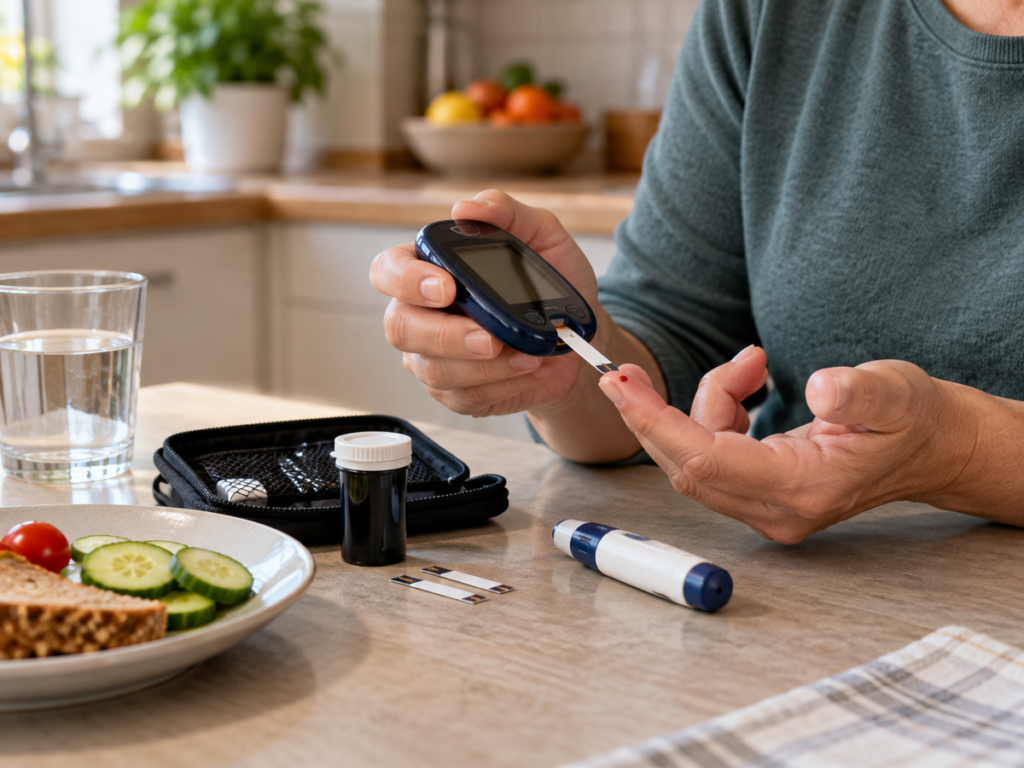
For someone without diabetes who experiences recurring unexplained episodes, a clinician can determine whether glucose testing during symptoms is appropriate. A fingerstick glucose meter can provide a useful measurement, while laboratory plasma glucose testing may be needed to confirm a suspected hypoglycemic disorder. Routine glucose monitoring is not automatically necessary for occasional fatigue or ordinary post-meal drowsiness.
Continuous glucose monitors measure glucose in the fluid between cells rather than directly in the bloodstream. The CDC’s guidance on continuous glucose monitors explains that readings can differ from fingerstick measurements and that conventional glucose testing remains useful for checking accuracy. Unexpectedly low sensor readings, especially when they do not match symptoms, should be interpreted cautiously rather than treated as conclusive evidence of disease.
The relationship between symptoms and measurements is particularly valuable. A documented low glucose concentration during an episode, followed by symptom improvement when glucose is restored, provides stronger evidence than fatigue that simply happens to improve after eating. Recurring readings that appear abnormal deserve clinical review rather than independent attempts to diagnose a metabolic condition.
Recognizing Symptoms That Need Immediate Attention
Suspected hypoglycemia requires prompt attention in someone at risk, particularly when a glucose measurement confirms a low reading. The CDC’s guidance for treating low blood sugar describes the 15-15 approach for most conscious adults with diabetes. This involves consuming approximately 15 grams of fast-acting carbohydrate, waiting 15 minutes, and checking glucose again, repeating treatment if the reading remains below 70 mg/dL. Individual treatment instructions may differ, especially for people using automated insulin delivery systems.
Glucose tablets, glucose gel, or an appropriate measured serving of regular fruit juice can provide rapidly available carbohydrate. Foods containing substantial amounts of fat or fiber may delay sugar absorption, making them less suitable for immediate correction. Someone following a low-lectin diet should use the recommended hypoglycemia treatment even when that treatment contains an ingredient they ordinarily avoid.
Severe confusion, seizures, loss of consciousness, or an inability to swallow safely require emergency assistance. Food and drinks should never be given by mouth to someone who cannot swallow safely, and prescribed glucagon should be administered when indicated and available. Sudden difficulty speaking, one-sided weakness, or other symptoms suggesting a stroke also require emergency evaluation rather than being attributed to food.
Recurring unexplained episodes deserve medical assessment even when they improve after eating. A review may include medications, nutrition, blood glucose, and other possible causes based on the person’s history. This is particularly relevant when symptoms interrupt daily activities, occur during sleep, or involve fainting or marked confusion.
Addressing Persistent Mental Fatigue Through Dietary Assessment
When mental fatigue becomes a recurring problem, the quality and quantity of food consumed over several days can be more revealing than any single meal. A person who consistently eats small portions may develop fatigue despite choosing ingredients that fit their dietary preferences. Examining overall calorie intake, carbohydrate availability, protein, and nutrient variety can identify gaps that ingredient avoidance alone would never reveal.
Restrictive eating patterns can also reduce intake of nutrients supplied by foods that have been excluded. Iron, vitamin B12, folate, and other nutrients have established physiological roles, and deficiencies may contribute to fatigue or neurological symptoms. Whether testing is appropriate depends on the person’s symptoms, dietary history, medications, and other clinical findings.
A practical dietary assessment can begin with several ordinary days of detailed meal records. Comparing portion sizes, activity demands, hunger patterns, and symptom timing may reveal that lunches are consistently too small or that meals lack sufficient energy for the time between them. Where nutritional intake appears adequate but symptoms persist, the record remains useful because it gives a clinician specific information to examine rather than relying on a broad description of feeling foggy after eating.
Persistent food-associated symptoms should be evaluated according to their actual pattern. Documented low glucose calls for a different response from post-meal sleepiness, recurring digestive discomfort, or fatigue associated with inadequate food intake. Keeping those observations distinct can help determine whether the next useful action is a meal adjustment, nutritional assessment, medication review, or targeted medical investigation.