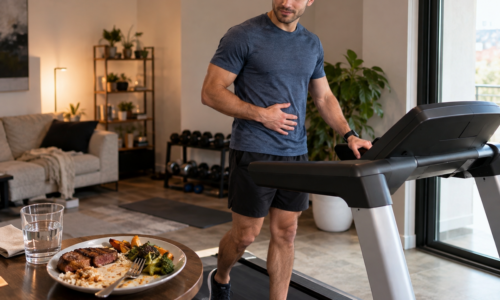
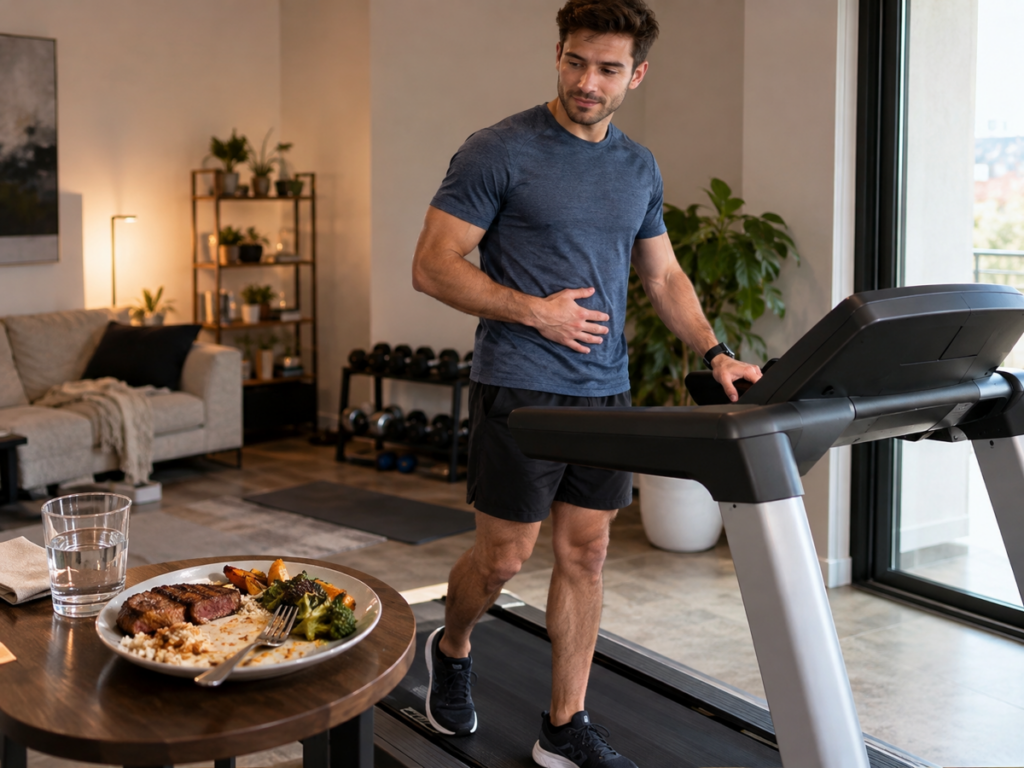
Finishing a substantial meal and immediately beginning a demanding workout can lead to an uncomfortable combination of nausea, abdominal pressure, cramping, and acid reflux. These symptoms sometimes develop after eating familiar foods that ordinarily cause no digestive trouble. The difference may have more to do with the physical demands of exercise than with anything unusual about the meal itself.
Digestion and strenuous exercise place different demands on the body’s circulatory and nervous systems. During vigorous physical activity, blood flow is redistributed toward working muscles, gastrointestinal movement can change, and repeated physical impact may aggravate a full stomach. These responses help explain why running shortly after dinner can feel considerably less comfortable than taking a relaxed walk over the same period.
For people following a low-lectin lifestyle, exercise timing is another factor worth considering when evaluating digestive symptoms. Food preparation and ingredient selection may already receive considerable attention, yet the circumstances surrounding a meal can influence how it feels afterward. Recognizing the effects of physical exertion can help prevent unnecessary dietary restrictions while making regular exercise more comfortable.
What Happens to Digestion After Eating?
Once food enters the stomach, muscular contractions mix it with digestive secretions and gradually move the resulting contents into the small intestine. This process, called gastric emptying, is carefully regulated according to the characteristics of the meal. Liquids generally leave the stomach more rapidly than substantial solid meals, while fat and overall meal size can slow the rate at which stomach contents are delivered to the intestine.
Digestion also requires an adequate supply of blood. Circulation through the gastrointestinal organs increases after eating, helping meet the metabolic demands of digestive tissues and supporting the absorption and transport of nutrients. Hormones and nervous system signals coordinate these activities, adjusting stomach contractions, intestinal movement, and digestive secretions as food progresses through the digestive tract.
These processes continue when someone becomes physically active, but their behavior may change under strenuous conditions. A gentle walk usually places modest demands on the body’s circulation, while intense running or repeated sprint intervals produce a much greater cardiovascular response. Exercise intensity becomes especially relevant when a substantial amount of food remains in the stomach.
Why Strenuous Exercise Can Disrupt Normal Digestive Function
Blood Flow Shifts Toward Working Muscles
During vigorous exercise, skeletal muscles require additional oxygen and energy to sustain repeated contractions. The heart pumps more blood, and circulation is redistributed toward active muscles and the skin, where increased blood flow helps release heat. At the same time, blood flow through the stomach, intestines, and other abdominal organs can decrease.
This redistribution is partly controlled by the sympathetic nervous system, which becomes increasingly active during demanding physical exertion. Reduced circulation through the gastrointestinal organs is known as splanchnic hypoperfusion. Under sufficiently strenuous conditions, it can contribute to disturbances in intestinal function and the integrity of the intestinal lining.
A 2017 systematic review published in Alimentary Pharmacology & Therapeutics examined the gastrointestinal effects of acute exercise. The researchers found that increasing exercise intensity and duration can produce greater disturbances in gastrointestinal blood flow, intestinal permeability, motility, and absorption. Prolonged exertion and exercise in hot conditions were particularly relevant to the severity of these responses.
The distinction between a temporary physiological adjustment and meaningful digestive injury matters. Reduced gastrointestinal circulation during exercise does not mean digestion stops, and the findings from prolonged endurance activity should not be applied indiscriminately to a brief gym session. Nevertheless, the research provides a biological explanation for why sufficiently demanding exercise can make digestive symptoms more likely.
Gastric Emptying and Stomach Discomfort
Gastric emptying does not respond identically to every form of physical activity. Gentle or moderate exercise can have relatively little effect on stomach emptying, while sufficiently strenuous exercise may slow it or otherwise disturb gastrointestinal movement. The response also depends on whether the stomach contains liquids, solids, or a mixture of foods.
A stomach that remains relatively full during intense activity may be more susceptible to nausea, pressure, belching, or the sensation that food is sitting heavily. These symptoms do not necessarily indicate that a meal was poorly prepared or that an ingredient caused an intolerance reaction. The interaction between meal volume, gastric movement, and physical exertion may be sufficient to explain the discomfort.
The effects can become more noticeable when several factors occur together. A large, fat-rich meal followed by vigorous exercise in warm conditions presents different physiological demands from a small snack followed by moderate activity in a cool environment. Such differences help explain why digestive comfort can vary substantially between workouts.
Physical Movement, Abdominal Pressure, and Acid Reflux
Running introduces repeated mechanical forces that can aggravate gastrointestinal symptoms, particularly when the stomach contains a substantial amount of food or fluid. Each stride produces movement through the abdomen, potentially increasing sensations of sloshing, cramping, or nausea. Running also combines these mechanical effects with the circulatory changes associated with cardiovascular exertion.
Acid reflux presents another concern. Reflux occurs when stomach contents move backward into the esophagus, sometimes producing burning discomfort, regurgitation, or a sour taste. Vigorous exercise can aggravate these symptoms in susceptible individuals, particularly when activity begins shortly after a meal.
A 2001 human study published in the Journal of Korean Medical Science examined reflux during running at different intensities. Twelve healthy men performed treadmill exercise beginning 30 minutes after eating, with testing conducted at 40% and 70% of maximal heart rate. The higher-intensity condition produced significantly more reflux episodes and greater esophageal acid exposure.
The study was small and involved only young adult men, so its findings cannot establish how often post-meal running causes reflux in the broader population. However, the results demonstrate that exercise intensity can influence reflux under controlled conditions shortly after eating. They also help explain why someone who comfortably walks after dinner may experience heartburn when attempting a demanding run at the same time.
Heavy Weightlifting Creates Different Pressures
Resistance training can produce gastrointestinal discomfort through somewhat different mechanisms. Heavy squats, deadlifts, and similar exercises often involve forceful abdominal bracing, which increases pressure within the abdomen. This pressure can become particularly noticeable when the stomach is full.
People who already experience reflux may find certain lifting movements uncomfortable after a large meal, especially exercises involving sustained bracing or bending forward. The available research on post-meal reflux is more extensive for endurance exercise than for individual resistance-training movements, so it would be inappropriate to assign the same degree of risk to every lifting routine. Still, allowing a substantial meal time to settle before heavy training is a reasonable practical precaution.
Meal Size, Fat, and Fiber Influence Exercise Comfort
A small snack and a substantial dinner differ considerably in their digestive demands. Larger meals usually require more gastric processing, and their fat, protein, carbohydrate, and fiber content can influence how food moves through the digestive tract. The amount remaining in the stomach when exercise begins helps determine whether vigorous movement feels comfortable.
Fat is particularly relevant because it slows gastric emptying through normal digestive feedback mechanisms. A meal featuring salmon, avocado, olive oil, and roasted vegetables may provide a suitable combination of ingredients for someone following a low-lectin eating pattern. However, eating a generous portion immediately before high-intensity interval training may produce uncomfortable fullness because of the meal’s size and fat content.
Fiber introduces additional considerations. Some fibers increase stool bulk, while certain fermentable carbohydrates can contribute to gas and bloating in susceptible individuals. Large servings of raw vegetables, high-fiber foods, or unfamiliar carbohydrate sources may therefore be less comfortable shortly before demanding exercise.
A 2025 systematic review in the Journal of the International Society of Sports Nutrition examined nutritional approaches to reducing gastrointestinal symptoms during endurance exercise. The review considered carbohydrate formulations, dietary strategies, and practices intended to improve gastrointestinal tolerance during prolonged activity. It found promising results for some approaches, including practicing nutrition routines during training, although the evidence varied between interventions.
That research largely concerns endurance athletes rather than people completing ordinary recreational workouts. Even so, it reinforces the importance of considering meal composition and exercise demands together. A food that is normally well tolerated can become uncomfortable when consumed in a large quantity immediately before strenuous activity.
Why Walking After a Meal Is Usually Better Tolerated
The digestive effects of gentle walking differ considerably from those of strenuous exercise. Walking generally produces less circulatory stress and physical impact than running or intense interval training, making it a practical choice for movement soon after eating. A comfortable pace allows someone to remain active without imposing the same demands associated with vigorous exertion.
Post-meal walking also has measurable effects on blood glucose regulation. As skeletal muscles contract, they take up glucose from the bloodstream for energy, helping reduce the rise in blood glucose that follows carbohydrate consumption. This response is particularly relevant after meals containing appreciable amounts of digestible carbohydrate.
A 2023 systematic review and meta-analysis published in Sports Medicine examined exercise performed before and after eating. The analysis included eight randomized crossover trials involving 116 participants, some with type 2 diabetes and others without the condition. Exercise performed after eating reduced short-term post-meal glucose elevations more effectively than exercise before eating or remaining inactive.
The researchers found that beginning activity relatively soon after a meal appeared especially useful for glucose regulation. However, the included studies were considered at high risk of bias, and the findings concerned immediate blood glucose responses rather than long-term disease prevention. They also did not establish that walking accelerates stomach emptying or prevents digestive discomfort.
For everyday routines, a comfortable 10- to 20-minute walk after eating can be a reasonable starting point. Walking speed should permit easy conversation, and there is no need to turn the activity into a demanding cardiovascular workout. Someone experiencing significant fullness or nausea may prefer to wait until those sensations have settled before beginning.
How Long Should You Wait After Eating Before Exercising?
The amount of time between a meal and a workout should reflect the size of the meal and the demands of the planned activity. There is no universal interval that guarantees an empty stomach or eliminates the possibility of discomfort. Nevertheless, general exercise-nutrition guidelines provide useful starting points for organizing a daily schedule.
The Mayo Clinic’s recommendations for eating and exercise suggest allowing approximately three to four hours after a large meal before exercising. For smaller meals or snacks, the general recommendation is about one to three hours, although some people tolerate a light snack closer to activity. These are practical guidelines rather than fixed physiological rules.
Consider a person who finishes a substantial dinner at 6:00 p.m. and begins running intervals at 6:30 p.m. A significant amount of food may remain in the stomach, especially if dinner contains generous portions of fat and protein. Moving the demanding workout earlier, making the pre-workout meal smaller, or allowing more time after dinner could improve comfort.
Someone who prefers morning exercise might find a different arrangement more convenient. A modest snack before training, followed by a larger breakfast afterward, may be easier than eating a heavy breakfast immediately before working out. However, exercising after many hours without food can leave some people feeling weak or lightheaded, particularly during prolonged or demanding sessions.
Timing recommendations should also accommodate medical circumstances. People taking insulin or medications that can cause low blood glucose may need individualized guidance on exercise, food intake, and glucose monitoring. A routine that works comfortably for a recreational walker may be unsuitable for someone managing diabetes or completing lengthy endurance training.
Planning Low-Lectin Meals Around Exercise
A low-lectin eating pattern often involves deliberate choices about grains, legumes, vegetables, and food preparation. These preferences can be maintained while adjusting meal size and timing to accommodate physical activity. The central consideration is whether the meal provides sufficient energy without creating unnecessary digestive demands immediately before exercise.
For example, a dinner containing grass-fed beef, roasted sweet potatoes, sautéed vegetables, and avocado may fit someone’s preferred dietary approach. It also represents a substantial combination of protein, carbohydrates, fat, and fiber. Scheduling demanding exercise several hours after this meal, or enjoying the meal following the workout, may be more comfortable than training immediately afterward.
When a smaller pre-workout meal is needed, simplicity can be helpful. A modest serving of well-cooked white rice with lean chicken or fish, for someone who includes these foods in their eating pattern, provides carbohydrates and protein without requiring a large meal. Keeping added fats relatively modest may help reduce the sensation of fullness close to exercise.
Cooked vegetables can also be useful when someone finds raw produce difficult to tolerate before physical activity. Peeled, thoroughly cooked zucchini or another familiar vegetable may be more comfortable than a large raw salad, depending on the individual’s response. Cooking changes food texture and can soften plant tissues, but these effects should not be confused with proof that a particular preparation method prevents exercise-related symptoms through lectin reduction.
For people who prefer pressure-cooked grains or other preparation methods associated with low-lectin eating, those preferences can remain part of meal planning. Evidence that a process changes certain lectin activities does not establish that the resulting food will prevent nausea, reflux, or cramping during exercise. Portion size, fat content, fiber composition, and workout intensity remain more directly relevant to the timing discussion.
Regular training also increases the importance of adequate food intake. People who limit common carbohydrate sources may need to plan alternatives that provide enough energy for their activity level. Sweet potatoes, tolerated fruits, and selected grains or other starches can help meet carbohydrate needs within individual dietary preferences.
Meal preparation can make this scheduling easier. Preparing a substantial meal in advance allows it to be eaten after training without requiring a lengthy cooking session when exercise is finished. Perishable foods such as cooked chicken, fish, and rice should be refrigerated promptly rather than left at room temperature throughout a workout, consistent with USDA food-safety guidance.
Exercise Timing Can Complicate the Interpretation of Food Sensitivities
Digestive symptoms that occur after eating are frequently evaluated through the ingredients consumed. However, a meal followed by demanding physical activity presents different circumstances from an identical meal followed by several hours of quiet activity. Exercise timing can therefore become an overlooked factor when someone is trying to identify the source of recurring discomfort.
Consider a meal that appears in a food journal several times without any accompanying symptoms. On another occasion, the same meal is followed by an intense workout and then abdominal cramping or nausea. The timing does not establish that exercise caused the symptoms, but it provides a plausible explanation that deserves consideration before the meal’s ingredients are excluded.
Recording a few details alongside food intake can help reveal patterns. Useful information includes approximate meal size, major ingredients, eating time, exercise type, workout intensity, and the timing and character of any symptoms. Notes about heat, hydration, and unusually demanding training sessions may also be informative.
The most useful comparisons involve similar meals consumed under reasonably similar conditions. If reflux occurs primarily during workouts that begin shortly after dinner, changing the interval between eating and exercising provides a practical way to examine the relationship. If symptoms persist regardless of workout timing, further investigation may be appropriate.
This approach is particularly relevant when dietary restrictions are already extensive. Removing additional foods without examining other possible contributors can unnecessarily reduce variety and complicate meal planning. Exercise timing offers a variable that can often be adjusted without changing the ingredients themselves.
When Digestive Symptoms Need Medical Attention
Occasional mild nausea, fullness, or reflux during strenuous exercise may improve when meal timing, portion size, or exercise intensity changes. Persistent symptoms deserve closer attention, particularly when they occur outside workouts or progressively interfere with normal eating and physical activity. Repeated vomiting, unexplained weight loss, difficulty swallowing, or recurrent abdominal pain should not simply be attributed to exercising too soon after meals.
The National Institute of Diabetes and Digestive and Kidney Diseases identifies persistent heartburn, regurgitation, swallowing difficulties, and certain other symptoms as reasons to seek medical evaluation. Severe abdominal pain, gastrointestinal bleeding, fainting, or chest pain during exertion can indicate a more serious problem. Sudden or severe symptoms warrant urgent assessment, particularly when chest pain is accompanied by shortness of breath, sweating, or lightheadedness.
Exercise-related digestive symptoms can also be influenced by dehydration, heat exposure, and the intensity or duration of training. Reducing exercise intensity, adjusting food timing, and maintaining appropriate hydration may help with ordinary discomfort, but these measures are not substitutes for investigating persistent or severe symptoms.
Making Meal Timing Part of a Sustainable Exercise Routine
The easiest exercise schedule to maintain is often one that fits around established eating habits. Someone who exercises after work may find it convenient to have a smaller afternoon snack, complete the workout, and eat dinner afterward. A person who prefers exercising later in the evening may instead benefit from having dinner earlier and allowing a longer interval before strenuous activity.
Schedules do not always permit several hours between eating and exercise. On those occasions, changing the type of workout can be more practical than skipping a meal or substantially reducing food intake. Gentle walking, comfortable mobility exercises, or another low-intensity activity may be suitable shortly after eating, while demanding intervals and heavy lifting can be reserved for a time when the stomach is less full.
For people who frequently experience digestive discomfort during exercise, changing one factor at a time can make the results easier to interpret. Adjusting the meal-to-workout interval while keeping the meal and exercise routine relatively consistent may reveal useful patterns over several sessions. The same approach can be applied to portion size or meal composition if timing changes alone do not help.
Regular exercise also creates opportunities to establish predictable eating routines. Preparing meals ahead, identifying familiar pre-workout foods, and arranging substantial meals around demanding training sessions can reduce last-minute dietary decisions. For someone following a low-lectin lifestyle, these habits allow ingredient preferences and food preparation practices to remain consistent while exercise timing is adjusted according to practical experience.
One useful distinction is that a meal does not need to be replaced simply because it feels uncomfortable before a demanding workout. The same ingredients may be suitable at another point in the day, when physical exertion is less likely to interfere with gastrointestinal comfort. Treating meal timing as a separate factor provides a more precise way to evaluate digestive symptoms while preserving foods that are otherwise well tolerated.