Starting a low-lectin lifestyle often changes the way people approach grocery shopping, cooking, and familiar meals. Foods that once seemed straightforward may contain ingredients that someone following a low-lectin eating plan intends to limit. The difficulty becomes particularly noticeable with packaged foods, ingredient substitutions, and restaurant meals, where the original ingredients are not always obvious.
Many beginners concentrate on avoiding a short list of foods, including wheat, certain legumes, and some nightshade vegetables. That provides a useful starting point, but ingredients frequently appear in unexpected forms. A gluten-free cracker might contain chickpea flour, a dairy-free sauce might rely on cashews, and a simple restaurant entrée may include a soybean-based marinade. Recognizing these ingredient patterns can make everyday food choices considerably easier.
There is also a scientific distinction worth understanding from the beginning. Lectins are a diverse group of carbohydrate-binding proteins, and finding a lectin-containing ingredient in a food does not establish how much biologically active lectin remains after processing. Cooking can substantially reduce the activity of certain lectins, particularly those found in legumes, while evidence supporting broad health benefits from restricting dietary lectins remains limited. For readers choosing a low-lectin approach, the practical goal is to understand the ingredients and preparation methods involved rather than assume every trace of a lectin-containing food represents a health concern.
1. Mistaking Gluten-Free Products for Low-Lectin Foods
Gluten-free packaging is one of the easiest places for beginners to make an incorrect assumption. A product labeled gluten-free may seem compatible with a low-lectin eating plan because it excludes conventional wheat-based ingredients. However, gluten and lectins are different categories of proteins, and removing gluten does not establish that a product contains little lectin activity.
Manufacturers frequently replace wheat flour with alternative ingredients that provide structure, protein, or binding properties. Chickpea flour, lentil flour, and soy flour are examples commonly used in specialized food products. These substitutions can produce appealing gluten-free foods, but they may introduce ingredients that someone following a particular low-lectin plan has chosen to avoid.
The distinction is especially noticeable with pasta and crackers. Traditional wheat pasta might be replaced with a gluten-free product made primarily from chickpeas or red lentils, while grain-free crackers may contain legume flours alongside other ingredients. Commercial cooking and processing can change lectin activity, so the presence of these ingredients does not reveal how much active lectin remains in the finished product. The ingredient list does, however, help determine whether the product fits the reader’s chosen dietary restrictions.
The FDA’s gluten-free labeling requirements establish conditions for products carrying a gluten-free claim, including limits on gluten content. Those requirements do not measure lectins or establish a low-lectin standard. The same distinction applies to products advertised as grain-free, high-protein, or plant-based, since these descriptions communicate characteristics unrelated to their final lectin activity.
A useful shopping habit is to examine the complete ingredient list rather than relying on the product’s most prominent marketing claim. Ingredients generally appear in descending order by weight, making the beginning of the list particularly informative about a food’s composition. The FDA’s explanation of ingredient labeling also describes how manufacturers identify ingredients and certain additives on packaged products. Smaller amounts of ingredients appearing later in the list may still matter when someone is deliberately avoiding a particular food.
Alternative products can provide convenient options without requiring unusual specialty ingredients. Cassava-based pasta, selected rice products, and crackers made with almond or coconut flour may fit some low-lectin plans more comfortably than legume-based alternatives. Their suitability still depends on the complete formulation, and alternative flours should not be assumed to behave identically in home recipes. Coconut flour, for example, generally absorbs considerably more liquid than wheat flour, while almond flour has different binding and structural properties.
2. Assuming Plant-Based Substitutes Are Automatically Low in Lectins
Replacing familiar ingredients with plant-based alternatives creates another opportunity for unexpected ingredient intake. Many products developed to replace meat, dairy, and traditional protein sources rely heavily on legumes because they provide protein, texture, and binding properties. The finished product may look nothing like the soybean, pea, or other ingredient from which it was manufactured.
Plant-based burgers frequently contain soy protein, pea protein, or combinations of concentrated plant proteins. Dairy-free beverages may use soybeans or peas, while some vegan cheeses and creamy sauces rely on cashews. Protein powders, prepared meal replacements, and snack bars can contain similar ingredients, sometimes in forms that are less recognizable than whole beans or nuts.
Processing differences matter when evaluating these foods. A cooked soybean, soy protein isolate, fermented soybean product, and whole soy flour are not chemically identical preparations. Heating, extraction, and other manufacturing steps may reduce or remove lectin activity to different degrees, depending on the process. Consequently, a finished product containing pea or soy protein should not automatically be treated as having the same lectin activity as its raw source ingredient.
Cashew-based products raise a related issue for readers following dietary plans that specifically restrict cashews. Dairy-free cheese, cream sauces, and desserts may contain substantial amounts of cashews even when the front of the package emphasizes a creamy texture or plant-based formulation. Avoiding cashews can be a legitimate part of an individual’s chosen eating pattern, but their inclusion in a food does not establish that the finished product contains a harmful amount of active lectins.
Practical substitutions become easier when the role of the original ingredient is considered. A sauce that needs richness might use coconut milk, olive oil, or an appropriate dairy product instead of cashew cream. Someone avoiding legume-based burgers could prepare a patty from beef, turkey, or another preferred protein, using familiar seasonings rather than relying on a heavily formulated meat substitute.
Protein powders deserve particular attention because their ingredients may differ considerably between brands and varieties. A product promoted as a convenient protein source might rely almost entirely on pea protein, while another uses egg-white protein or a blend of several sources. Checking the actual protein source and secondary ingredients is more informative than assuming a product is suitable because it is dairy-free, vegan, or marketed toward health-conscious consumers.
3. Believing Soaking or Slow Cooking Makes Dried Beans Safe
Dried beans introduce a concern that extends beyond personal dietary preferences. Certain raw or inadequately cooked beans contain biologically active lectins capable of causing acute gastrointestinal illness. Red kidney beans are particularly associated with phytohaemagglutinin, commonly abbreviated PHA, which can produce nausea, vomiting, abdominal pain, and diarrhea when consumed in sufficient amounts.
This is one area where food-safety evidence supports specific preparation requirements. In January 2026, the European Food Safety Authority published an assessment examining risks associated with plant lectins in food. Its evaluation identified inadequately cooked beans as a genuine health concern, drawing on evidence that included human poisoning reports and experimental research. The assessment also recognized that appropriate preparation can effectively deactivate the lectins responsible for this hazard.
The EFSA’s 2026 guidance on lectins and undercooked beans recommends soaking dried beans for approximately 6 to 12 hours until softened, discarding the soaking water, and boiling them in fresh water at 100°C (212°F) for at least 30 minutes. Cooking should continue longer when necessary for the particular bean variety to become properly tender. The recommendation concerns safe preparation of dried legumes and does not establish that every variety becomes completely free of all lectins.
A common beginner mistake involves assuming that soaking accomplishes the same thing as thorough cooking. Soaking hydrates dried beans and may reduce some water-soluble compounds, but its effects on lectin activity vary with the bean variety and soaking conditions. Beans that have softened considerably during soaking are still uncooked, and soaking alone does not provide the heat treatment needed to deactivate potentially hazardous PHA.
Slow cookers introduce another concern because their operating temperatures may not provide the sustained boiling conditions required for raw dried kidney beans. The gradual heating process can leave potentially harmful lectin activity in beans that appear cooked. Health Canada’s guidance on lectins in dry legumes specifically advises against using slow cookers to cook dried red kidney beans and recommends soaking followed by vigorous boiling.
Pressure cooking offers another way to cook many dried legumes because pressure cookers reach temperatures above the normal boiling point of water. However, pressure-cooking times differ by bean variety, appliance, and preparation method, and there is no single verified setting that applies to every dried bean. Following reliable, ingredient-specific instructions is preferable to assuming that any pressure-cooking cycle guarantees adequate lectin deactivation.
Commercially canned beans provide a useful alternative when convenience and food safety are priorities. The heat treatment used during proper commercial canning sufficiently reduces the PHA hazard associated with raw or undercooked kidney beans. Canned beans can generally be used according to the manufacturer’s instructions without repeating the soaking and boiling process required for raw dried beans.
For someone following a low-lectin eating plan, choosing whether to include properly cooked legumes remains separate from the question of safe preparation. A food can be safe from PHA poisoning while still falling outside an individual’s preferred ingredient list. This distinction matters because preparation recommendations designed to prevent foodborne illness should never be replaced by dietary assumptions about what is supposedly low in lectins.
4. Assuming Peeling, Deseeding, Sprouting, or Fermenting Eliminates Lectins
Food preparation plays an important role in many low-lectin eating plans, but beginners can overestimate what individual techniques accomplish. Peeling vegetables, removing seeds, fermenting grains, and sprouting legumes are sometimes described as ways to reduce particular plant compounds. Each process changes food differently, and none should be treated as a universal method for eliminating lectins.
Tomatoes, peppers, and eggplants are common examples because they belong to the nightshade family. Some low-lectin approaches recommend peeling or deseeding selected nightshade vegetables, particularly when following a more restrictive ingredient plan. These techniques remove portions of the vegetable and can change texture or flavor, but reliable evidence does not establish that peeling or deseeding consistently eliminates lectin activity across all nightshades.
The distinction becomes particularly relevant when preparing tomato-based dishes. A cook might choose peeled tomatoes, remove the seeds from fresh tomatoes, or purchase a strained tomato product to match a preferred preparation style. However, a strained sauce should not automatically be described as lectin-free simply because the skins and seeds have been removed. Processing methods and the original ingredient both affect the finished food, and there is no widely accepted measurement standard establishing that every such product qualifies as low in lectins.
The German Federal Institute for Risk Assessment’s evaluation of lectins in plant foods explains that many lectin-containing foods, including tomatoes, can be consumed raw without an expected harmful effect from their normal dietary use. The agency identifies inadequately prepared legumes as the more significant food-safety concern. This distinction helps separate a voluntary low-lectin preparation preference from a technique that is necessary to prevent acute illness.
Fermentation introduces another set of variables. Sourdough fermentation changes dough through microbial activity, acid production, and enzymatic reactions, but the results depend on the flour, microorganisms, fermentation conditions, and duration. A sourdough label does not guarantee a particular reduction in lectin activity, especially when manufacturers use different production methods.
A 2021 experimental study examining wheat germ agglutinin during sourdough fermentation found that selected bacterial cultures reduced the measured concentration of this wheat lectin under specific laboratory conditions. Other tested conditions produced different results, showing that the process was dependent on the microorganisms and reactions involved. The research examined changes in wheat germ agglutinin rather than demonstrating improved digestive health in people eating the resulting bread.
Sprouting presents similar limitations. Germination can change the chemical composition of seeds and legumes, including the activity of certain lectins, but the effects vary by species and process. Sprouting raw kidney beans does not replace the cooking needed to address their PHA content, and raw sprouts may introduce separate microbial food-safety concerns. Anyone using sprouts should distinguish the nutritional changes associated with germination from the safety requirements of the original ingredient.
For everyday cooking, preparation methods are most useful when their purpose is clearly understood. Removing pepper seeds may change a dish’s texture, while fermentation can develop sourdough flavor and modify components of the dough. Proper boiling of dried kidney beans serves a different purpose because it directly addresses a documented food-safety hazard. Treating these processes as distinct techniques prevents a preferred preparation method from being mistaken for a guarantee of complete lectin removal.
5. Overlooking Sauces, Dressings, Toppings, and Restaurant Ingredients
The main ingredient of a meal often receives most of the attention, while smaller components escape notice. A piece of grilled fish, a chicken salad, or a vegetable-based entrée may appear suitable for a low-lectin eating plan until the marinade, dressing, garnish, or side dish is considered. These additions can introduce ingredients that were absent from the original meal description.
Soy sauce is one example because it frequently appears in marinades, stir-fries, glazes, and dipping sauces. Traditional versions are made through fermentation involving soybeans and often wheat, although ingredients vary among products. Fermentation changes the original ingredients, so soy sauce cannot simply be treated as chemically equivalent to raw soybeans. Nevertheless, the presence of soy or wheat may matter to someone who has chosen to limit those ingredients.
Peanut sauces, miso-based dressings, and certain prepared marinades create similar situations. A sauce described as savory, creamy, or nutty may contain peanuts, soy products, or other ingredients that a reader intends to avoid. Commercial sauces can also contain starches, flours, or protein ingredients used for thickening and texture, making the complete formulation more informative than the sauce’s name.
Salad toppings introduce additional possibilities. Roasted chickpeas, peanuts, crunchy legumes, and prepared protein crumbles sometimes accompany otherwise familiar combinations of leafy greens, avocado, vegetables, and grilled protein. These toppings are easy to overlook because they may be mentioned only briefly in a menu description or added during final assembly. Requesting a salad without the unwanted topping is generally more practical than trying to determine its lectin activity after the meal has been served.
Packaged sauces and dressings require the same ingredient awareness as other processed foods. The FDA requires disclosure of major food allergens, including soybeans, wheat, and peanuts, on foods subject to its allergen-labeling rules. However, an allergen statement is not a complete guide to low-lectin eating, and lectins themselves are not a regulated major-allergen category. Readers should examine the full ingredient list even when no familiar allergen warning appears.
Dining out calls for a slightly different strategy because complete ingredient lists are not always available. Rather than requesting a broadly defined lectin-free meal, which restaurant staff may not recognize, customers can ask questions about the specific ingredients they are avoiding. Asking whether a marinade contains soy sauce, whether a dressing uses peanut butter, or whether a plant-based burger contains pea protein usually provides clearer information.
Simple preparation requests can reduce uncertainty without substantially changing a meal. Fish or chicken prepared without a premade marinade, vegetables served without a prepared sauce, or a salad dressed with olive oil and lemon are familiar options in many restaurants. Staff may still have limitations involving premixed ingredients and kitchen procedures, so a restaurant should not be expected to verify the absence of all lectins. People managing diagnosed food allergies or celiac disease must also address cross-contact and other requirements specific to those conditions.
Recognizing Ingredient Patterns in Everyday Meals
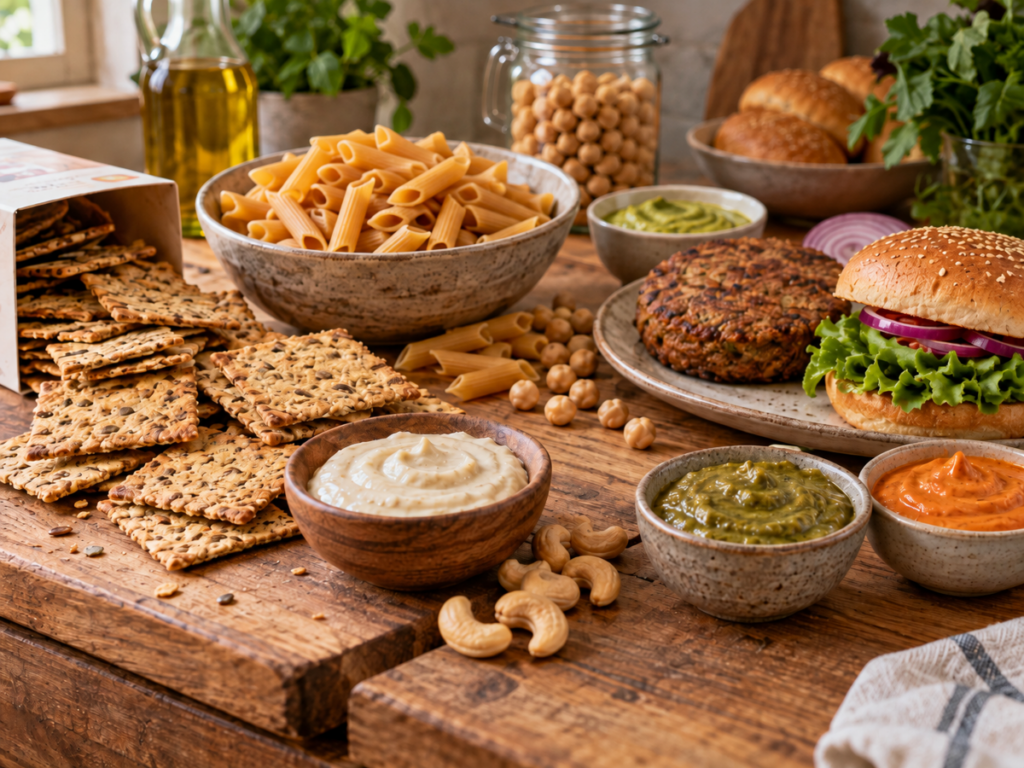
A useful way to reduce repeated guesswork is to learn how frequently restricted ingredients appear under different product descriptions. Chickpeas can be found in pasta, crackers, hummus, and flour blends, while soybeans appear in beverages, sauces, meat alternatives, and protein products. Peanuts may be present in dressings and prepared sauces, and cashews frequently serve as the creamy base in dairy-free products. Recognizing these patterns makes shopping and menu reading more efficient because attention can be directed toward the ingredients that actually matter to a particular eating plan.
It is also useful to keep ingredient identification separate from interpreting digestive symptoms. Bloating or discomfort after eating a legume-based product may involve fermentable carbohydrates, fiber, portion size, or another component of the meal. Finding lectin-containing ingredients on the label does not establish that lectins caused the reaction, particularly when cooking or manufacturing may have substantially changed their activity.
Harvard’s review of lectins and their dietary effects describes the limited human research concerning dietary lectins and their proposed long-term health effects. Legumes and whole grains also provide meaningful amounts of fiber, protein, vitamins, and minerals, so removing large food categories can create nutritional gaps if suitable alternatives are not included. A deliberately restricted ingredient list is most practical when the remaining foods still supply adequate nutrition.
A simple record of unfamiliar packaged foods, ingredient changes, and preparation methods can help identify recurring dietary patterns. Recording the complete meal, portion size, timing, and relevant circumstances provides more context than assigning every uncomfortable reaction to a single ingredient. Persistent or significant digestive symptoms should be medically evaluated rather than managed through progressively broader food elimination alone.
Familiarity with a smaller collection of dependable ingredients can also make meal preparation less complicated. Keeping a preferred pasta alternative available, preparing a basic dressing from known ingredients, and maintaining a few adaptable recipes reduces dependence on packaged foods with unfamiliar formulations. These routines are especially useful during busy weeks because they allow meals to be assembled from ingredients whose preparation requirements are already understood, without having to reconsider the entire dietary framework each time food is prepared.