A campus meal plan can provide plenty of food without providing much control over what goes into it. Chicken arrives already seasoned, vegetables change daily, and a dormitory refrigerator may hold only a few groceries. For a student following a low-lectin eating pattern, those small limitations can matter more than knowing which foods appear on a preferred ingredient list.
Campus eating becomes easier when students identify dependable meals before their schedules get crowded. Dining hall menus, food labels, basic dorm equipment, and a modest grocery budget can all work together. The aim is to build enough reliable options for weekdays, late study sessions, and meals with friends without having to investigate every ingredient from scratch.
Decide What Your Low-Lectin Plan Actually Requires
Low-lectin plans differ in which foods they limit. Some students avoid certain legumes and wheat products, while others also restrict tomatoes, peppers, or particular seeds. Keeping a short list of personal priorities is more useful in a dining hall than trying to classify every dish as entirely acceptable or unacceptable, when preparation details are missing.
Lectins are a varied group of carbohydrate-binding proteins found in many plant foods. Certain active lectins, notably phytohaemagglutinin in raw or inadequately cooked kidney beans, can cause illness, but that established food-safety problem does not extend to every lectin-containing meal. The Harvard T.H. Chan School of Public Health’s overview of lectins explains how preparation changes lectin activity and why broad claims about human health effects remain unproven.
A 2026 European Food Safety Authority assessment examined risks associated with phytohaemagglutinin and identified inadequate bean cooking as a concern. It found that properly processed beans do not present the same risk, while available evidence was insufficient to characterize the risks of other plant lectins. That separates a personal food restriction from a demonstrated cooking hazard.
Find Reliable Choices at the Dining Hall
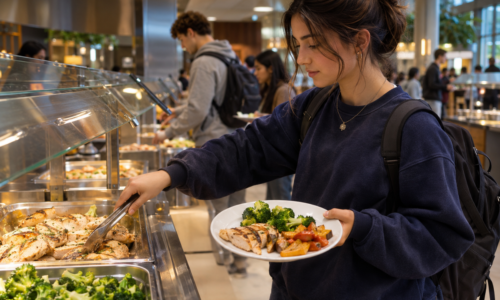
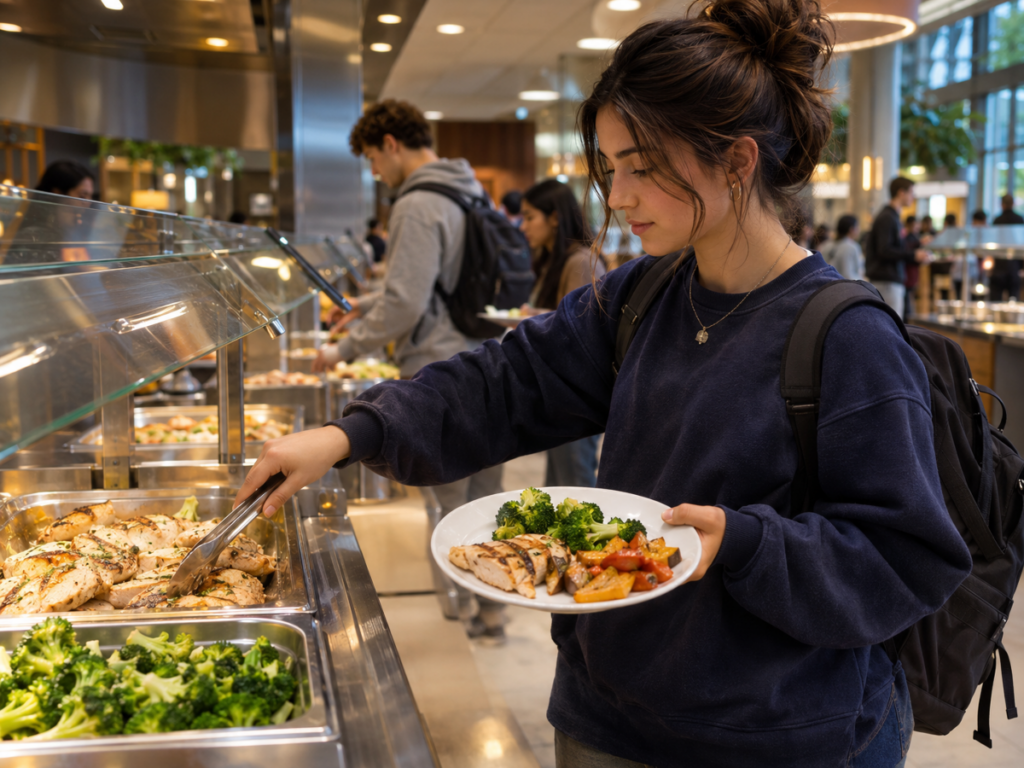
The easiest station to use is often the one serving relatively plain food. Roasted chicken, fish, eggs, or another familiar protein can be combined with cooked vegetables and a suitable starch when available. Broccoli, carrots, cauliflower, leafy greens, and other preferred vegetables allow a student to change the meal without changing its basic structure.
Preparation matters more than a promising menu name. Chicken labeled as grilled may have a soy-based marinade, and roasted vegetables may arrive in a tomato sauce or with ingredients not listed on the serving sign. Once students learn which dishes are prepared simply and which sauces are added separately, they can make decisions much faster during a short lunch break.
Breakfast counters often offer a dependable starting point, particularly when eggs, fruit, and plain dairy foods are available. A student who tolerates yogurt or cottage cheese can combine it with fruit and other suitable foods, while someone avoiding dairy may prefer eggs with a filling side. Breakfast needs enough food to last through morning classes, so restricting cereal or toast should not also mean neglecting an adequate source of energy.
Salad bars are flexible but can produce surprisingly light meals if they contain mostly lettuce. Adding a suitable protein, several vegetables, and an appropriate dressing makes the plate more substantial. Students who choose to limit tomatoes, peppers, or cucumbers can select other toppings without assuming those foods are unsafe for everyone; peeling or removing seeds should not be treated as a proven way to eliminate all lectins.
A rotation of three or four dependable dining hall combinations is often more useful than an elaborate weekly menu. Students can note which stations regularly serve simple proteins, which vegetables usually appear, and where suitable additions are available. Rotating those components helps prevent the same small plate from becoming the default meal every day.
Ask About Ingredients Before They Become a Problem
Dining websites sometimes provide complete ingredient lists, nutrition information, or daily menus, although the level of detail varies by institution. When a label is incomplete, useful questions include whether the meat is marinated, whether a sauce contains wheat or soy, and whether plain vegetables are available. Asking about recurring dishes can prevent repeated guesswork.
Some institutions also provide access to dining dietitians. Yale Hospitality’s dietary accommodations information, for example, describes online ingredient details, allergy labeling, and a process for students who need dietary support. Preference-based and medically necessary restrictions may follow different procedures.
A food allergy must be handled separately from a low-lectin preference. Ingredients that appear compatible with a chosen eating pattern can still contain allergens, and shared serving utensils introduce cross-contact risks. Students with diagnosed allergies should use their university’s designated allergy procedures rather than relying on the appearance of a dish or an informal request at the counter.
Build a Dorm Kitchen Around the Rules and Available Space
Before buying an appliance, students should check their residence hall’s current policies. Some buildings permit individual microwaves and miniature refrigerators but prohibit hotplates, air fryers, or pressure cookers in bedrooms. The University of Minnesota’s residence hall packing guidance illustrates how specific these rules can be, including limits on microwave wattage and refrigerator size.
When microwaves are permitted, a microwave-safe bowl with a vented cover, a food thermometer, and a few washable containers can handle a surprising amount of meal preparation. A refrigerator thermometer is worth the small amount of space because a compact refrigerator may not maintain the temperature shown on its dial. Students with access to a shared kitchen can cook a wider range of foods there, provided the appliances and food-storage arrangements meet campus rules.
Refrigerator space should determine the shopping list rather than the other way around. One or two refrigerated proteins, a small supply of produce, and frozen vegetables may fit better than ingredients for seven different recipes. Shelf-stable unopened fish pouches, dried seasonings, and olive oil can remain outside the refrigerator when their labels permit it, leaving cold space for foods that genuinely require refrigeration.
Three Dorm-Friendly Meal Combinations
Chicken and vegetable bowl. Combine commercially prepared, fully cooked chicken with microwave-heated broccoli or cauliflower, then add olive oil, lemon, and herbs. Include a compatible cooked starch if the meal needs more substance, and check the chicken’s seasoning label before purchasing it. Follow the vegetable package instructions and reheat refrigerated cooked chicken to 165°F (74°C).
Salmon and avocado plate. Open a shelf-stable salmon pouch just before eating and combine it with washed greens, sliced avocado, and lemon juice. A suitable side dish or extra vegetables can make it a fuller meal, depending on appetite and activity. Follow package storage instructions and refrigerate any leftovers promptly instead of leaving opened fish at room temperature.
Egg and fruit breakfast. Commercially packaged, fully cooked hard-boiled eggs offer an option where students cannot use a stove. Pair them with fruit and a suitable additional food, such as plain yogurt, cottage cheese, or another preferred source of carbohydrates and energy. Keep the eggs refrigerated as directed on the package, and carry perishable breakfast foods in an insulated bag with a cold source when they will be eaten later.
These combinations rely on ingredients that are already cooked or need only straightforward heating and assembly. They also avoid the sanitation difficulties of preparing raw poultry or fish in a bedroom without a full kitchen. Students who have a shared kitchen can prepare larger meals there and portion them into properly refrigerated containers for another day.
Shop for Meals You Will Actually Eat
A dining plan changes the economics of grocery shopping. Students who already receive most lunches and dinners through campus dining may need groceries only for early breakfasts, late evenings, and occasional meals when the dining hall is closed. Buying enough fresh produce for a full week of home cooking can create waste when the refrigerator is small and most meals are eaten elsewhere.
Frozen vegetables, eggs, canned salmon, seasonal fruit, carrots, and suitable plain dairy products can be more practical than specialty diet-branded snacks. Price comparisons should account for the number of usable portions, not merely the cost of the package. A larger bag is rarely a bargain if half its contents spoil or cannot fit safely into the refrigerator.
Ingredient labels are especially relevant for seasoned rice, prepared meats, soups, sauces, and snack products. Students restricting wheat or soy may find those ingredients in products whose front labels emphasize chicken or vegetables. Reading the complete ingredient list before buying multiples of an item can spare both money and disappointment.
Understand What Commercial Processing Changes
Beans provide a useful example of why low-lectin preferences and food safety should not be confused. The U.S. Food and Drug Administration’s guidance on naturally occurring food toxins explains that raw or undercooked kidney beans may contain harmful levels of phytohaemagglutinin, whereas commercially canned and properly cooked kidney beans contain low levels that are not considered harmful. A student may still choose to exclude beans from a personal low-lectin plan, but canned beans should not be described as equivalent to raw ones.
Students should not try to make dried kidney beans safe with improvised microwave cooking or a low-temperature slow cooker. Appropriate soaking followed by sufficient boiling is central to established preparation guidance, and ordinary slow cooking may not reach conditions needed to inactivate the problematic lectin. Where a full kitchen is unavailable, commercially canned beans are the safer convenience option for students who choose to eat them.
Refrigerated foods need more attention in a dorm than their small portions might suggest. According to the CDC’s food-safety guidance, refrigerators should remain at 40°F (4°C) or below, and perishables should be refrigerated within two hours, or within one hour when exposed to temperatures above 90°F (32°C). A thermometer makes the temperature measurable, especially in a shared refrigerator.
Cooked leftovers should be cooled promptly in shallow containers and refrigerated rather than being left on a desk overnight. The FoodSafety.gov cold-storage chart lists three to four days for many cooked leftovers held at the appropriate refrigerator temperature, although individual package instructions may require earlier use. An unusual smell is not a reliable test for whether perishable food is safe to eat.
Microwave heating can leave cooler areas in a dish, even when the edges are steaming. Stirring when possible, covering food appropriately, and following package standing times help produce more even heating, but a thermometer is needed to confirm that reheated leftovers reach 165°F (74°C). Shared utensils, sink surfaces, and cutting boards should also be cleaned before preparing ready-to-eat food, particularly after anyone has handled raw ingredients.
Unopened shelf-stable foods are useful in a dorm, but opening a pouch or can changes the storage requirements. Fish, prepared meats, cut produce, and other perishables must be handled according to their labels and normal refrigeration rules once opened. Students should also check residence hall policies before removing dining hall food for later use, since some meal plans prohibit taking food away except through approved containers or programs.
Replace the Nutrition That Restricted Foods Would Have Provided
Removing legumes and whole grains can reduce familiar sources of fiber, minerals, B vitamins, and carbohydrate energy. Students who limit these foods should consider what remains on the plate rather than focusing only on what has been left out. Fruit, a broad range of suitable vegetables, and other compatible foods can contribute fiber and nutrients, while appropriate starches help meet energy needs during long academic days or athletic training.
The Dietary Guidelines for Americans, 2025–2030 emphasize nutrient-dense foods from several food groups, including vegetables, fruit, protein foods, and whole grains. A student following a more restrictive eating pattern can still use that emphasis on adequate nutrition when selecting alternatives. Students with extensive exclusions, ongoing gastrointestinal symptoms, or unusually high athletic demands may benefit from reviewing their intake with a registered dietitian.
A simple food record can provide helpful context when someone is exploring personal tolerance. Recording what was eaten, how it was prepared, the approximate meal time, and any recurring symptoms offers more useful detail than labeling an entire dining hall meal as a success or failure. The notes should be treated as observations rather than proof that lectins caused a particular symptom, since other ingredients, eating patterns, and medical conditions can produce similar experiences.
Plan for Late Classes and Meals With Friends
Late laboratories, work shifts, and long study sessions can leave students hungry after the dining hall closes. Keeping a few dependable foods available prevents every missed dinner from becoming an emergency grocery trip. A shelf-stable fish pouch, fresh fruit, and a suitable ready-to-eat side may be enough for an improvised meal, while a properly refrigerated prepared dish offers another option when a microwave is available.
Social meals may involve pizza, restaurant food, shared snacks, or celebrations where ingredient information is limited. Students can review menus beforehand, look for simply prepared proteins and vegetables, or ask about substitutions without expecting a kitchen to redesign every dish. The amount of flexibility appropriate for a personal food preference will differ from the precautions required for an allergy or medically prescribed diet.
Roommates also influence how a dorm food routine works. Agreeing on refrigerator space, labeling containers, and keeping food preparation areas clean can prevent everyday friction. That matters when prepared meals must stay refrigerated for several days.
When the Meal Plan Does Not Provide Enough Options
Some campus menus rely heavily on pasta, beans, sandwiches, or mixed dishes that are difficult to modify. If suitable meals are consistently unavailable, recording the specific times, stations, and ingredients involved makes a conversation with dining services more productive. A request for plain protein, an unsauced vegetable serving, or more accessible ingredient details is easier for staff to evaluate than a general complaint about the menu.
Students with medically necessary dietary restrictions should use the school’s formal accommodation process, which may involve student accessibility services and a dining dietitian. Those following low-lectin eating as a personal preference can still ask whether alternative preparations, advance menu information, or different dining locations are available. Understanding the actual options may also reveal whether a smaller meal plan, where permitted, would leave sufficient funds for groceries that fill the remaining gaps.