The Oral Microbiome and Gut Health: Why Non-Toxic Dental Care Matters
The human mouth contains a diverse community of bacteria, fungi, and other microorganisms that interact with food long before it reaches the stomach.

The human mouth contains a diverse community of bacteria, fungi, and other microorganisms that interact with food long before it reaches the stomach.
A person can eat carefully selected foods, drink adequate water, and still struggle with constipation, bloating, or the uncomfortable sensation that a bowel movement never quite finishes.
A low-lectin lifestyle can change the way someone thinks about dessert.
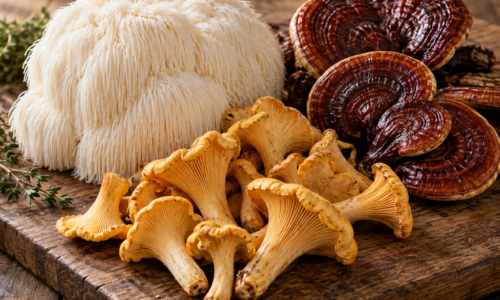
Mushrooms occupy an interesting place in the low-lectin kitchen. They offer deep, savory flavors, satisfying textures, and a range of naturally occurring compounds that have attracted considerable scientific interest.
The phrase “lectin-free” sounds simple, but food rarely works in absolutes. Lectins are a broad group of carbohydrate-binding proteins found throughout nature, including in many plant foods.
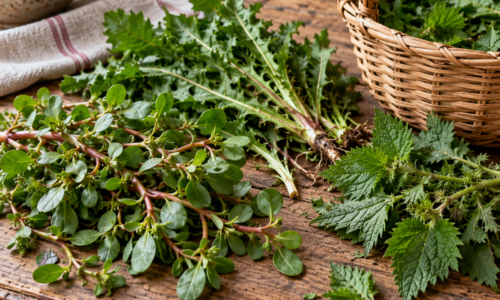
A patch of weeds at the edge of a garden can look very different once you know which plants are edible.
A sharp citrus marinade can visibly change food. Fish turns firmer and more opaque, meat softens at the surface, and vegetables begin to lose some of their raw texture.
Citrus can occupy an awkward place in a low-lectin kitchen.
A low-lectin eating pattern can feel surprisingly good when it removes foods that have been difficult to tolerate, yet a digestive problem sometimes appears after the transition
For people who pay attention to lectins, one of the most practical questions is also one of the hardest to answer: after eating a lectin-containing food, how long does that lectin remain in the body?
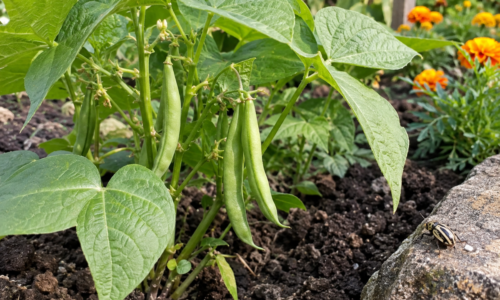
A leaf standing in a field is food to something. Beetles chew it, aphids tap into its sap, caterpillars strip away tissue, and larvae may spend their entire development feeding inside seeds.
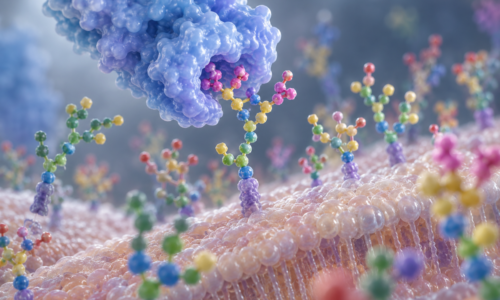
Lectins are often discussed as though they simply “stick to cells,” but that shorthand leaves out the part that makes these proteins biologically interesting.
Lectins are often discussed as though they were a single substance, but the word actually covers a large family of carbohydrate-binding proteins.
Plant proteins are often discussed as though their behavior in the digestive tract can be predicted by one simple property: whether they dissolve in water.
Plant foods rarely contain only one compound that matters to digestion.