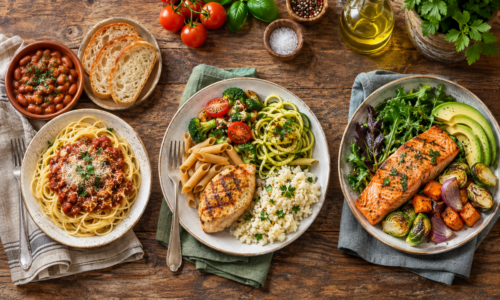
How to Transition to a Low-Lectin Diet in Three Phases
Changing to a low-lectin diet can become complicated when the first step involves removing half the foods in the kitchen.

Changing to a low-lectin diet can become complicated when the first step involves removing half the foods in the kitchen.
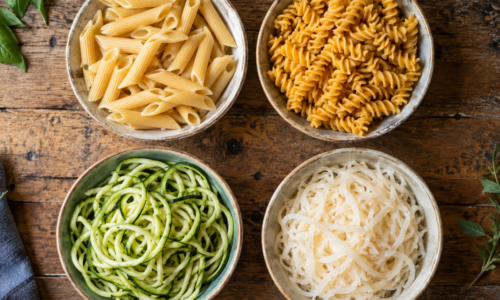
A package of gluten-free pasta can look like an ideal replacement for traditional wheat pasta. The label promises the absence of gluten, and the ingredients might include chickpeas, lentils, corn, or rice.
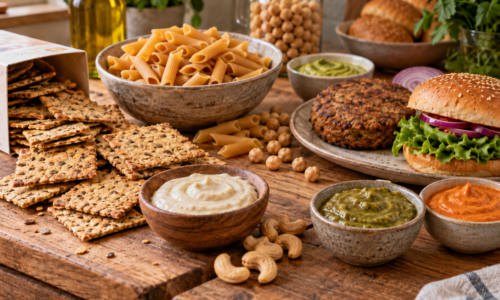
Starting a low-lectin lifestyle often changes the way people approach grocery shopping, cooking, and familiar meals.
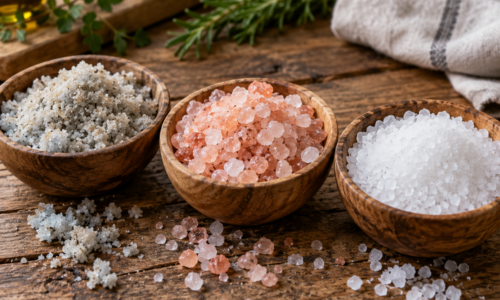
The salt aisle has become surprisingly complicated.
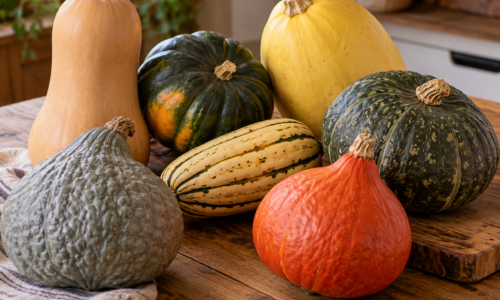
Winter squash offers an impressive range of possibilities in a low-lectin kitchen, from roasted butternut squash and creamy pumpkin soups to spaghetti squash served with olive oil, garlic, and fresh herbs.
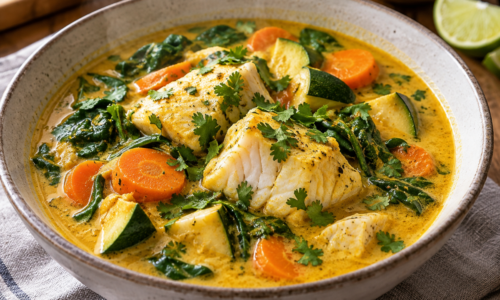
A fragrant coconut curry soup brings together tender pieces of wild-caught fish, aromatic spices, and fresh vegetables in a creamy, golden broth.
A well-stocked pantry can make everyday cooking easier, particularly when it contains ingredients that usually require hours of preparation.
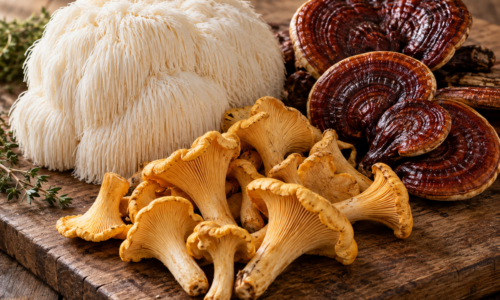
Mushrooms occupy an interesting place in the low-lectin kitchen. They offer deep, savory flavors, satisfying textures, and a range of naturally occurring compounds that have attracted considerable scientific interest.
The phrase “lectin-free” sounds simple, but food rarely works in absolutes. Lectins are a broad group of carbohydrate-binding proteins found throughout nature, including in many plant foods.
Vinegar occupies an unusual place in the kitchen. A tablespoon can brighten roasted vegetables, balance a rich dressing, sharpen a marinade, preserve food, or rescue a sauce that tastes flat.
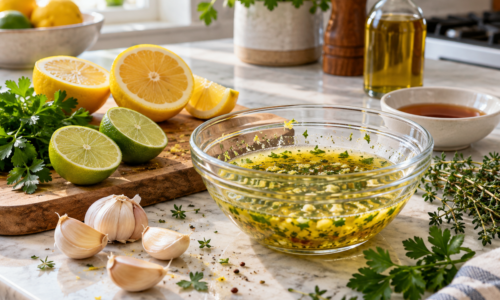
A sharp citrus marinade can visibly change food. Fish turns firmer and more opaque, meat softens at the surface, and vegetables begin to lose some of their raw texture.
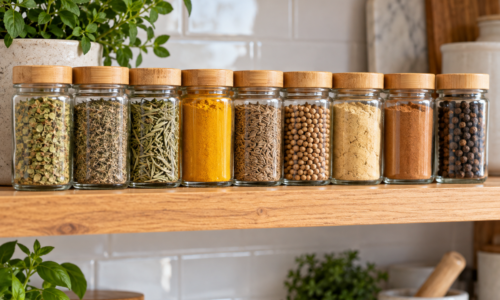
A jar of dried oregano looks simple enough, but spice shopping can become surprisingly complicated when someone is trying to avoid nightshades.
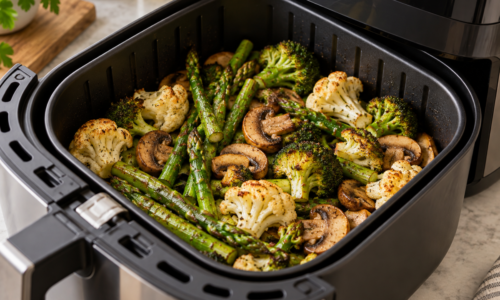
Air fryers have earned a permanent place in many kitchens because they can brown vegetables, crisp proteins, and reheat leftovers with very little added oil.
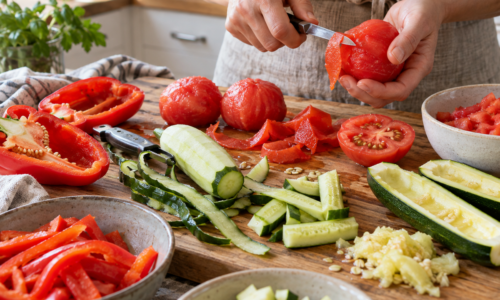
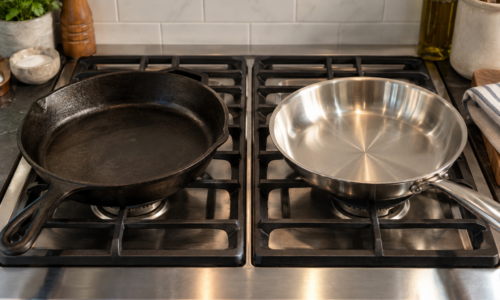
A low-lectin kitchen often gets discussed in terms of ingredients: which foods to emphasize, which foods to limit, and which preparation methods may reduce lectin exposure.
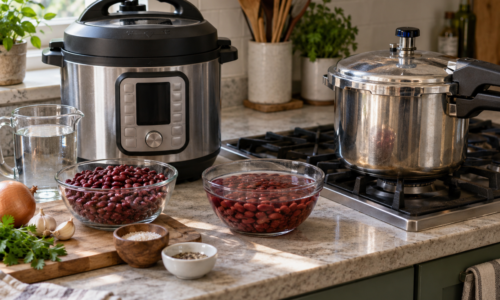
Pressure cooking has earned a special place in low-lectin kitchens because it combines moisture, heat, and pressure in a way that can sharply reduce the activity of heat-sensitive lectins in foods such as beans.