Low-Lectin Soups for Gut Repair
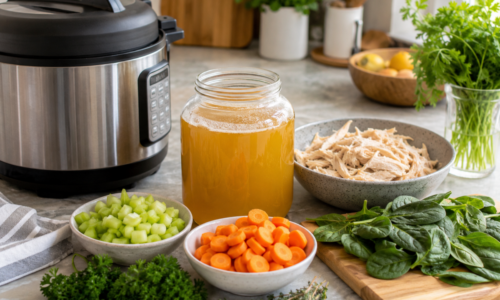
Soup has always had a reputation as recovery food, and for good reason. It is warm, soft, easy to digest, and forgiving on days when the gut feels irritated, inflamed, or unpredictable.

Soup has always had a reputation as recovery food, and for good reason. It is warm, soft, easy to digest, and forgiving on days when the gut feels irritated, inflamed, or unpredictable.
One of the biggest misconceptions about a low-lectin lifestyle is that it requires sacrifice in flavor, texture, and satisfaction.
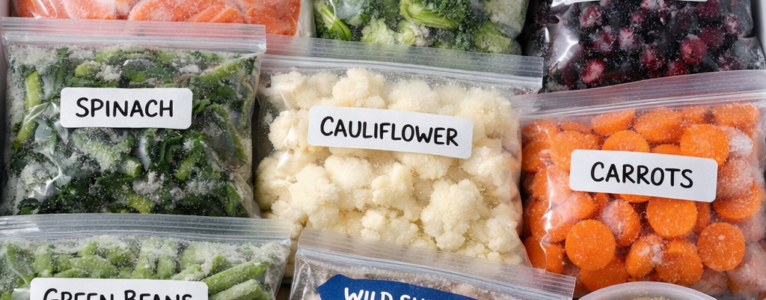
For many people trying to reduce lectins in their diet, the freezer aisle feels like a minefield.
For many people trying to improve their health through diet, the first real shift often begins with a simple realization. The foods that are supposed to be healthy do not always feel that way in the body.
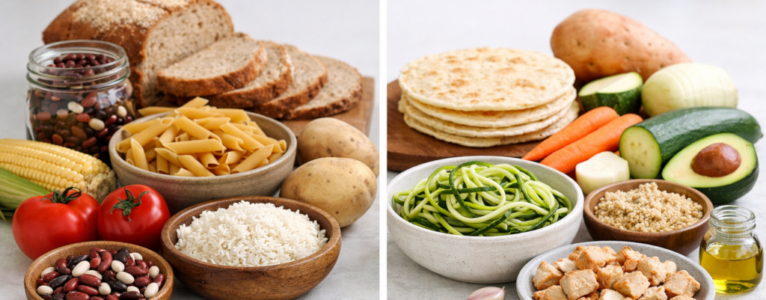
When most people first hear about lectins, they immediately look for a list. What can I eat. What should I avoid. What needs to be modified. That instinct makes sense. Food lists feel concrete. They offer structure in a space that can quickly feel confusing. But a low-lectin approach is …
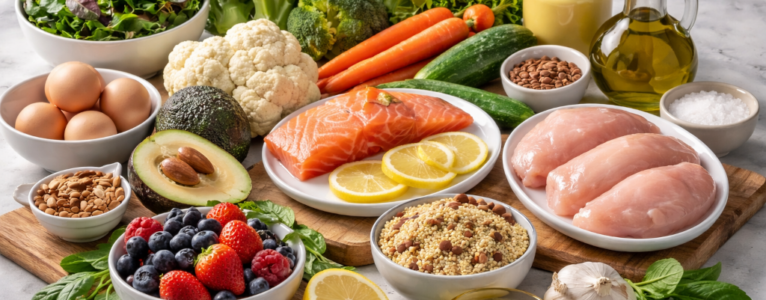
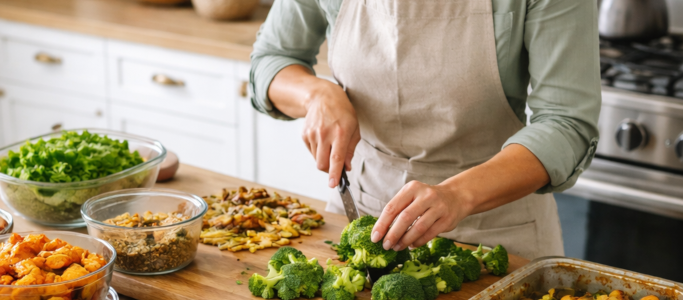
Batch cooking has become one of the most powerful tools for people trying to improve their health through diet. Preparing food in advance saves time, reduces stress around meals, and helps maintain consistency.
There is something grounding about putting a sheet pan in the oven and waiting for vegetables to transform. Raw Brussels sprouts are tight, pale, and slightly bitter. Bacon is soft and pliable.
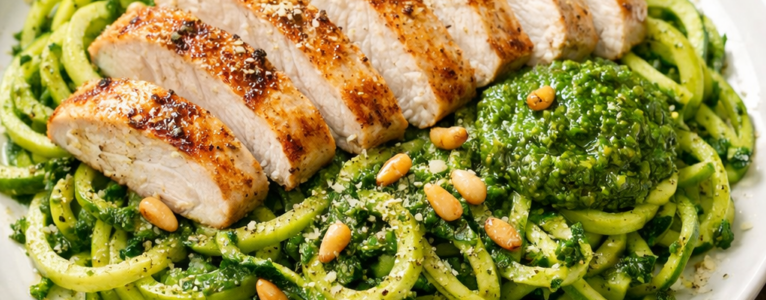
There is something comforting about a bowl of noodles coated in fresh pesto and topped with warm slices of grilled chicken. It feels familiar. It feels complete.
There is something deeply comforting about a tray of stuffed peppers coming out of the oven. The aroma fills the kitchen. The filling bubbles at the edges. The peppers soften just enough to hold everything together without collapsing into mush.
Breakfast has always carried symbolic weight. It is the first decision of the day, the first signal we send to our metabolism, our hormones, and our digestive system.
There is something almost rebellious about making chocolate pudding out of avocados. It feels like a trick at first.
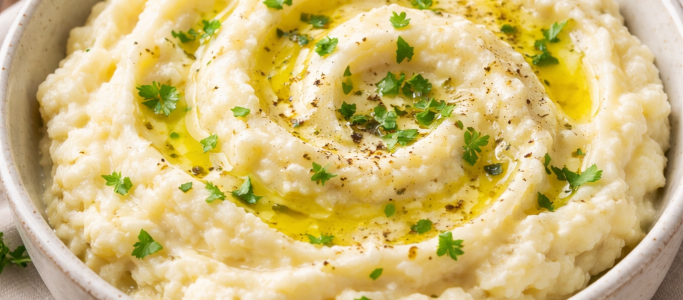
This is a low-lectin comfort food that aligns with modern nutrition science. There is something deeply reassuring about a bowl of mashed potatoes.