
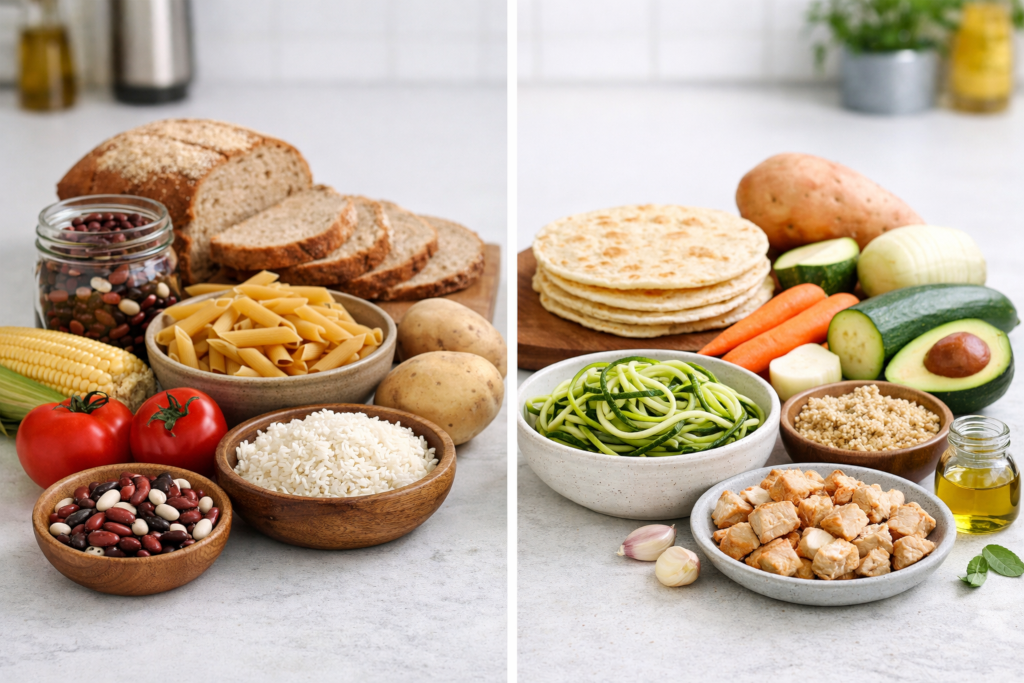
One of the biggest misconceptions about a low-lectin lifestyle is that it requires sacrifice in flavor, texture, and satisfaction. Many people come into this way of eating expecting bland meals, limited options, and a constant feeling of restriction. In reality, the opposite can be true. When approached creatively, low-lectin substitutions can open the door to a more intentional and often more enjoyable relationship with food.
Lectins, which are naturally occurring proteins found in many plants, can interfere with digestion and gut lining integrity in sensitive individuals. While traditional advice often focuses on what to remove, long-term success depends on what you replace those foods with. This is where creativity becomes essential. Substitutions are not just about mimicking old favorites. They are about building new habits that feel just as satisfying, if not more so.
The key is understanding that taste is not only about ingredients. It is about texture, aroma, preparation methods, and even expectation. When those elements are aligned, a low-lectin version of a familiar dish can feel surprisingly complete. The goal is not to trick your brain. It is to nourish it in a new way.
Why Some Substitutions Fail and Others Work
If you have ever tried a “healthy swap” that left you disappointed, you are not alone. Many substitutions fail because they focus too heavily on appearance rather than experience. A low-lectin alternative that looks like bread but lacks structure, flavor, or moisture is unlikely to satisfy.
Successful substitutions consider the role an ingredient plays in a dish. For example, traditional wheat flour provides structure, chewiness, and a slightly nutty flavor. Simply replacing it with a single alternative rarely works. Instead, combining low-lectin flours like coconut flour, cassava flour, or almond flour can recreate a more balanced texture.
Another factor is preparation. Many lectin-containing foods become more tolerable when properly cooked. Pressure cooking, peeling, and deseeding can significantly reduce lectin content. This means that in some cases, the substitution is not a different ingredient but a different technique. For example, tomatoes that are peeled and pressure cooked may be better tolerated than raw versions, allowing you to retain familiar flavors without the same digestive burden.
Finally, seasoning plays a crucial role. When people remove certain foods, they often forget to adjust flavor profiles accordingly. A low-lectin dish that is properly seasoned with herbs, quality fats, and mineral-rich salt can feel richer and more complete than the original.
Reinventing Comfort Foods Without Compromise
Comfort food is deeply tied to memory and emotion, which makes it one of the hardest areas to adapt. However, it is also where creative substitutions shine the most.
Take pasta, for example. Traditional wheat pasta is high in lectins, but that does not mean pasta dishes are off the table. Zucchini noodles, spaghetti squash, or even hearts of palm pasta can provide a similar experience when paired with the right sauce. The key is not to expect them to behave exactly like wheat pasta. Instead, focus on how they carry flavor. A well-prepared zucchini noodle dish with a rich, slow-simmered sauce and a drizzle of olive oil can feel just as indulgent.
Bread is another area where many people struggle. Instead of chasing a perfect replica of conventional bread, it often helps to redefine what bread means in your meals. Flatbreads made from cassava flour or coconut flour can serve as a base for toppings, while lettuce wraps or grilled vegetable slices can replace sandwich bread entirely. Over time, these alternatives stop feeling like substitutes and start feeling like the default.
Even classic comfort dishes like mashed potatoes can be reimagined. Cauliflower, when properly cooked and blended with healthy fats like grass-fed butter or olive oil, creates a creamy texture that rivals traditional versions. The addition of roasted garlic or herbs can elevate the dish beyond its original form.
The Power of Texture in Low-Lectin Cooking
Texture is often overlooked, yet it is one of the most important elements of satisfaction. A meal that lacks textural variety can feel incomplete, regardless of how good it tastes.
Low-lectin substitutions that succeed tend to replicate or even enhance texture. For instance, toasted coconut flakes can add a satisfying crunch to dishes that might otherwise feel soft. Similarly, nuts that are properly soaked and roasted can provide both texture and digestibility.
Cooking methods also play a role. Roasting vegetables brings out natural sugars and creates caramelization, adding both flavor and a slightly crisp exterior. Sautéing with the right fats can create a golden finish that enhances mouthfeel. Even simple techniques like letting a dish rest before serving can improve texture by allowing flavors and structures to settle.
When building a meal, it helps to think in layers. A creamy base, a tender component, and a crunchy topping can transform a simple dish into something memorable. This approach not only improves enjoyment but also makes the meal feel more complete.
Sweet Cravings Without the Lectin Load
Desserts and sweet treats can be particularly challenging, as many traditional ingredients contain lectins or contribute to inflammation. However, this is another area where thoughtful substitutions can make a significant difference.
Natural sweeteners like raw honey or monk fruit can replace refined sugars while providing a more balanced flavor profile. Coconut flour and almond flour can be used to create baked goods that are both satisfying and lower in lectins. The key is to adjust expectations and techniques. Coconut flour, for example, absorbs more liquid than traditional flour, so recipes need to account for this to avoid dryness.
Chocolate lovers can still enjoy their favorite flavors by choosing high-quality dark chocolate with minimal additives. Pairing it with ingredients like coconut cream or nut-based crusts can create desserts that feel indulgent without relying on problematic components.
Fruit can also play a central role. Berries, when paired with healthy fats like coconut cream, can create a dessert that is both simple and deeply satisfying. The natural sweetness of fruit often becomes more pronounced once refined sugars are removed from the diet.
Making It Sustainable for Everyday Life
The ultimate goal of any dietary approach is sustainability. A low-lectin lifestyle that feels restrictive or overly complicated is unlikely to last. This is why creative substitutions are so important. They bridge the gap between what you are used to and what supports your health.
One of the most effective strategies is to build a small rotation of meals that you genuinely enjoy. Instead of constantly searching for new recipes, focus on refining a handful of dishes until they feel effortless. This reduces decision fatigue and makes it easier to stay consistent.
It is also helpful to shift your mindset from replacement to exploration. Rather than asking how to replicate a specific food, ask what flavors and textures you are craving and how you can achieve them with low-lectin ingredients. This opens up a wider range of possibilities and often leads to more satisfying results.
Preparation plays a role here as well. Having key ingredients on hand, such as pre-cooked vegetables, soaked nuts, or prepared sauces, can make it easier to assemble meals quickly. This reduces the temptation to fall back on less supportive options when time is limited.
The Emotional Side of Food Transformation
Changing the way you eat is not just a physical process. It is an emotional one. Food is tied to culture, family, and identity, and letting go of certain ingredients can feel like a loss. Recognizing this is an important part of the journey.
Creative substitutions help ease this transition by preserving the essence of familiar meals. They allow you to maintain a connection to your favorite foods while aligning with your health goals. Over time, these new versions can become just as meaningful as the originals.
It is also worth noting that taste preferences can change. As your body adapts to a lower lectin intake and reduced reliance on processed ingredients, your sensitivity to flavors often increases. Foods that once seemed bland can become more nuanced and enjoyable.
Patience is key. The first attempt at a substitution may not be perfect, and that is part of the process. Each adjustment brings you closer to a version that works for you.
Bringing It All Together
Creative low-lectin substitutions are not about restriction. They are about rediscovery. By focusing on flavor, texture, and preparation, it is possible to create meals that are both supportive of digestive health and deeply satisfying.
The process requires curiosity and a willingness to experiment, but the rewards are significant. You gain not only better control over how your body responds to food, but also a renewed appreciation for the act of cooking and eating.
In the end, the most successful substitutions are the ones that do not feel like substitutions at all. They become part of your routine, your preferences, and your lifestyle. And that is where lasting change happens.