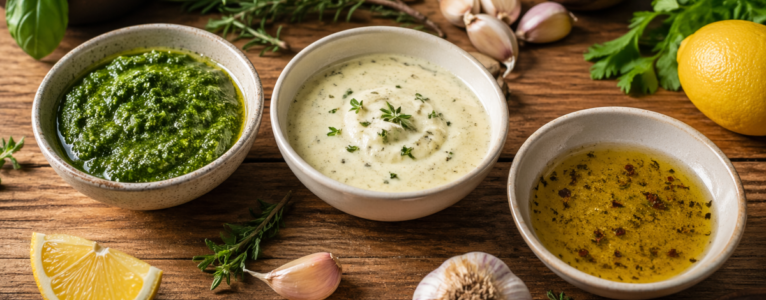
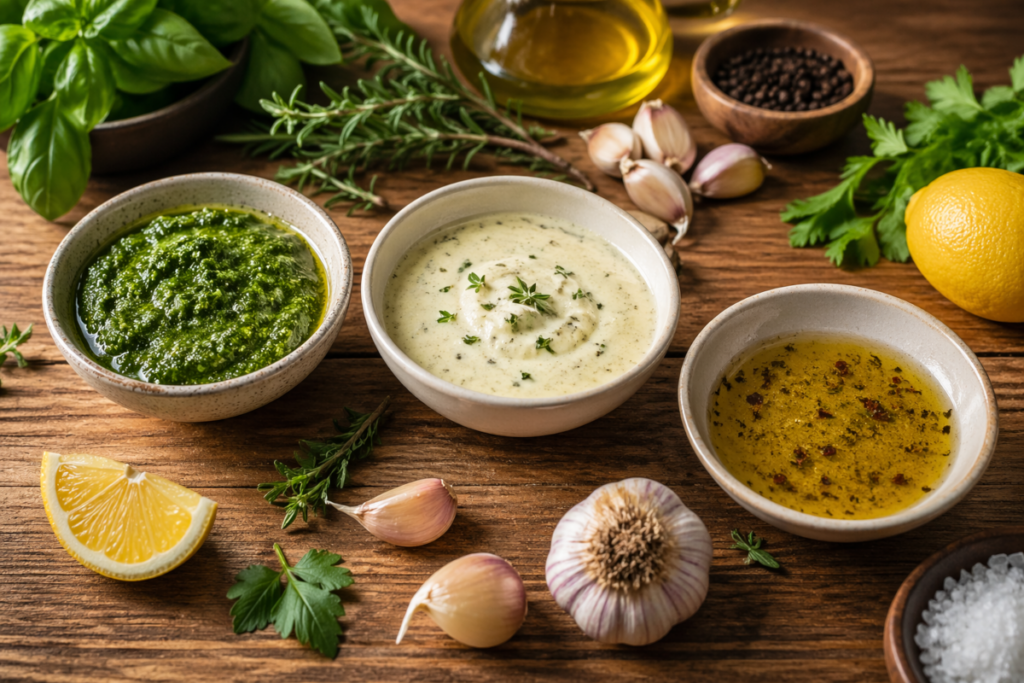
When people first begin adjusting to a low lectin lifestyle, their focus tends to land on the obvious. They look at breads, grains, legumes, and nightshades, and start making substitutions. That is a great start, but what often goes unnoticed are the sauces that quietly sit on top of those meals. Sauces can either support your digestion or quietly work against it, depending on how they are made and what they contain.
A well-crafted sauce does more than add flavor. It helps break up textures, carries fats that support nutrient absorption, and turns simple ingredients into something satisfying. The challenge is that many traditional sauces rely on ingredients that can be problematic for those sensitive to lectins. Tomato bases, soy products, certain beans, and even some spice blends can introduce compounds that irritate the gut when consumed regularly or in large amounts.
Creating lectin-safe sauces is not about restriction. It is about understanding how to build flavor differently. Once you shift your mindset from removing ingredients to rebuilding flavor from the ground up, sauces become one of the most powerful tools in your kitchen.
Understanding Where Hidden Lectins Show Up
To build sauces that support your digestion, it helps to first recognize where lectins tend to hide. Many classic sauces rely heavily on foods that are known to contain higher levels of lectins when not properly prepared. Tomatoes, peppers, and eggplants are common in sauces, especially in Western cooking. Soy sauce, peanut-based sauces, and certain emulsifiers also appear frequently in dressings and marinades.
The issue is not always that these ingredients are inherently harmful. Preparation matters. Pressure cooking, peeling, deseeding, fermenting, and using smaller amounts can all change how your body responds. But for someone who is actively reducing lectin exposure, especially during a sensitive phase, sauces can easily become a concentrated source of irritation.
Another factor that often gets overlooked is how sauces are consumed. You may only use a small amount of a high lectin ingredient in a dish, but when it is blended into a sauce and spread across every bite, the exposure becomes consistent and repetitive. This is where symptoms can start to show up even when the main ingredients seem compliant.
The goal is not perfection. It is awareness. Once you understand where these ingredients show up, you can begin replacing them with alternatives that still deliver richness, depth, and balance.
Building Flavor Without the Usual Foundations
If you remove common sauce bases like tomatoes or soy, it might feel like you are losing the foundation of flavor. In reality, you are just shifting where that flavor comes from. Instead of relying on a single dominant ingredient, lectin-safe sauces often build complexity through layering.
Healthy fats are one of the easiest places to start. Olive oil, avocado oil, and grass-fed butter or ghee create a rich base that carries flavor across the palate. These fats also help the body absorb fat-soluble nutrients, which adds a functional benefit beyond taste.
Acidity plays an equally important role. Lemon juice, lime juice, and certain vinegars can brighten a sauce and balance heavier elements. This is especially useful when you are working without tomato-based acidity. A squeeze of citrus can transform a sauce from flat to vibrant in seconds.
Herbs and aromatics provide depth and freshness. Garlic, onion, fresh herbs like basil or parsley, and dried spices that are generally well tolerated can create layers of flavor that replace the need for more problematic ingredients. The key is to build gradually, tasting as you go, rather than relying on a single strong flavor.
Texture also matters more than most people realize. A smooth, creamy sauce can feel indulgent even when it is made from simple ingredients. Blending cooked vegetables like cauliflower or zucchini can create a neutral base that absorbs surrounding flavors while maintaining a comforting consistency.
Creamy Sauces That Support Digestion
Creamy sauces are often the hardest to give up when transitioning to a low lectin lifestyle, but they are also some of the easiest to reinvent. Traditional cream sauces may rely on dairy that some people struggle with, or thickening agents that are not always ideal. Fortunately, there are alternatives that provide the same satisfaction without the digestive burden.
One approach is to use well-cooked, peeled vegetables as a base. Cauliflower is particularly effective because it becomes soft and neutral when cooked, allowing it to take on the flavor of whatever is added to it. When blended with olive oil, garlic, and a touch of salt, it creates a smooth sauce that can replace heavier cream-based options.
Another option is to use compliant dairy in a mindful way. High quality, grass-fed cream or cheese can work well for some individuals, especially when used in moderate amounts. Pairing these with digestion-friendly ingredients like garlic and herbs can make the sauce both rich and balanced.
Avocado can also be used to create creamy textures, especially in cold sauces and dressings. Its natural fat content provides a smooth mouthfeel, while its mild flavor allows it to blend with citrus and herbs. The result is a sauce that feels indulgent but remains supportive of your overall dietary goals.
The key with creamy sauces is to focus on how they feel in your body after eating them. The goal is not just to replicate a familiar taste, but to create something that leaves you feeling satisfied without heaviness or discomfort.
Replacing Tomato-Based Sauces With Confidence
Tomato sauces are deeply ingrained in many cuisines, so replacing them can feel like a major shift. However, once you explore alternatives, you may find that you gain more flexibility rather than less.
Roasted vegetables can serve as an excellent base for red-style sauces. Roasted carrots, beets, or even certain squashes develop a natural sweetness and depth that can mimic the richness of tomatoes. When blended with garlic, olive oil, and herbs, they create a sauce that feels familiar while being gentler on the digestive system.
Another strategy is to focus on flavor profiles rather than exact replicas. Instead of trying to recreate tomato sauce perfectly, you can build a sauce that complements your dish in a different way. A garlic and olive oil base with herbs can pair beautifully with proteins and vegetables, offering a lighter but still satisfying alternative.
For those who tolerate tomatoes in small amounts, preparation techniques can make a difference. Peeling and deseeding tomatoes, then cooking them thoroughly, may reduce some of the compounds that cause irritation. This allows for occasional use without the same level of impact.
What matters most is flexibility. When you let go of the idea that a dish must have a specific sauce, you open the door to new combinations that may actually suit your body better.
Balancing Flavor Through Fat, Acid, and Salt
Every great sauce, regardless of dietary approach, relies on balance. This becomes even more important when working within a low lectin framework because you are often building flavor from simpler ingredients.
Fat provides richness and helps carry flavor. Acid adds brightness and prevents the sauce from feeling heavy. Salt enhances everything and brings the individual components together. When these three elements are in harmony, even a simple sauce can feel complete.
A common mistake is under-seasoning. When you remove strong flavors like soy or tomatoes, it can be tempting to keep everything mild. This often leads to sauces that feel flat. Instead, focus on layering small amounts of seasoning and tasting frequently. Adjusting gradually allows you to build depth without overwhelming the dish.
Temperature also plays a role in how flavors are perceived. Warm sauces tend to highlight richness, while cooler sauces emphasize freshness. Understanding this can help you decide how to serve your sauces in a way that enhances the overall meal.
Over time, your palate will adjust. You may find that you begin to appreciate subtler flavors that were previously overshadowed by stronger ingredients.
A Simple Lectin-Safe Sauce Framework You Can Use Daily
While it is important to avoid turning this into a rigid formula, having a flexible framework can make daily cooking easier. Think of your sauce as a combination of a base, a fat, an acid, and flavor enhancers.
Your base might be something like blended cauliflower, zucchini, or even a simple broth. The fat could be olive oil, avocado oil, or a small amount of butter. The acid might come from lemon juice or vinegar. Flavor enhancers include garlic, herbs, and spices that you tolerate well.
From there, you adjust based on what you are pairing the sauce with. A lighter sauce works well with fish or chicken, while a richer one may complement heartier proteins. The same basic structure can be adapted endlessly, which keeps your meals interesting without requiring constant reinvention.
This approach also helps reduce decision fatigue. Instead of starting from scratch every time, you are working within a system that supports both flavor and digestion.
The Lifestyle Shift Behind Better Sauces
Creating lectin-safe sauces is not just about ingredients. It reflects a broader shift in how you approach food. You become more aware of how preparation methods affect your body. You start to notice the difference between a meal that tastes good in the moment and one that also feels good afterward.
This awareness builds confidence. Instead of relying on packaged sauces or restaurant options that may not align with your needs, you gain the ability to create something tailored to your body. That level of control can be empowering, especially for those who have struggled with digestive discomfort in the past.
It also encourages creativity. When you are not tied to traditional recipes, you begin experimenting with combinations that you might not have considered before. Some of these experiments will become staples in your kitchen, forming the foundation of your daily routine.
Over time, this way of cooking becomes second nature. What once felt restrictive starts to feel intuitive and even enjoyable.
Bringing It All Together in Your Kitchen
At the end of the day, sauces are where everything comes together. They connect flavors, enhance textures, and turn simple ingredients into a complete meal. When you approach them with intention, they become one of the most effective ways to support your low lectin lifestyle.
Start small. Choose one or two sauces to reinvent and build from there. Pay attention to how your body responds, not just how the food tastes. Adjust gradually, and give yourself room to experiment.
You do not need to replicate every traditional sauce perfectly. You only need to create something that works for you. When flavor and digestion align, the result is more than just a good meal. It is a sustainable way of eating that supports your long-term wellness.