
Walk into almost any modern health conversation and you will eventually hear someone mention MCT oil. It has become a staple in coffee routines, smoothie recipes, and therapeutic nutrition plans, especially among people trying to simplify digestion and stabilize energy. But like many popular health ingredients, its rise has also created confusion. Is it just another trendy fat, or is there something meaningfully different about it?
For those following a low lectin lifestyle, the answer matters. Choosing the right fats can influence digestion, inflammation, and how the body processes food overall. MCT oil stands apart from many commonly used oils, especially seed oils, in ways that go beyond marketing claims. To understand its place, we need to look at what it actually is, how the body uses it, and why it tends to feel different when incorporated into daily meals.
What MCT Oil Actually Is
MCT stands for medium chain triglycerides. These are a specific type of fat molecule defined by the length of their carbon chains. Most fats we eat, including those found in olive oil, butter, and seed oils, are made up of long chain triglycerides. MCTs are shorter in structure, and that structural difference changes how the body handles them.
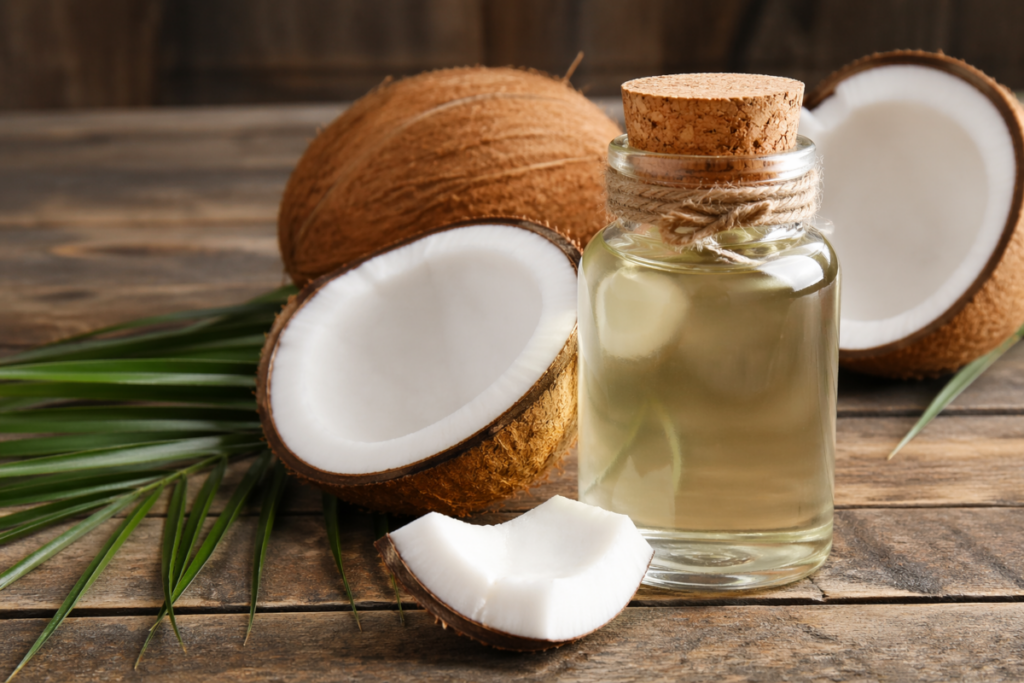
MCT oil is typically extracted from coconut oil or palm kernel oil. Coconut oil naturally contains a mix of fats, including MCTs, but only a portion of it is made up of these medium chain compounds. Through processing, manufacturers isolate and concentrate the most useful MCTs, usually caprylic acid and capric acid, which are known for their efficient metabolism.
Unlike many other oils, MCT oil is flavorless and remains liquid at room temperature. This makes it easy to blend into drinks or drizzle over food without altering taste too much. But its real uniqueness lies not in how it looks or tastes, but in how quickly it moves through the digestive system.
How the Body Processes MCT Oil
When you eat most fats, they go through a relatively complex digestive process. They are broken down in the intestines, packaged into particles called chylomicrons, and then transported through the lymphatic system before eventually reaching the bloodstream. This process takes time and requires multiple steps.
MCTs bypass much of this pathway. Because they are shorter in structure, they are absorbed more directly and sent straight to the liver through the portal vein. Once in the liver, they are rapidly converted into energy or ketones, which the body can use as a fuel source.
This direct route is one of the main reasons people notice a different experience when consuming MCT oil. Instead of feeling heavy or sluggish, many report a quicker sense of energy and mental clarity. For individuals dealing with digestive sensitivity, this simpler processing pathway can also reduce the burden on the gut.
Why MCT Oil Feels Different
If you have ever experimented with different fats, you may have noticed that not all of them leave you feeling the same. Some meals feel grounding and satisfying, while others feel heavy or difficult to digest. MCT oil tends to fall into a unique category that feels lighter and more immediate.
This is partly because it does not require bile in the same way that long chain fats do. Bile is essential for breaking down most dietary fats, but for people with compromised digestion, bile production or flow can sometimes be less efficient. MCTs reduce reliance on this step, which can make them easier to tolerate.
There is also the metabolic effect. Because MCTs are quickly turned into usable energy, they are less likely to be stored as body fat compared to longer chain fats. While this does not make them a magic solution for weight management, it does contribute to their reputation as a clean energy source.
For those navigating a low lectin lifestyle, where digestive comfort is often a primary concern, these differences can be meaningful. The goal is not just to avoid problematic foods, but to create a system where digestion feels predictable and supportive.
MCT Oil and Lectin Sensitivity
MCT oil does not contain lectins. That alone makes it a safe addition from a lectin standpoint, but its benefits go beyond simply being neutral. The way it interacts with digestion can actually support the broader goals of a low lectin approach.
Lectin sensitivity often involves some level of gut irritation or permeability. When the digestive system is already under stress, introducing foods that require complex processing can sometimes amplify discomfort. MCT oil, by contrast, provides energy without adding significant digestive strain.
There is also emerging interest in how MCTs may influence the gut microbiome. Some studies suggest that certain MCTs have antimicrobial properties, which could help balance gut bacteria. While this area is still being explored, it aligns with the idea that simplifying the digestive environment can support overall gut health.
In practical terms, many people find that replacing heavier or more processed fats with MCT oil helps reduce bloating and post meal fatigue. It becomes less about removing something harmful and more about introducing something that feels easier on the system.
The Difference Between MCT Oil and Seed Oils
Seed oils have become one of the most debated topics in modern nutrition. Oils such as soybean, canola, corn, and sunflower are widely used in processed foods and cooking. While they are often marketed as heart healthy, their role in inflammation and metabolic health has been questioned.
One of the key differences lies in their fatty acid composition. Seed oils are high in omega 6 polyunsaturated fats. While omega 6 fats are not inherently harmful, modern diets tend to include them in excess, which can contribute to an imbalance with omega 3 fats. This imbalance is often associated with inflammatory processes in the body.
MCT oil is different in both structure and function. It is composed of saturated fats, but not in the same way as long chain saturated fats found in some animal products. Its medium chain structure leads to rapid metabolism rather than storage, and it does not contribute to the same oxidative concerns that can arise with highly processed seed oils.
Another important distinction is stability. Seed oils are more prone to oxidation, especially when exposed to heat, light, or air. This can lead to the formation of compounds that may be less beneficial for health. MCT oil is more stable, particularly when used in low to moderate heat applications or added to foods after cooking.
From a low lectin perspective, there is also the issue of sourcing. Many seed oils are derived from crops that are heavily processed and may contain residues or compounds that do not align well with a clean, whole food approach. MCT oil, especially when sourced from high quality coconut oil, tends to fit more naturally into a simplified dietary framework.
How People Use MCT Oil in Daily Life
MCT oil is often introduced gradually into a routine. Because it is potent and quickly metabolized, starting with small amounts allows the body to adjust. Jumping in too quickly can lead to digestive discomfort, which is usually temporary but avoidable.
One of the most common uses is in coffee or tea. Blending MCT oil into a warm beverage creates a smooth, creamy texture and provides a steady source of energy. Many people find that this helps them feel more focused without the sharp rise and fall that can come from sugar or refined carbohydrates.
It is also used in smoothies, salad dressings, and drizzled over cooked vegetables. Because it has a neutral flavor, it pairs well with a wide range of ingredients. The key is to think of it as a finishing oil rather than a primary cooking fat.
In a low lectin kitchen, where meals often focus on clean proteins, properly prepared vegetables, and carefully chosen fats, MCT oil can act as a flexible addition. It does not replace other healthy fats like olive oil or avocado oil, but it complements them by offering a different metabolic pathway.
Benefits That Go Beyond Energy
While MCT oil is often associated with quick energy, its benefits can extend further when used consistently. One area that has gained attention is cognitive support. Because the liver converts MCTs into ketones, they can provide an alternative fuel source for the brain. This may help with focus and mental clarity, particularly during periods of low carbohydrate intake.
There is also interest in how MCT oil supports metabolic health. Some studies suggest it may help with appetite regulation and energy balance. Again, this is not about dramatic effects, but about subtle shifts that support a more stable internal environment.
For those managing digestive challenges, the biggest benefit is often how it feels. Meals that include MCT oil can feel lighter and more manageable, which encourages consistency. And consistency is where long term progress happens in any dietary approach.
Finding the Right Balance
It is easy to get excited about a new ingredient, especially one with clear advantages. But like anything in nutrition, balance matters. MCT oil works best when it is part of a broader strategy that includes whole foods, proper preparation techniques, and attention to individual tolerance.
Some people thrive with daily use, while others prefer to use it occasionally. Paying attention to how your body responds is always more valuable than following a rigid rule. If digestion feels smoother and energy feels steady, you are likely on the right track.
Quality also plays a role. Choosing a well sourced MCT oil that focuses on caprylic and capric acids can make a noticeable difference. Avoiding blends that include unnecessary fillers or lower quality fats helps maintain the benefits you are looking for.
Bringing It All Together
MCT oil is not just another health trend. It represents a different way of thinking about fat, digestion, and energy. Its unique structure allows it to move through the body with efficiency, offering support without adding complexity.
For those following a low lectin lifestyle, this simplicity is valuable. It aligns with the broader goal of reducing digestive stress while still nourishing the body. Compared to seed oils, which often come with questions about processing and inflammation, MCT oil offers a more direct and predictable experience.
In the end, the value of MCT oil is not just in what it does, but in how it feels. When an ingredient supports your energy, digestion, and daily rhythm without friction, it becomes more than just a component of a meal. It becomes part of a sustainable way of living.