Fermentation feels almost old-fashioned at first. It brings to mind crocks on kitchen counters, jars of pickled vegetables, sourdough starters bubbling quietly, and yogurt setting into something thick and tangy. But in a low-lectin lifestyle, fermentation is not just a traditional kitchen habit. It is one of the most useful bridges between food restriction and food freedom.
A low-lectin lifestyle is often misunderstood as simply a long list of foods to avoid. In reality, the more sustainable version is about preparation, tolerance, digestion, and choosing techniques that make food easier for the body to handle. Fermentation fits beautifully into that approach because it changes food before it ever reaches your plate. Microbes do some of the early work, breaking down carbohydrates, altering proteins, producing acids, and shifting the food’s overall chemistry. That does not mean fermentation magically makes every high-lectin food harmless for every person, but it can make many foods gentler, more complex, and more supportive of digestive resilience.
This is why fermented foods deserve a regular place in the low-lectin kitchen. Yogurt, yeast-based foods, and fermented pickles each bring something different to the table. They are not just side dishes or occasional “health foods.” When chosen carefully and worked into daily eating with intention, they can become quiet helpers that support the gut, improve flavor, and make the lifestyle feel less rigid.
Fermentation Is Food Preparation, Not Food Magic
The first thing to understand is that fermentation is a process, not a single food category. When food ferments, bacteria, yeasts, or molds transform parts of that food into new compounds. In lactic acid fermentation, which is common in yogurt, sauerkraut, kimchi-style vegetables, and brined pickles, beneficial bacteria convert sugars into acids. Those acids help preserve the food, sharpen the flavor, and create an environment that supports certain microbes while discouraging others.
From a low-lectin perspective, this matters because many traditional preparation methods reduce or change compounds that can be difficult for some people to digest. Research reviews on fermented vegetables and legumes show that fermentation can reduce some anti-nutritional factors and improve nutrient availability, although the exact effect depends on the food, microbe, time, temperature, and preparation method. Fermentation is best viewed as one tool among many, alongside pressure cooking, peeling, deseeding, soaking, sprouting, and mindful food tracking.
That nuance is important. A fermented food is not automatically low-lectin just because it has bubbles, tang, or a probiotic reputation. For example, fermenting a legume-based food may reduce some problematic compounds, but it may not make that food appropriate for someone in a strict elimination phase. Likewise, a store-bought pickle sitting on a shelf in vinegar is not the same thing as a live fermented pickle made in salt brine. The process matters, and so does the person eating it.
This is also where the low-lectin lifestyle becomes more personalized. Some people are trying to calm symptoms, some are reintroducing foods, and some are simply using lectin-aware cooking as part of a broader wellness plan. Fermented foods can be useful in all three situations, but the amount and timing should match the individual. A tablespoon of fermented vegetables beside a meal is very different from a giant bowl of spicy fermented cabbage on an already sensitive stomach.
Why Yogurt Earns a Place at the Table
Yogurt is one of the easiest fermented foods to understand because most people already know what it is. Milk is cultured with bacteria, and over time it thickens, becomes tangy, and turns into something more digestively interesting than plain milk. For many people, yogurt is also more tolerable than regular milk because fermentation reduces lactose and introduces bacterial cultures that may help with digestion. That does not mean everyone tolerates dairy, but it does explain why yogurt often behaves differently in the body than a glass of milk.
In a low-lectin lifestyle, yogurt should be chosen thoughtfully. Many people prefer plain, unsweetened yogurt made from goat, sheep, coconut, or carefully selected cow’s milk sources, depending on their personal plan and tolerance. The goal is to avoid turning yogurt into a dessert loaded with sugar, gums, artificial flavors, and additives that complicate digestion. A simple yogurt with live and active cultures can become a small daily anchor food, especially when paired with low-lectin toppings such as peeled fruit, cinnamon, chopped nuts that fit your plan, or a drizzle of approved sweetener if needed.
Yogurt also works because it is flexible. It can be breakfast, a sauce base, a cooling spoonful beside roasted vegetables, or the creamy part of a dressing. A low-lectin plate can sometimes feel heavy on cooked foods, especially for people who are leaning on pressure-cooked, peeled, deseeded, or well-cooked ingredients. Yogurt brings brightness and softness. It can make a meal feel complete without relying on bread, pasta, beans, or nightshade-heavy sauces.
The bigger picture is the gut microbiome. Fermented foods are studied partly because they can deliver live microbes and fermentation byproducts that interact with the digestive tract. Current reviews describe fermented foods as complex microbial systems, not just containers of probiotics, because they may include live organisms, organic acids, peptides, and other compounds formed during fermentation. For the everyday low-lectin eater, that means yogurt is not just “allowed” or “not allowed.” It is a practical food that may support variety, meal satisfaction, and digestive rhythm when it matches your tolerance.
Yeast, Fermentation, and the Flavor Problem
Yeast deserves its own conversation because it is often misunderstood. When people hear “yeast,” they may think only of bread, beer, or sugar cravings. But yeast is simply another fermentation organism, and yeast-driven fermentation has shaped human food for thousands of years. It helps dough rise, creates savory complexity, and contributes to the flavor of many traditional foods.
For someone living low-lectin, yeast-based foods require more selectivity. A standard wheat bread, even if yeast-raised, may not fit the plan because wheat brings its own concerns. But the concept of yeast fermentation still matters. It explains why fermented breads, long-fermented doughs, and certain cultured foods can behave differently from rushed, highly processed products. Fermentation time can influence texture, flavor, acidity, and digestibility, although it does not automatically erase every concern tied to grains or lectin-containing ingredients.
This is where many people make the mistake of thinking in absolutes. They ask, “Is yeast good or bad?” The better question is, “What food is the yeast fermenting, how was it prepared, and how does my body respond?” Nutritional yeast, for example, is not the same as baker’s yeast in rising dough, and neither is the same as the wild yeast community in a sourdough starter. Some people use nutritional yeast as a savory seasoning because it adds a cheese-like flavor without dairy. Others may avoid it if it does not agree with them. The low-lectin lifestyle works best when these differences are observed instead of flattened into one rule.
Yeast also helps solve a very real lifestyle problem: flavor fatigue. When someone removes or reduces common convenience foods, meals can start to feel repetitive. Fermented flavors help fill that gap. Tang, umami, acidity, and depth make simple food taste more satisfying. A spoonful of cultured yogurt sauce, a little fermented pickle brine in a dressing, or a savory yeast-based seasoning can make a low-lectin meal feel intentional instead of restricted.
Pickling: The Daily Bite That Wakes Up Digestion
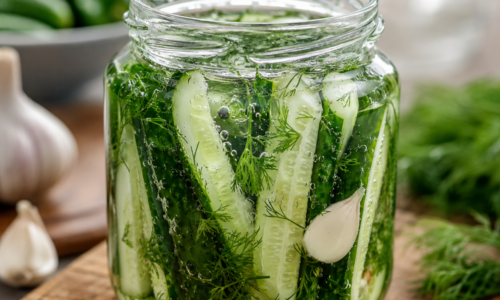
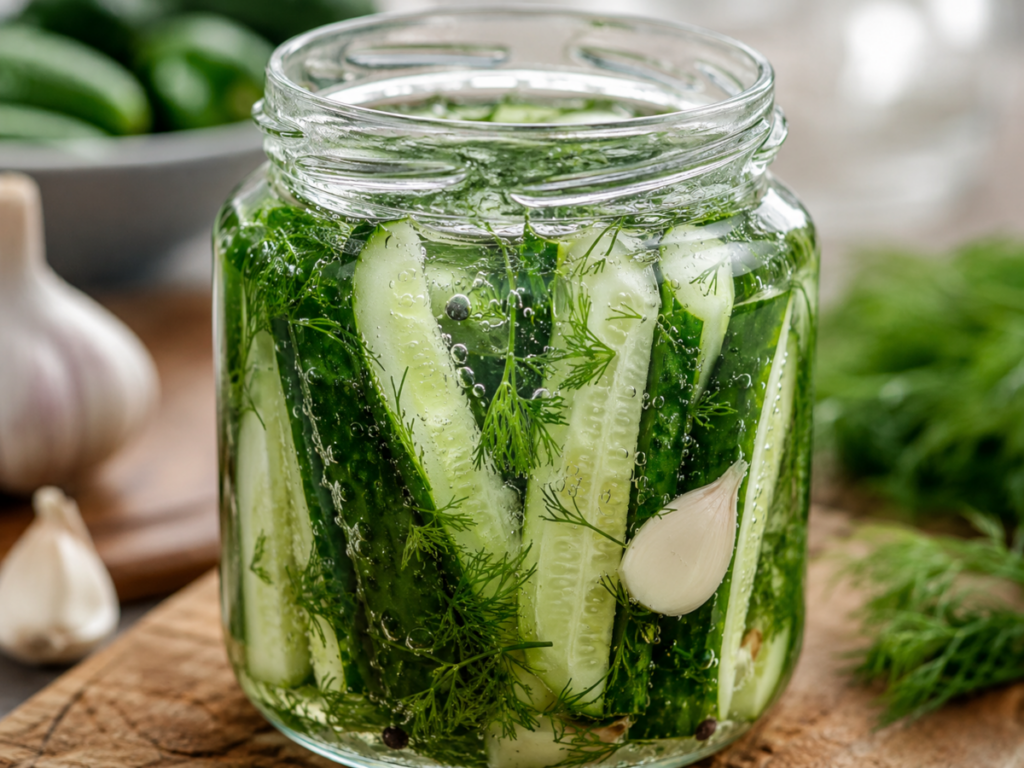
Pickling can mean two very different things. Vinegar pickling is when vegetables are preserved in vinegar. Fermented pickling is when vegetables sit in a salt brine and lactic acid bacteria naturally transform them over time. Both can be useful in the kitchen, but they are not identical. If someone is looking for live cultures, refrigerated brined pickles are generally the category to look for, while shelf-stable vinegar pickles are often heat-treated or acidified for preservation. Stanford Lifestyle Medicine notes this distinction clearly, emphasizing that gut-friendly fermented pickles are brined rather than simply vinegar-pickled.
For low-lectin eating, pickled vegetables can be especially helpful because they add intensity in small amounts. You do not need a huge serving. A few slices of fermented cucumber, a forkful of sauerkraut-style cabbage if tolerated, or a small spoon of pickled onions can brighten a plate of eggs, fish, poultry, greens, or roasted vegetables. This matters because people are more likely to sustain a lifestyle when food tastes alive and layered.
Pickling also encourages smaller, more mindful portions. Many fermented vegetables are salty and sour, so they naturally function as condiments rather than main dishes. That is useful for sensitive digestion because it allows someone to introduce fermented foods gradually. A cautious approach is especially wise for people who are not used to live fermented foods, since sudden large servings may cause bloating or discomfort. The gut often appreciates invitations more than ambushes.
There is also a practical rhythm to pickling. A jar in the refrigerator can rescue plain leftovers. It can turn a simple lunch into something more satisfying. It can replace the sharpness people miss from tomato-heavy salsa, commercial dressings, or processed condiments that may not fit their plan. In that sense, fermented pickles are not just about microbes. They are about making low-lectin meals easier to repeat.
Working Fermented Foods Into Daily Eating
The best way to use fermentation is gently and consistently. This is not about forcing three fermented foods into every meal or chasing the strongest probiotic effect. It is about making fermented foods familiar enough that they become part of the normal kitchen rhythm. A small serving of plain yogurt in the morning, a fermented pickle with lunch, or a yeast-rich savory seasoning at dinner can create a steady pattern without overwhelming the diet.
A useful daily approach is to think in accents. Yogurt can be the creamy accent. Pickles can be the sharp accent. Yeast can be the savory accent. When used this way, fermented foods support meals rather than taking them over. They help make simple low-lectin staples more interesting, especially foods like pasture-raised eggs, cooked greens, pressure-cooked vegetables, wild-caught fish, roasted mushrooms, compliant soups, and carefully selected salads.
This also pairs well with food tracking. In the Living Low-Lectin approach, the goal is not perfection. The goal is awareness. If yogurt seems calming and satisfying, keep it in rotation. If fermented pickles trigger bloating, reduce the serving size or pause and try again later. If yeast-based seasonings add flavor without discomfort, they may be a helpful tool. If they do not, they are not required. Your body’s response is useful information, not a failure.
Fermentation also gives people a way to participate in food tradition without abandoning their boundaries. Many cultures have relied on fermented foods because they preserve harvests, deepen flavor, and make meals more complete. A low-lectin lifestyle can sometimes feel like stepping away from shared food habits, but fermentation brings some of that connection back. It lets the kitchen feel less clinical and more alive.
A Softer, Smarter Way to Eat Low-Lectin
Fermentation works in a low-lectin lifestyle because it respects a simple truth: food is not static. The way food is prepared changes how it behaves. Raw, cooked, pressure-cooked, peeled, sprouted, soaked, pickled, cultured, and fermented versions of a food are not always the same experience for the body. That is why preparation is one of the most powerful ideas in this lifestyle.
Yogurt brings cultured creaminess and everyday flexibility. Yeast brings transformation, flavor, and savory depth when used in the right context. Fermented pickling brings acidity, crunch, and a small daily dose of complexity that can make simple meals easier to enjoy. Together, they show that low-lectin eating does not have to be bland, joyless, or endlessly restrictive.
The key is to use fermentation wisely. Choose simple products. Start with small portions. Pay attention to labels. Notice whether a food is truly fermented or merely flavored to seem that way. Most of all, let your own digestion be part of the conversation.
A low-lectin lifestyle is strongest when it is practical enough to live with. Fermentation helps because it adds more than nutrition. It adds rhythm, flavor, tradition, and adaptability. In the quiet work of daily eating, that can make all the difference.