
There is something deeply intuitive about the idea that food closer to its natural state tends to support the body more effectively. This idea shows up again and again when people begin exploring a low-lectin lifestyle. It is not just about removing certain foods. It is about understanding how modern food systems have changed what ends up on our plate.
Seafood is one of the most interesting places where this contrast becomes clear. At first glance, fish and shrimp seem like obvious wins. They are not plants, they are rich in protein, and they are often recommended in many health-focused diets. But once you look closer, a new question appears.
Does it matter whether that seafood is wild caught or farm raised?
The answer is yes, and the reasons go deeper than taste or environmental concerns. They connect directly to lectins, inflammation, and how food interacts with the human body at a cellular level.
A Quick Grounding in Lectins
Lectins are naturally occurring proteins found mostly in plants. They are part of a plant’s defense system and can bind to carbohydrates in the body. In some people, especially those with sensitive digestive systems, lectins may contribute to irritation of the gut lining, immune responses, or general inflammation.
A low-lectin lifestyle is not about eliminating all plant foods. It is about reducing exposure to problematic lectins, preparing foods properly, and choosing ingredients that are less likely to disrupt the body.
At first, seafood seems like a safe zone. Fish and shrimp do not produce lectins the way beans, grains, and nightshades do. But what they eat matters. And that is where the story begins.
The Diet of the Fish Matters More Than You Think
Wild fish live in complex ecosystems. They eat what nature provides, which usually includes smaller fish, algae, plankton, and crustaceans. This natural diet shapes their nutrient profile, their fat composition, and even their exposure to environmental toxins.
Farm raised fish, on the other hand, are often fed formulated diets designed for rapid growth and cost efficiency. These feeds frequently include soy, corn, wheat, and other plant-based ingredients.
Here is where lectins quietly enter the picture.
Soy and wheat are among the most lectin-rich foods in the modern diet. When fish consume large amounts of these ingredients, it does not mean the fish suddenly become lectin-rich in the same way a soybean is. However, their metabolic profile changes. Their fat composition shifts. Their inflammatory markers can increase. And residues of what they consume can influence the quality of the food we eat.
In a low-lectin framework, this matters because you are not just avoiding lectins directly. You are also trying to reduce downstream effects of a diet built on lectin-heavy inputs.
Fat Composition and Inflammation
One of the biggest differences between wild caught and farm raised seafood is the balance of fats, especially omega-3 and omega-6 fatty acids.
Wild fish typically have higher levels of omega-3 fatty acids. These are associated with anti-inflammatory effects and are one of the reasons seafood is often recommended for heart and brain health.
Farm raised fish often contain higher levels of omega-6 fatty acids because of their grain-based feed. Omega-6 fats are not inherently bad, but when they dominate the ratio compared to omega-3s, they can contribute to inflammation in the body.
This imbalance matters for anyone trying to reduce systemic inflammation, which is often a goal of those following a low-lectin lifestyle. While lectins themselves are one piece of the puzzle, inflammation is the broader outcome many people are trying to manage.
Wild seafood tends to align better with that goal.
Shrimp: A Closer Look
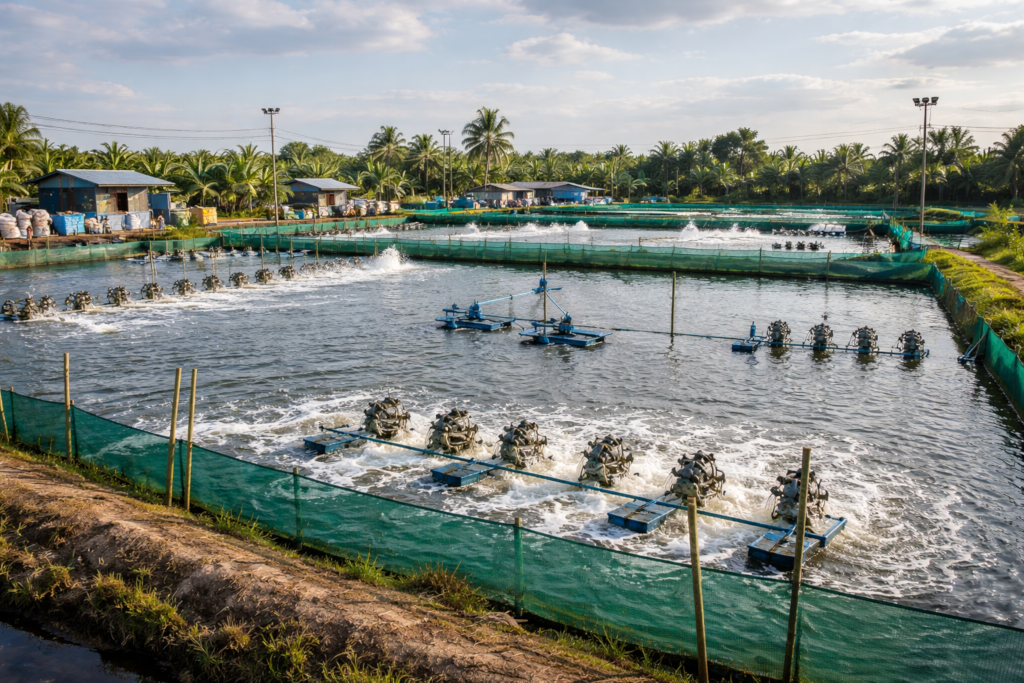
Shrimp is an interesting case because it exists in both wild and farmed forms at large scale. Wild shrimp feed on algae, plankton, and organic debris in the ocean. Farmed shrimp are often raised in controlled ponds and may be fed commercial feed that includes plant-based ingredients.
There are also additional considerations with shrimp farming. In some regions, antibiotics and chemicals are used to manage disease in crowded environments. While regulations vary, these practices can influence the final product.
From a low-lectin perspective, shrimp itself is not a lectin source. But the conditions under which it is raised can influence its purity and how well it fits into a clean, low-inflammatory diet.
Wild shrimp generally offer a simpler profile. They are not exposed to feed derived from high-lectin crops, and they tend to have fewer additives or residues when sourced responsibly.
Environmental Stress and Its Impact on Food Quality
Another factor that is often overlooked is stress. Fish raised in crowded environments experience different conditions than those in the wild. Limited space, altered water quality, and high-density populations can affect how these animals grow.
Stress in animals can influence hormone levels, immune function, and overall health. This can, in turn, affect the quality of the meat. While the exact mechanisms are still being studied, there is growing interest in how animal welfare and environmental conditions translate into nutritional differences.
Wild fish are not stress-free, but they live within natural patterns that their biology is adapted to. Farmed fish live within systems designed for efficiency.
For someone following a low-lectin lifestyle, the goal is often to reduce unnecessary stressors on the body. Choosing food that comes from less stressed systems may support that goal in subtle but meaningful ways.
Contaminants and Purity
Both wild and farmed seafood can be exposed to contaminants, but the sources differ. Wild fish may accumulate heavy metals like mercury depending on their size and position in the food chain. Larger predatory fish tend to have higher levels.
Farm raised fish may have lower levels of certain environmental contaminants, but they can be exposed to pollutants in feed, as well as chemicals used in farming operations. Shrimp farming in particular has faced scrutiny in some parts of the world due to water quality issues and the use of antibiotics.
For a low-lectin lifestyle, the concept of purity matters. The goal is not just to avoid lectins, but to minimize unnecessary chemical and inflammatory inputs overall. This often leads to a balanced approach. Smaller wild fish, responsibly sourced shrimp, and attention to origin can help reduce exposure to both environmental toxins and farming-related residues.
Taste, Texture, and Satiety
There is also a more immediate and sensory difference between wild and farmed seafood. Wild fish often have firmer texture and more complex flavor. This is partly due to their varied diet and active lifestyle. Farmed fish can be softer and milder, which some people prefer, but others find less satisfying.
Satiety, or the feeling of fullness after eating, can also be influenced by nutrient density. Foods that are richer in beneficial fats and micronutrients tend to leave people feeling more satisfied.
While this may not seem directly related to lectins, it connects to eating patterns. When meals are more satisfying, people are less likely to snack on processed foods, many of which are high in lectins. In this way, choosing higher-quality seafood can support better overall dietary habits.
Practical Considerations Without Overcomplication
It is easy to turn food choices into a rigid system, but the goal of a sustainable low-lectin lifestyle is flexibility with awareness. Wild caught seafood is often more expensive and not always available. Farm raised options can still have a place, especially when sourced from producers that prioritize quality and transparency.
If you are making decisions in a grocery store or market, a few guiding ideas can help without turning the process into a checklist. Look for smaller fish like sardines, anchovies, or wild salmon when possible. These tend to have favorable fat profiles and lower contaminant levels.
Pay attention to sourcing labels. Terms like wild caught, responsibly farmed, or sustainably sourced can provide clues, though they are not perfect guarantees. When choosing shrimp, look for information about origin and farming practices. Some regions have stricter standards than others.
Most importantly, focus on how your body responds. The low-lectin lifestyle is not just about theory. It is about personal experience and adaptation.
The Bigger Picture
The difference between wild and farmed seafood is not just about lectins. It is about the entire chain of inputs that lead to the final product. In a modern food system, even foods that seem simple can carry hidden complexity. Fish that eat grains, shrimp raised in controlled ponds, and feeds derived from high-lectin crops all represent layers of processing that did not exist in traditional diets.
Returning to more natural sources, when possible, aligns with the broader philosophy of reducing unnecessary stress on the body. This does not mean perfection is required. It means awareness is valuable.
Bringing It Back to the Plate
A meal built around wild caught fish or shrimp is more than just a source of protein. It is a reflection of choices that ripple through the body. When paired with properly prepared vegetables, healthy fats, and thoughtful cooking methods, seafood can be one of the most supportive components of a low-lectin lifestyle.
The key is not to view wild versus farmed as a strict rule, but as a spectrum. On one end is food that closely reflects natural systems. On the other is food shaped heavily by industrial processes. Moving toward the natural end of that spectrum, even gradually, can make a difference.
Final Thoughts
Wild caught shrimp and fish tend to align more closely with the goals of a low-lectin lifestyle. Not because they contain fewer lectins directly, but because they are less influenced by lectin-rich feeds and industrial farming practices.
They offer more favorable fat profiles, fewer additives, and a closer connection to natural ecosystems. Farm raised seafood is not inherently harmful, but it introduces variables that are worth understanding. Feed composition, environmental conditions, and farming practices all shape the final product in ways that matter.
At the end of the day, the low-lectin approach is about reducing friction between what we eat and how our bodies respond. Choosing seafood that is closer to its natural state is one way to do that. It is not about fear. It is about clarity.
And once you see the difference, it becomes easier to make choices that feel aligned, not restrictive.