When people first begin exploring a low-lectin lifestyle, their attention is usually drawn to the obvious culprits. Beans, grains, nightshades, seeds. The conversation often revolves around what to remove, how to prepare food differently, and how to listen to the body’s signals more carefully. But as that journey deepens, something subtler begins to emerge.
It is not just about what foods contain lectins. It is about how those foods interact with the rest of the nutritional landscape. And one of the most overlooked pieces of that landscape is the balance between omega-6 and omega-3 fatty acids.
This balance does not scream for attention. It does not show up as a sudden reaction or a clear digestive issue. Instead, it quietly influences inflammation, recovery, energy levels, and long-term health. For someone committed to a low-lectin approach, understanding this balance can be the difference between feeling better and truly thriving.
Understanding the Basics Without the Noise
At their core, omega-3 and omega-6 fatty acids are both essential fats. The body cannot produce them on its own, so they must come from food. That part is straightforward. Where things get complicated is not in what they are, but in what they do.
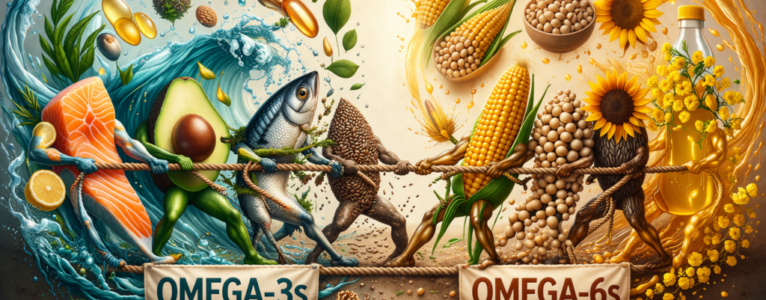
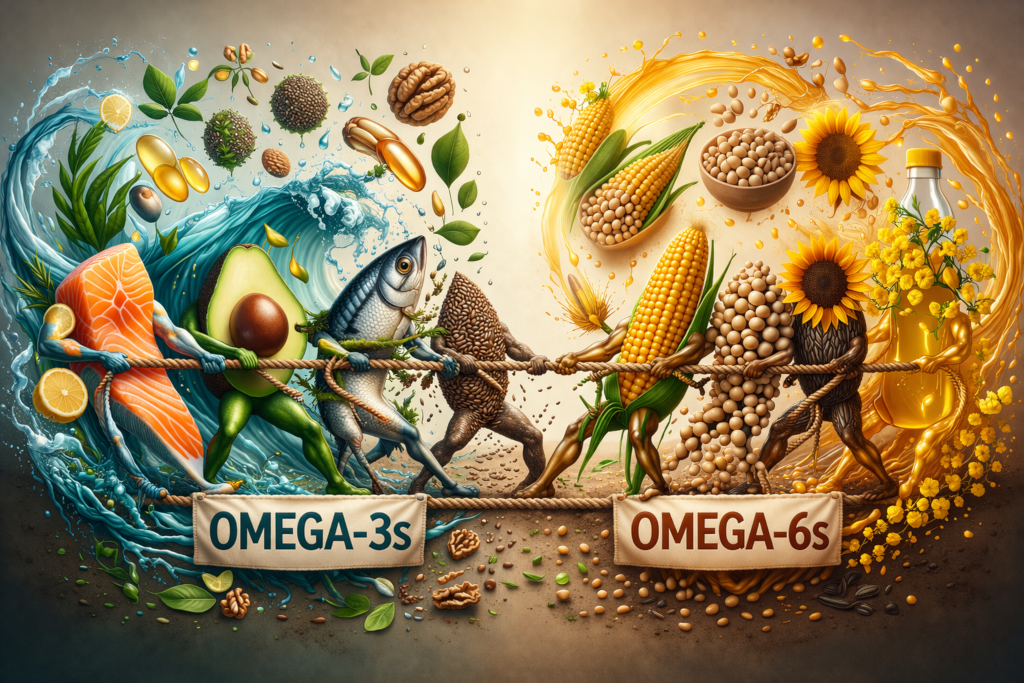
Omega-3 fatty acids are generally associated with calming inflammation, supporting brain health, and helping regulate immune responses. They are commonly found in fatty fish like salmon, sardines, and mackerel, as well as in smaller amounts in certain plant foods.
Omega-6 fatty acids, on the other hand, are not inherently bad. They play important roles in skin health, growth, and cellular function. The problem is not their existence. The problem is their dominance.
Modern diets tend to be heavily skewed toward omega-6. This is largely due to the widespread use of seed oils such as soybean oil, corn oil, sunflower oil, and canola oil. These oils are inexpensive, shelf-stable, and used extensively in processed foods and restaurant cooking.
The result is a ratio that is far removed from what human physiology evolved to handle.
The Ratio That Changed Everything
Anthropological and nutritional research suggests that humans historically consumed omega-6 and omega-3 fats in a ratio closer to 1:1 or perhaps 2:1. Today, that ratio can easily reach 15:1 or even higher in many Western diets.
This imbalance matters because omega-6 and omega-3 fats compete for the same metabolic pathways. When omega-6 dominates, it can push the body toward a more inflammatory state. Not acute inflammation, which is necessary for healing, but chronic, low-grade inflammation that quietly contributes to fatigue, joint discomfort, digestive issues, and metabolic problems.
For someone following a low-lectin lifestyle, this becomes especially relevant.
Where Lectins and Fatty Acids Intersect
Lectins are often discussed in the context of gut health and immune response. Certain lectins can bind to cells in the gut lining and may contribute to irritation or permeability in sensitive individuals. This can lead to a cascade of immune activity. Now consider what happens when that immune system is already primed by an imbalance in fatty acids.
If omega-6 intake is high and omega-3 intake is low, the body is more likely to amplify inflammatory signals. This means that even a small lectin exposure might feel more significant. Reactions may be stronger, recovery may be slower, and symptoms may linger longer than expected.
On the flip side, when omega-3 intake is sufficient and omega-6 is kept in check, the body is better equipped to regulate its response. The immune system becomes less reactive and more balanced. This does not eliminate sensitivity to lectins, but it can change the intensity of the experience.
In this way, fatty acid balance acts like a volume control knob on inflammation.
The Hidden Sources That Complicate Things
One of the challenges in managing omega-6 intake is that it often comes from places people do not expect. Even individuals who carefully avoid high-lectin foods may still consume significant amounts of omega-6 through:
- Cooking oils used in restaurants
- Packaged foods labeled as healthy
- Salad dressings and sauces
- Nuts and seeds, which can be both nutrient-rich and omega-6 heavy
This creates a subtle contradiction. Someone may be diligently reducing lectin exposure while unknowingly maintaining a high inflammatory baseline through their fat intake. It is not about eliminating these foods entirely. It is about awareness and proportion.
Reframing the Role of Fats in a Low-Lectin Lifestyle
A low-lectin approach is often described in terms of restriction, but it is equally about replacement. When high-lectin foods are reduced, what takes their place matters. This is where fat quality becomes a central player.
Instead of relying on seed oils, many people shift toward:
- Olive oil
- Avocado oil
- Coconut oil
- Animal fats from well-raised sources
These fats tend to be lower in omega-6 and more stable when cooking. They also align better with the goal of reducing inflammatory load.
At the same time, increasing omega-3 intake becomes a proactive strategy rather than an afterthought. Fatty fish becomes more than just a protein source. It becomes a tool for balancing the internal environment.
The Gut Connection
The relationship between fatty acids and gut health is another layer that often goes unnoticed. Omega-3 fatty acids have been shown to support the integrity of the gut lining and influence the composition of the microbiome. A healthier gut barrier can mean less unintended interaction between lectins and the immune system.
Omega-6 fatty acids, when consumed in excess, may contribute to changes in gut permeability and microbial balance that are less favorable. For someone already navigating lectin sensitivity, this can either reinforce progress or quietly undermine it.
Energy, Recovery, and the Day-to-Day Experience
Beyond the biochemical details, there is a practical side to this conversation. People on a low-lectin lifestyle often report changes in energy levels, mental clarity, and recovery after meals or exercise. While lectins play a role in this, fatty acid balance can amplify or dampen these effects.
A diet high in omega-6 and low in omega-3 may lead to:
- Slower recovery after physical activity
- Persistent low-level fatigue
- Brain fog or reduced focus
Balancing these fats does not create overnight transformation, but it can shift the baseline over time. Energy becomes more stable. Recovery feels more complete. The body begins to feel less like it is constantly managing internal friction.
Practical Adjustments Without Overcomplication
It is easy to turn this topic into another list of rules, but the reality is simpler. The goal is not perfection. It is direction.
Small adjustments can have meaningful impact:
- Cooking at home more often using stable fats
- Being mindful of how often seed oils are consumed
- Incorporating fatty fish regularly
- Viewing nuts and seeds as occasional additions rather than staples
These changes do not require a complete overhaul. They require awareness and consistency.
The Bigger Picture of Inflammation
At its core, the low-lectin lifestyle is not just about avoiding certain foods. It is about reducing unnecessary stress on the body. Lectins are one piece of that puzzle. Fatty acid balance is another.
When both are addressed, the effects can be complementary. Reducing lectin exposure lowers one source of irritation. Balancing omega-6 and omega-3 reduces the body’s tendency to overreact.
Together, they create an environment where healing and stability are more likely.
A More Nuanced Way to Look at Food
One of the most valuable shifts that happens on this journey is moving away from labeling foods as simply good or bad. Omega-6 is not the enemy. Lectins are not universally harmful. Context matters.
The modern food environment, however, has distorted that context. It has increased exposure to certain compounds while reducing others. The result is imbalance. A low-lectin lifestyle, when combined with thoughtful attention to fatty acids, is really about restoring that balance. It is about bringing the body closer to the conditions it evolved to handle.
Closing Thoughts: Beyond the Surface
It is tempting to focus only on what is visible. The ingredients on a label. The foods on a plate. The immediate reactions after a meal. But much of what shapes health happens beneath the surface. The interplay between omega-6 and omega-3 fatty acids is one of those hidden dynamics. It does not announce itself loudly, but it influences nearly every system in the body.
For those walking the path of a low-lectin lifestyle, paying attention to this balance can deepen the benefits of everything else they are already doing. It is not about adding complexity. It is about understanding the quiet forces that shape how the body responds, adapts, and ultimately heals.
And sometimes, the most powerful changes are the ones that happen without making a lot of noise.