Comfort food is rarely just about food. It is memory, routine, family, weather, stress relief, and the kind of meal that tells your nervous system, “You can relax now.” A bubbling casserole, a bowl of chili, a plate of pasta, a warm slice of something baked and familiar, these foods often carry emotional weight long before we ever think about ingredients. That is why switching to a low-lectin lifestyle can feel intimidating at first. People do not only worry about what they will remove. They worry about losing the meals that made them feel at home.
The good news is that low-lectin eating does not have to mean abandoning comfort food. It means learning how to rebuild it. A comforting dish is usually made from a few core experiences: warmth, richness, texture, aroma, salt, fat, protein, and a sense of fullness. Many traditional comfort foods rely on ingredients that may be higher in lectins, especially grains, beans, conventional pasta, nightshade vegetables, seed-heavy sauces, and certain legumes. But when you understand what those ingredients are doing in the dish, you can replace the function instead of chasing an exact copy.
Modern nutrition discussions around lectins often emphasize that cooking methods matter. Lectins are proteins found in many plants, and their activity can be reduced by traditional preparation methods such as soaking, boiling, pressure cooking, fermenting, sprouting, and removing skins or seeds. Wet high-heat cooking methods are especially important for certain high-lectin foods, and raw or undercooked legumes are the classic example of what to avoid. For someone following a low-lectin plan, the goal is not fear. The goal is thoughtful selection, careful preparation, and paying attention to how your body responds.
Rebuilding Comfort by Understanding the Role of Each Ingredient
The easiest way to convert a comfort food classic is to stop asking, “What can I use instead of this exact ingredient?” and start asking, “What job was this ingredient doing?” A bowl of pasta is not only about wheat. It is about softness, sauce-carrying ability, warmth, and satiety. Chili is not only about beans and tomatoes. It is about depth, spice, body, and slow-cooked richness. Mashed potatoes are not only about potatoes. They are about creamy texture, butteriness, and the feeling of a warm spoonful that settles into a meal.
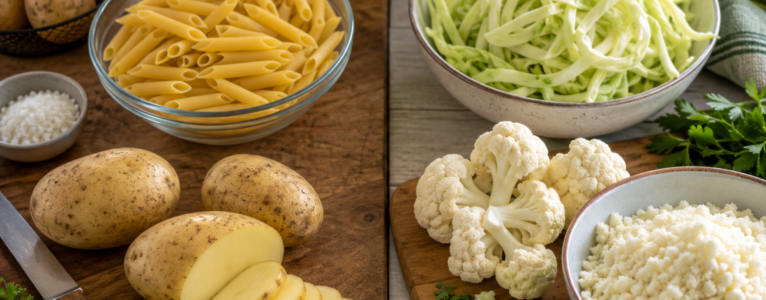
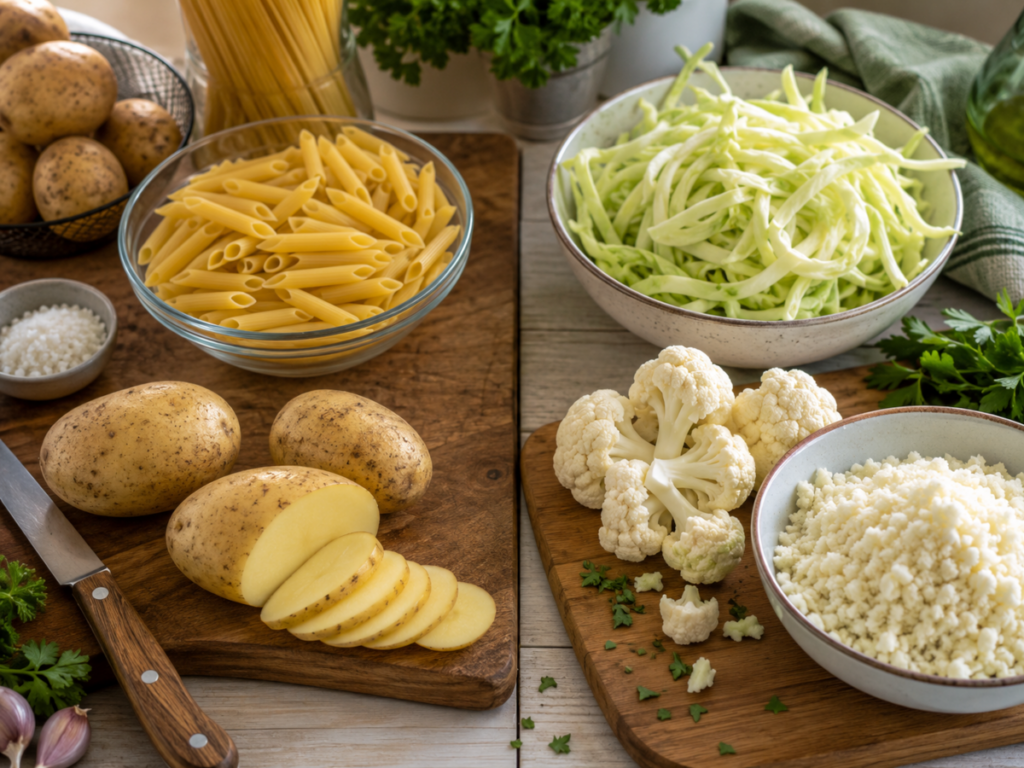
Once you think this way, low-lectin substitutions become more flexible. Cauliflower can become rice, mash, crust, or a thickener. Cabbage can become noodles, wraps, or the soft base of a skillet meal. Greens can replace grain bulk when they are cooked down with enough fat and seasoning. Mushrooms can bring the savory depth that many people miss when removing beans or tomato-heavy sauces. Avocado, olive oil, coconut milk, compliant dairy alternatives, and slow-cooked proteins can restore richness without relying on ingredients that may be reactive for some readers.
This approach also prevents the biggest mistake people make when converting comfort foods: swapping one ingredient and expecting the entire dish to behave the same. Almond flour does not act like wheat flour. Cauliflower rice does not absorb sauce like white rice. Zucchini noodles do not have the same bite as pasta. That does not mean they fail. It means the rest of the recipe needs to change around them. Sometimes you reduce sauce more, cook vegetables less, add a binding ingredient, increase herbs, or use a richer fat to create satisfaction.
Think of low-lectin conversion as recipe translation, not recipe punishment. You are translating the original meal into a new ingredient language. The result may not be identical, but it can still be deeply comforting.
Turning Pasta, Pizza, and Casseroles into Low-Lectin Meals
Pasta dishes are often the first comfort foods people worry about losing. Wheat pasta provides chew, structure, and a neutral base for sauce, which is why it appears in everything from baked ziti to chicken Alfredo. In a low-lectin kitchen, you can rebuild the experience with spiralized zucchini, hearts of palm noodles, shirataki noodles, spaghetti squash, cabbage ribbons, or carefully selected low-lectin packaged alternatives. Each option has its own personality. Zucchini feels fresh and light, spaghetti squash gives a naturally sweet strand-like texture, cabbage ribbons hold up well in skillet meals, and hearts of palm noodles can carry sauce without becoming too watery.
The secret is to match the noodle replacement to the sauce. A delicate garlic and olive oil sauce works beautifully with zucchini or cabbage. A creamy sauce can help hearts of palm noodles feel more substantial. A baked casserole needs ingredients that will not release too much water, which means vegetables should often be pre-cooked, squeezed, or roasted before assembly. This is one of those small kitchen habits that changes everything. If you put watery vegetables directly into a casserole, the dish becomes loose and disappointing. If you cook off that moisture first, you get a much more classic comfort food texture.
Pizza can be handled the same way. Instead of thinking only about crust, think about the pizza experience: crisp edges, savory toppings, melted richness, herbs, and a satisfying hand-held or fork-and-knife bite. Cauliflower crusts, almond flour crusts, coconut flour blends, cheese-based crusts, or vegetable “pizza boats” can all work depending on the reader’s tolerance and dietary framework. The sauce is often where lectins sneak back in, especially through tomato-based pizza sauce. A low-lectin approach may use a roasted garlic cream sauce, basil pesto without problematic seeds, olive oil with herbs, or a peeled and deseeded pressure-cooked tomato sauce if the person includes properly prepared nightshades.
Casseroles are actually one of the friendliest categories for low-lectin conversion because they are forgiving. A traditional casserole usually includes starch, protein, sauce, and topping. The starch can become cauliflower rice, shredded cabbage, cooked greens, rutabaga mash, or a compliant noodle. The sauce can be built from broth, coconut milk, olive oil, herbs, garlic, onion, mushrooms, or a thick vegetable puree. The topping can shift from breadcrumbs to crushed compliant crackers, toasted coconut flakes for certain flavor profiles, almond flour crumbs, parmesan if tolerated, or simply a golden layer of sauce and protein.
Comfort food does not need a perfect imitation to be emotionally satisfying. It needs warmth, aroma, and enough texture contrast to feel complete.
Replacing Beans, Tomatoes, Potatoes, and Grains Without Losing the Meal
Many classic comfort dishes are built around beans, tomatoes, potatoes, corn, or grains. These ingredients are common because they are inexpensive, filling, and familiar. In low-lectin cooking, they often require either careful preparation, selective avoidance, or thoughtful replacement. This is where readers need reassurance. Removing a familiar base does not mean the dish becomes empty. It means the structure has to come from somewhere else.
Beans are one of the biggest comfort food anchors, especially in chili, soups, stews, dips, and casseroles. They provide body, starchiness, and protein. For a low-lectin version, chopped mushrooms, ground turkey, grass-fed beef, shredded chicken, pressure-cooked compliant vegetables, or diced rutabaga can create substance. In chili-style dishes, the flavor does not have to come from beans. It can come from browned meat, onion, garlic, cumin, oregano, smoked paprika, bone broth, and slow simmering. If tomatoes are removed too, roasted red pepper flavor is usually not the answer for strict low-lectin plans because peppers are nightshades. Instead, depth can come from mushroom broth, caramelized onion, a small amount of compliant vinegar, herbs, and a rich fat finish.
Tomatoes are trickier because they bring acidity, sweetness, color, and moisture. Some low-lectin plans allow peeled and deseeded tomatoes, especially when pressure cooked, while others remove them entirely. Removing skins and seeds matters because many plant defense compounds and lectin-associated concerns are concentrated in outer coatings and seed structures. Harvard’s Nutrition Source notes that lectins are water-soluble and often found on the outer surface of foods, which helps explain why soaking and wet cooking can reduce activity. For readers who are sensitive, a tomato-free sauce can be built with roasted carrots if tolerated, pumpkin, onion, garlic, olive oil, herbs, and a splash of vinegar for brightness.
Potatoes often appear in comfort food because they are soft, starchy, and neutral. Mashed potatoes, potato soup, shepherd’s pie, and fries all rely on that creamy or crisp satisfaction. Low-lectin alternatives include cauliflower mash, celery root mash, rutabaga, turnip, parsnip in moderation depending on the plan, or a blend of cauliflower and a richer ingredient such as olive oil or compliant cheese. The key is not pretending cauliflower is potato. The key is seasoning it properly. Cauliflower mash needs enough salt, fat, and sometimes roasted garlic to become comforting. Without those, it tastes like a compromise. With them, it becomes its own cozy side dish.
Grains are another major category. Rice, wheat, oats, and corn show up everywhere from breakfast bowls to casseroles. Low-lectin swaps depend on the dish. Cauliflower rice works well when the sauce is bold. Shredded cabbage works beautifully in fried rice-style meals. Coconut flour and almond flour can help with baking, but they need different moisture ratios because they do not behave like wheat flour. Cassava flour is used by some low-lectin cooks, though tolerance varies by individual and plan. The larger lesson is simple: grain-free cooking requires moisture management. Low-lectin baked goods often need eggs, fat, and careful measuring because the structure is different.
Keeping Flavor, Texture, and Emotional Satisfaction
A low-lectin comfort meal can fail even when every ingredient is technically compliant. Usually, it fails because it is missing flavor architecture. Traditional comfort food is rarely bland. It uses browning, fat, salt, herbs, acidity, and time. When converting recipes, these tools become even more important because you are asking new ingredients to carry an old emotional expectation.
Browning is one of the most powerful tricks. Ground meat browned properly before adding liquid will taste deeper than meat simply simmered in sauce. Mushrooms cooked until their moisture evaporates can add a savory depth that helps replace beans or tomato paste. Onions cooked slowly become sweet and rich. Garlic added at the right time gives aroma without burning. These small techniques make low-lectin meals feel intentional instead of restricted.
Texture also matters. Many low-lectin swaps are vegetable-based, which can make dishes feel softer or wetter than the originals. You can fix that by layering textures. A creamy cauliflower mash feels more complete with crisp-edged roasted chicken. A cabbage noodle skillet feels better when the cabbage is lightly sautéed instead of cooked until limp. A casserole becomes more satisfying when the top is browned. A soup feels heartier when it includes shredded meat, sautéed mushrooms, or a swirl of olive oil at the end.
Acidity is another overlooked comfort food tool. When tomatoes are removed, many dishes lose brightness. A small amount of apple cider vinegar, lemon juice, or another tolerated acid can wake up a sauce. The goal is not to make the dish sour. It is to keep richness from feeling flat. This is especially helpful in stews, creamy sauces, and meat-heavy dishes.
Most importantly, readers should be encouraged to keep the emotional ritual. Use the same bowl. Add the same herbs. Serve the dish on the same cold night when you would have made the original. Comfort food is partly sensory and partly symbolic. A low-lectin lifestyle becomes easier when people realize they can preserve the ritual even while changing the ingredients.
A Practical Way to Convert Any Classic Recipe
When looking at an old favorite, start by identifying the high-lectin or potentially reactive ingredients. These often include wheat flour, standard pasta, beans, corn, peanuts, soy, nightshades with skins and seeds, and certain grains or legumes. Then decide whether the ingredient should be removed, replaced, or prepared differently. Some foods may be made more compatible through pressure cooking, peeling, deseeding, soaking, fermenting, or boiling, while others may be better swapped completely depending on the person’s sensitivity and the structure of their low-lectin plan. Research and clinical discussions continue to show that preparation changes lectin activity, but individual tolerance still matters.
Next, identify what the ingredient contributed. Was it bulk, creaminess, sweetness, acidity, chew, crispness, or protein? This step keeps the recipe from becoming a pile of substitutions. If beans gave chili its body, use mushrooms, meat, and slow reduction. If pasta carried Alfredo sauce, use a noodle replacement that can hold creaminess. If breadcrumbs gave a casserole its topping, create browning another way. If tomatoes gave brightness, use herbs and acid.
Finally, test the converted dish without expecting the first version to be perfect. Low-lectin cooking gets easier because your instincts improve. You begin to know which swaps release water, which ones need more fat, which sauces need longer simmering, and which dishes are better reimagined instead of copied. That is where the lifestyle becomes sustainable. You stop feeling like you are constantly removing things and start feeling like you are building your own kitchen language.
Comfort food classics can absolutely have a place in a low-lectin life. They may look a little different. They may use cauliflower instead of potatoes, cabbage instead of noodles, mushrooms instead of beans, or herb-rich sauces instead of tomato-heavy ones. But the heart of the meal can remain: warm food, familiar aromas, satisfying textures, and the feeling that eating well does not have to mean giving up the dishes that made you feel cared for.
Low-lectin living works best when it is practical, personal, and flexible enough to survive real life. Converting comfort food is one of the best ways to prove that. It turns the lifestyle from a list of restrictions into a creative kitchen skill, one meal at a time.