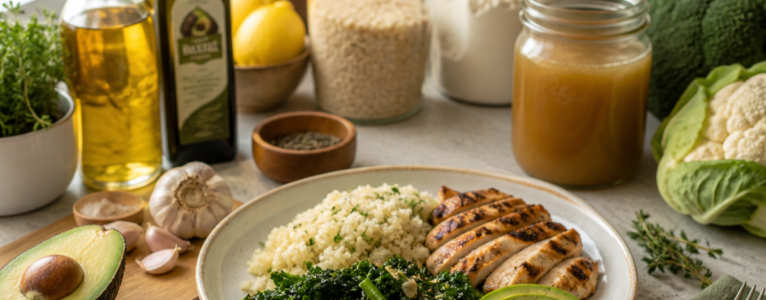
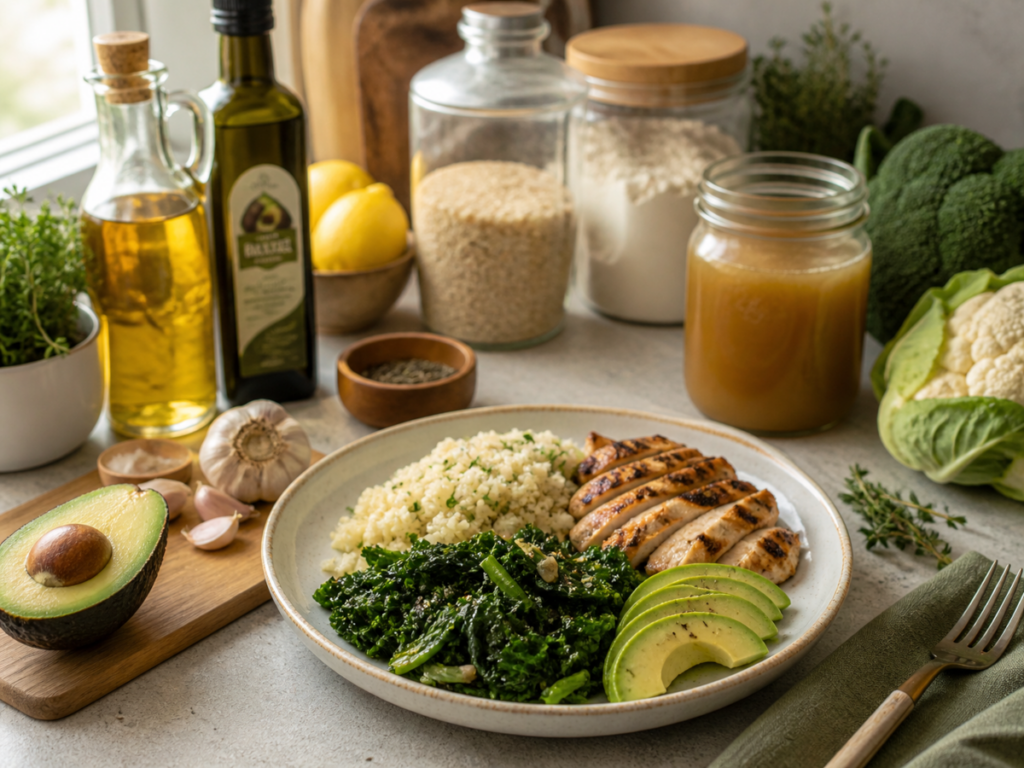
A low-lectin lifestyle becomes much easier when your pantry quietly supports you before hunger starts making decisions. Most people begin by asking what they need to remove: beans, conventional grains, peanuts, cashews, nightshade-heavy sauces, seed-heavy snacks, and mystery-ingredient packaged foods. That question matters, but the more sustainable question is what you can reach for instead. A well-built pantry turns low-lectin eating from a daily negotiation into a practical rhythm.
The goal is not to create a pantry that feels like punishment. The goal is to create one that helps you cook quickly, build satisfying meals, and avoid the “there is nothing I can eat” spiral. Lectins are carbohydrate-binding proteins found in many plants, and they are especially relevant in raw or undercooked legumes, some grains, and certain seeds. Cooking, soaking, boiling, pressure cooking, peeling, deseeding, and fermenting can reduce lectin activity in many foods, which is why preparation matters as much as the ingredient itself. Harvard’s Nutrition Source notes that wet, high-heat cooking methods such as boiling and stewing, along with soaking, can inactivate many lectins.
That said, low-lectin eating should be presented honestly. Mainstream medical organizations do not agree with claims that removing lectins cures disease, and Mayo Clinic has stated that evidence does not show lectin elimination cures medical conditions, including autoimmune diseases. For many people, the value of a low-lectin pantry is not about chasing a miracle. It is about reducing common dietary irritants, simplifying ingredient choices, improving cooking habits, and learning which foods make their own body feel calmer, steadier, and better supported.
Building a Pantry Around Safety, Simplicity, and Repeatable Meals
A lectin-safe pantry starts with a simple mindset: every shelf should help you build a meal without relying on high-risk shortcuts. That means replacing “emergency food” with ingredients that still feel convenient but are more aligned with your plan. Instead of boxed pasta, refined snack crackers, bean-based chips, peanut butter, and tomato-heavy sauces, you want items that can become soups, skillet meals, breakfast bowls, dressings, sauces, baked goods, and quick sides.
The first shelf to rethink is the starch shelf. Many standard pantries are built around wheat flour, corn products, oats, rice, pasta, and beans. In a low-lectin kitchen, those may be reduced, avoided, or handled with specific preparation methods depending on the person’s tolerance and version of the lifestyle. Good replacements include millet, sorghum, pressure-cooked white rice if tolerated, sweet potato flour, green banana flour, cassava flour, tiger nut flour, coconut flour, and blanched almond flour. These ingredients do not behave exactly like wheat flour, so the pantry also needs patience. Low-lectin baking is less about substitution and more about learning a new language.
Millet and sorghum are especially useful because they can support both savory and breakfast-style meals. Millet can become a warm porridge, a grain-style side, or a base for a risotto-like dish. Sorghum can be used as a cooked whole grain or as flour in baking blends. These are not automatically perfect for every person, but they give the low-lectin pantry a sense of flexibility. They help replace the emotional role of rice, pasta, and wheat without forcing every meal to become meat and salad.
Your pantry should also include easy structure builders. Shelf-stable coconut milk, compliant bone broth or vegetable broth, wild-caught canned fish, artichoke hearts in clean brine, hearts of palm, olives, capers, compliant pickles, and plain canned pumpkin can make meals feel finished instead of improvised. These ingredients add richness, acidity, body, or protein without requiring a long cooking session. When someone is tired, that matters. A pantry that only works when you have two free hours is not a lifestyle pantry, it is a weekend project.
Oils, Fats, and Flavor Anchors That Carry the Meal
Healthy fats are one of the most important parts of a low-lectin pantry because they help replace the satisfaction people used to get from bread, pasta, chips, and creamy processed foods. Extra virgin olive oil should be the everyday foundation. It works in dressings, vegetable sautés, marinades, finishing drizzles, and simple sauces. Avocado oil is useful for higher-heat cooking because of its neutral flavor and kitchen versatility. Coconut oil, ghee, and grass-fed butter, if tolerated, can support baking and richer dishes.
The trick is not just having oils, but knowing which one belongs where. Extra virgin olive oil is beautiful when the flavor matters, especially over cooked greens, roasted vegetables, seafood, or salads. Avocado oil is better when you want the oil to step into the background, like when searing chicken, making a quick skillet hash, or coating vegetables before roasting. Coconut oil can be helpful in baked goods, curries, and breakfast-style recipes, but its flavor is not invisible. Ghee adds a buttery depth without the same milk solids found in regular butter, though dairy tolerance varies from person to person.
Flavor anchors keep the pantry from becoming bland. Garlic powder, onion powder, ginger, turmeric, rosemary, thyme, oregano, basil, parsley, cinnamon, cloves, and sea salt can transform basic ingredients into food that feels intentional. Vinegars are just as important. Apple cider vinegar, coconut vinegar, balsamic vinegar without added junk, and champagne vinegar can brighten heavy meals and help create quick dressings. Citrus is fresh rather than pantry-based, but keeping bottled organic lemon or lime juice as a backup can save a meal when fresh fruit is not available.
This is also where many people accidentally undermine themselves. Seasoning blends often contain paprika, chili powder, tomato powder, soybean oil, corn starch, sugar, maltodextrin, or “natural flavors” that may not fit the plan. A low-lectin pantry works best when you build flavor from individual spices and simple blends you understand. That does not mean fear every label. It means stop letting vague labels make decisions for your gut.
Flours, Thickeners, and the Art of Low-Lectin Baking
Flours are where the low-lectin pantry can either feel empowering or confusing. Wheat flour performs in a very specific way because gluten provides structure, stretch, and chew. When you remove wheat, you are not simply removing lectins. You are also removing the architecture that makes familiar baked goods behave the way they do. That is why cassava flour, almond flour, coconut flour, tiger nut flour, green banana flour, and sweet potato flour all have different personalities.
Cassava flour is often the most familiar-feeling option because it can mimic some of the softness and flexibility people miss from wheat-based foods. It can be useful for tortillas, flatbreads, pancakes, and certain baked goods. But cassava must be sourced and prepared properly, since cassava as a plant can contain naturally occurring cyanogenic compounds when improperly processed. This is one reason reputable brands matter. A low-lectin pantry is not just about avoiding one category of plant defense compounds. It is about respecting food preparation as a whole.
Blanched almond flour is rich, moist, and useful in muffins, crusts, coatings, and cookies. Coconut flour is highly absorbent and cannot be swapped one-for-one with other flours. A small amount can thicken batters dramatically, which is great when you expect it and disastrous when you do not. Tiger nut flour, despite the name, is made from a small tuber rather than a tree nut. It brings natural sweetness and works well in rustic baked goods. Green banana flour can add resistant starch and structure, though it has its own flavor and digestive impact, so it is best introduced gradually.
For thickening sauces, arrowroot starch and tapioca starch are useful pantry tools. They can help create gravies, glossy stir-fry sauces, fruit fillings, and creamy soups without wheat flour. The key is moderation. A low-lectin pantry should not become a starch-heavy pantry wearing a different costume. These ingredients are tools, not the foundation of every meal.
Protein Backups and Pantry Meals for Real Life
A pantry is only truly useful if it can rescue dinner. That means keeping protein options available for days when cooking from scratch is not realistic. Wild-caught canned salmon, sardines, tuna, and mackerel can become quick salads, lettuce wraps, cauliflower rice bowls, or protein-rich snack plates. Clean jerky or meat sticks can be useful occasionally, but labels need careful reading because many contain soy sauce, sugar, nightshade spices, or preservatives that may not fit your approach.
Bone broth is another pantry hero. It can become a soup base, a cooking liquid for millet, a quick sipping broth, or the beginning of a sauce. A carton of compliant broth plus frozen greens, canned pumpkin, herbs, olive oil, and leftover protein can become a soothing meal in minutes. This is the kind of practical setup that keeps people consistent. You are not trying to win a cooking show every night. You are trying to make the next good choice easier than the next chaotic one.
Shelf-stable vegetables can help, but this category takes discernment. Canned tomatoes, peppers, corn, and beans are common pantry staples, but they are not usually the safest starting point for a low-lectin plan. Beans deserve special caution because raw or undercooked kidney beans contain phytohaemagglutinin, a lectin that can cause nausea, vomiting, and diarrhea at high levels. The FDA notes that properly cooked and canned kidney beans contain low levels that are not expected to affect people, while raw or undercooked beans can be dangerous. EFSA also reported in January 2026 that properly soaking and boiling beans helps avoid potential health risks from lectins in undercooked pulses.
For someone following a stricter low-lectin plan, the safer pantry move is to emphasize non-bean alternatives. Hearts of palm can stand in for pasta-like textures. Artichokes add substance to salads and skillet meals. Seaweed snacks, if tolerated and cleanly sourced, can add minerals and crunch. Unsweetened coconut flakes, compliant nuts, and seeds that fit your personal version of the plan can help with snacks, but this is where personalization matters. Some people tolerate certain nuts beautifully. Others notice symptoms from the same foods.
Sauces, Sweeteners, and the Hidden Pantry Traps
Sauces are where many low-lectin plans quietly fall apart. A meal may start with compliant protein, greens, and a safe starch, then get covered in a sauce made with soybean oil, tomato paste, corn syrup, chili extract, modified food starch, or peanut ingredients. This does not mean sauces are off-limits. It means your pantry should contain sauce starters rather than mystery bottles.
A simple sauce can begin with olive oil, vinegar, mustard without additives, herbs, garlic, and sea salt. A creamy sauce can start with coconut milk, tahini if tolerated, avocado, or blended cauliflower. A savory glaze can use coconut aminos instead of soy sauce. A bright dressing can come from lemon juice, olive oil, minced herbs, and a small amount of compliant mustard. Once these basics are on hand, sauce becomes less intimidating.
Sweeteners should be treated as accents. Monk fruit, allulose, raw local honey, maple syrup, coconut sugar, and date syrup may appear in different low-lectin kitchens depending on the person’s goals and tolerance. The important thing is not to rebuild a high-sugar pantry with trendier ingredients. A low-lectin lifestyle tends to work best when sweetness supports occasional recipes rather than driving daily cravings.
This is also a good place to store your “label-reading patience.” Look for hidden soy, corn derivatives, wheat, peanuts, cashews, gums, artificial sweeteners, seed oils, and nightshade spices if those are part of your avoidance list. Not every gum or additive affects every person, but complicated labels make it harder to troubleshoot symptoms. When your goal is digestive clarity, simple ingredients are your friend.
Turning the Pantry Into a Sustainable System
The best lectin-safe pantry is not the biggest one. It is the one you actually use. Start with the meals you already like, then build low-lectin versions around familiar patterns. If you love breakfast bowls, stock millet, coconut milk, cinnamon, compliant protein powder if used, and low-sugar toppings. If you love savory dinners, stock olive oil, avocado oil, broth, herbs, canned fish, hearts of palm, artichokes, arrowroot, and a few reliable flours. If you bake, choose two or three flours to master instead of buying ten at once.
A practical pantry also needs rotation. Low-lectin specialty flours can go stale, oils can oxidize, and nuts can become rancid. Store delicate flours in airtight containers, and keep nut-based flours in the refrigerator or freezer if you do not use them quickly. Buy smaller bottles of oils unless you cook with them constantly. A clean pantry is not only about what is absent. It is about freshness, storage, and trust.
The deeper benefit of pantry setup is emotional. When your shelves are aligned with your goals, eating this way stops feeling like a constant act of resistance. You can open the cabinet and see possibilities instead of restrictions. A nourishing soup, a simple skillet meal, a quick dressing, a low-lectin flatbread, a warm porridge, or a satisfying snack plate becomes available without starting from zero.
Living low-lectin is not about perfection. It is about pattern-building. Your pantry becomes the quiet structure behind that pattern, giving you fewer decisions to make when life gets busy and more confidence when symptoms make you cautious. With the right staples, oils, flours, and must-haves in place, the low-lectin kitchen becomes less like a strict rulebook and more like a supportive home base.