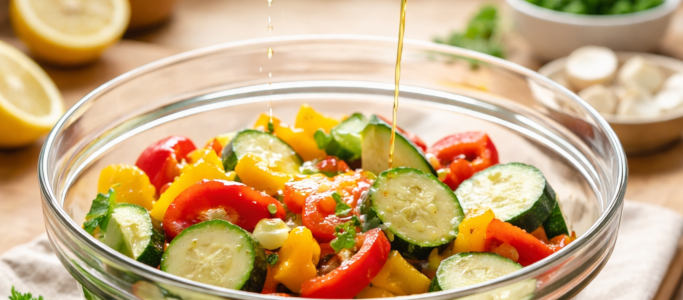
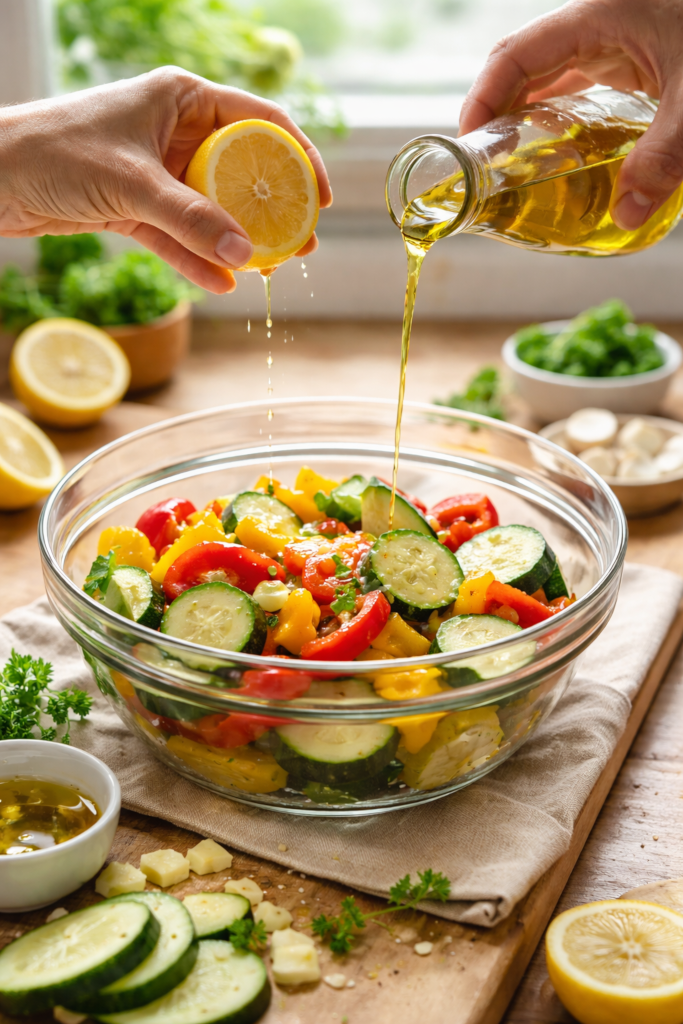
There is a moment in every kitchen where transformation begins. It might look simple on the surface. A splash of lemon juice, a drizzle of vinegar, a handful of herbs stirred into a bowl. But beneath that simplicity is a powerful interaction between food chemistry and human digestion. For those navigating a low-lectin lifestyle, this moment becomes more than preparation. It becomes strategy.
Lectins, as you already know from your journey through Living Low-Lectin, are naturally occurring proteins found in many plant foods. They serve a protective role for plants, but in the human body, especially when consumed in large amounts or in improperly prepared foods, they can interfere with digestion, bind to gut lining cells, and contribute to inflammation in sensitive individuals. While cooking techniques like pressure cooking and peeling have earned their place in lectin reduction, acidic marinades represent a quieter, often overlooked ally.
This is not about eliminating vegetables. It is about learning how to work with them in a way that respects both their structure and your body.
What Acid Actually Does to Plant Compounds
When we talk about acidic marinades, we are referring to environments created by ingredients like lemon juice, lime juice, apple cider vinegar, white vinegar, or even fermented liquids. These acids lower the pH around the food, creating conditions that can begin altering proteins and cellular structures.
Lectins themselves are proteins. Like many proteins, they are sensitive to changes in their environment. Heat is one way to denature them, which is why cooking is so effective. But acidity also plays a role by beginning to unfold protein structures, weakening their ability to bind effectively within the digestive system.
It is important to be clear and grounded here. Acid alone does not completely neutralize all lectins in every vegetable. That would be an oversimplification. However, acidity can reduce lectin activity, especially when combined with other preparation methods such as soaking, peeling, or cooking. Think of acid not as a standalone solution, but as a layer of defense that enhances everything else you are already doing.
There is also another benefit that often gets overlooked. Acid helps break down plant cell walls. This can improve digestibility overall, making nutrients more accessible and reducing the mechanical burden on your digestive system. For someone already dealing with gut sensitivity, this is not a small advantage.
The Traditional Wisdom We Often Forget
Long before modern nutrition science began analyzing lectins, cultures around the world were already using acidic preparation techniques. Pickling, fermenting, soaking vegetables in vinegar or citrus, and marinating foods before cooking were not just about flavor. They were about preservation, safety, and digestibility.
Consider traditional Mediterranean cooking, where vegetables are often dressed with lemon and olive oil before serving. Or Eastern European traditions of pickled cabbage and cucumbers. Or Latin American cuisine, where acidic components are almost always present alongside vegetables. These methods were developed through experience, not laboratory analysis, but they consistently align with what we now understand about improving food tolerance.
This matters because it reframes how we approach the low-lectin lifestyle. You are not adopting something unnatural or extreme. You are rediscovering techniques that have quietly supported human digestion for generations.
Choosing the Right Vegetables for Acidic Preparation
Not all vegetables respond to marinades in the same way, and not all vegetables carry the same lectin concerns. In a low-lectin framework, you are likely already focusing on reducing or modifying foods like nightshades, legumes, and certain seeds. Acidic marinades become especially useful when working with vegetables that sit in that middle ground, foods that are not completely avoided but benefit from careful preparation.
Zucchini, eggplant, bell peppers, cucumbers, and even certain leafy greens can all be improved through marination. When these vegetables are sliced or chopped, their surface area increases, allowing acid to penetrate more effectively. This is where preparation technique begins to matter just as much as the marinade itself.
Peeling and deseeding, when applicable, should still come first. This removes the highest concentrations of lectins in many vegetables. After that, the marinade becomes a second phase of preparation, softening structures and beginning the breakdown process before heat is even applied.
Building a Functional Acidic Marinade
A good marinade is not just acidic for the sake of it. It should be balanced enough to support both digestion and flavor. The goal is not to overpower the food, but to create an environment where transformation can happen.
At its simplest, a functional marinade includes three core elements: an acid, a fat, and supportive compounds like herbs or spices. The acid does the chemical work. The fat helps carry fat-soluble nutrients and improves texture. The additional ingredients can provide antioxidants and further digestive support.
A basic example might include fresh lemon juice, extra virgin olive oil, crushed garlic, and a pinch of sea salt. From there, you can adapt based on what you are preparing. Apple cider vinegar can bring a deeper, slightly fermented note. Lime juice works well with lighter vegetables. Even a small amount of fermented liquid from something like sauerkraut can add complexity and additional digestive benefits.
The key is time. Unlike heat, which works quickly, acid works gradually. Allowing vegetables to sit in a marinade for at least 30 minutes, and often longer, gives the process time to begin. In some cases, marinating for several hours or overnight can produce noticeably different textures and improved tolerance.
The Synergy Between Acid and Heat
One of the most effective ways to reduce lectin activity is to combine methods rather than rely on just one. Acidic marinades become especially powerful when paired with cooking techniques.
Imagine marinated zucchini slices that are then lightly sautéed. Or eggplant that has been salted, rinsed, marinated in vinegar and olive oil, and then roasted. Each step contributes something different. The salting draws out moisture and some compounds. The acid begins protein disruption. The heat finishes the job by denaturing remaining lectins more thoroughly.
This layered approach is where many people begin to notice a difference. Foods that once caused discomfort may become more tolerable when prepared thoughtfully. It is not about pushing your body to accept something it clearly rejects. It is about giving that food the best possible chance to be digested without unnecessary strain.
A Simple Example You Can Use Today
To make this practical, consider a basic preparation using zucchini and bell peppers.
Slice the vegetables into thin strips, removing seeds from the peppers and peeling if needed. Place them in a bowl and coat them with a mixture of fresh lemon juice, olive oil, minced garlic, and a small amount of salt. Let this sit for at least 45 minutes, stirring occasionally to ensure even coverage.
After marinating, you can cook them gently in a pan or roast them in the oven. What you will notice is not just a change in flavor, but a change in texture. The vegetables become softer, slightly tender even before cooking, and often easier to digest afterward.
This is the kind of small shift that builds consistency in a low-lectin lifestyle. It does not require a complete overhaul of your kitchen habits. It simply asks you to slow down and add one intentional step.
Listening to Your Body Along the Way
No preparation method, no matter how effective, replaces the importance of personal awareness. Lectin sensitivity varies widely from person to person. What works beautifully for one individual may still cause issues for another.
As you begin incorporating acidic marinades, pay attention to how your body responds. Notice changes in digestion, energy levels, and overall comfort. Keep in mind that improvements are often subtle at first. Over time, as your gut lining heals and your approach becomes more consistent, those subtle changes can become more noticeable.
It is also worth remembering that lectins are only one part of a much larger picture. Stress, sleep, overall diet quality, and gut microbiome health all play roles in how your body processes food. Acidic marinades are a tool, not a cure-all. But they are a valuable one when used thoughtfully.
A Sustainable Shift, Not a Restriction
What makes acidic marinades so appealing in the context of low-lectin living is that they do not feel restrictive. They add flavor, depth, and variety. They invite creativity rather than limitation.
Over time, this becomes less about following rules and more about developing intuition. You begin to recognize which foods benefit from extra preparation and which ones your body tolerates easily. You start to build meals that feel both enjoyable and supportive.
That is ultimately the goal. Not perfection, not elimination of every possible lectin, but a balanced approach that reduces stress on your system while still allowing you to enjoy the process of eating.
Bringing It All Together
Using acidic marinades to help neutralize lectins is not a single technique. It is part of a broader mindset that values preparation, patience, and awareness. By understanding how acid interacts with plant compounds, by layering it with other proven methods like peeling and cooking, and by listening to your body’s feedback, you create a system that works with you rather than against you.
In many ways, this approach reflects the deeper philosophy behind Living Low-Lectin. It is not about fear of food. It is about learning how to prepare it in a way that aligns with your body’s needs.
And sometimes, that alignment begins with something as simple as a squeeze of lemon.