The Quiet Power of Acid: Rethinking How We Prepare Vegetables
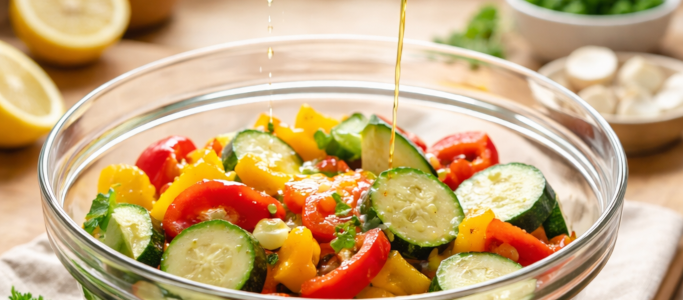
There is a moment in every kitchen where transformation begins. It might look simple on the surface. A splash of lemon juice, a drizzle of vinegar, a handful of herbs stirred into a bowl.

There is a moment in every kitchen where transformation begins. It might look simple on the surface. A splash of lemon juice, a drizzle of vinegar, a handful of herbs stirred into a bowl.
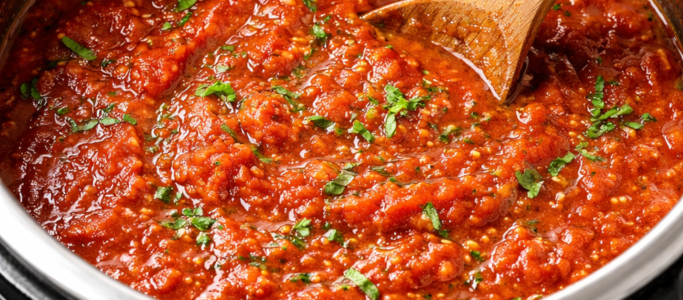
For many people beginning a low-lectin lifestyle, marinara sauce feels like one of the first true losses. It is deeply woven into comfort meals, family traditions, and quick weeknight cooking.
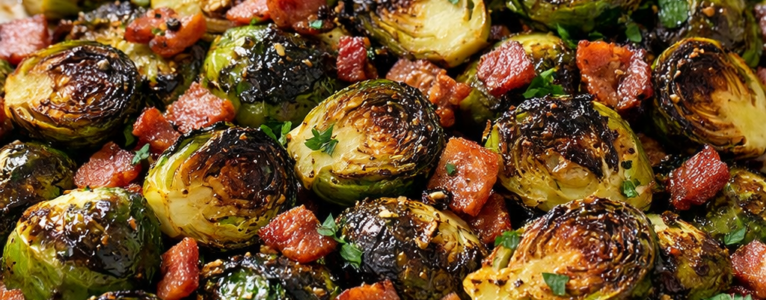
There is something grounding about putting a sheet pan in the oven and waiting for vegetables to transform. Raw Brussels sprouts are tight, pale, and slightly bitter. Bacon is soft and pliable.
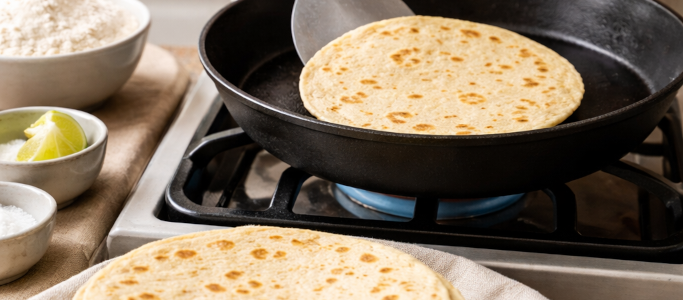
When most people begin exploring a low lectin lifestyle, they expect to give up obvious foods like beans or undercooked legumes. What surprises them is how often wheat quietly anchors their daily meals.
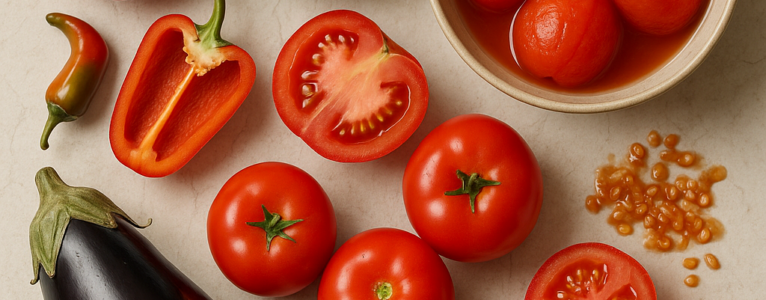
For most people, peeling a tomato or scooping seeds from a pepper feels like extra kitchen work or one of those fussy steps that old cookbooks recommend but modern cooking shows tend to skip.
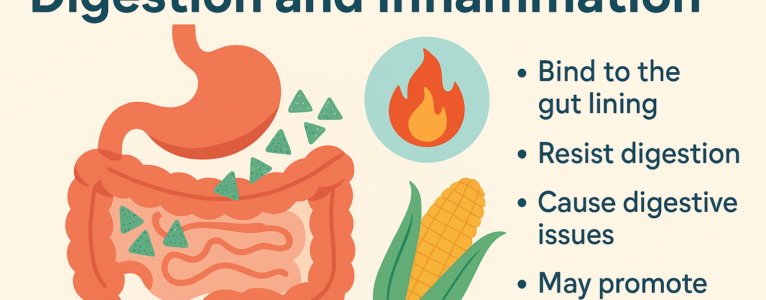
Lectins have become one of the most debated compounds in modern nutrition. Some people say lectins are harmless in small amounts and easily neutralized by cooking.