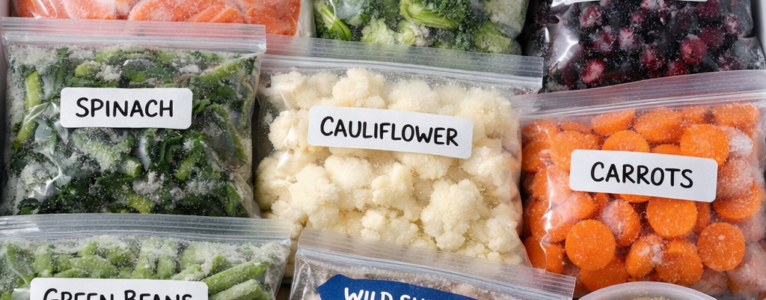
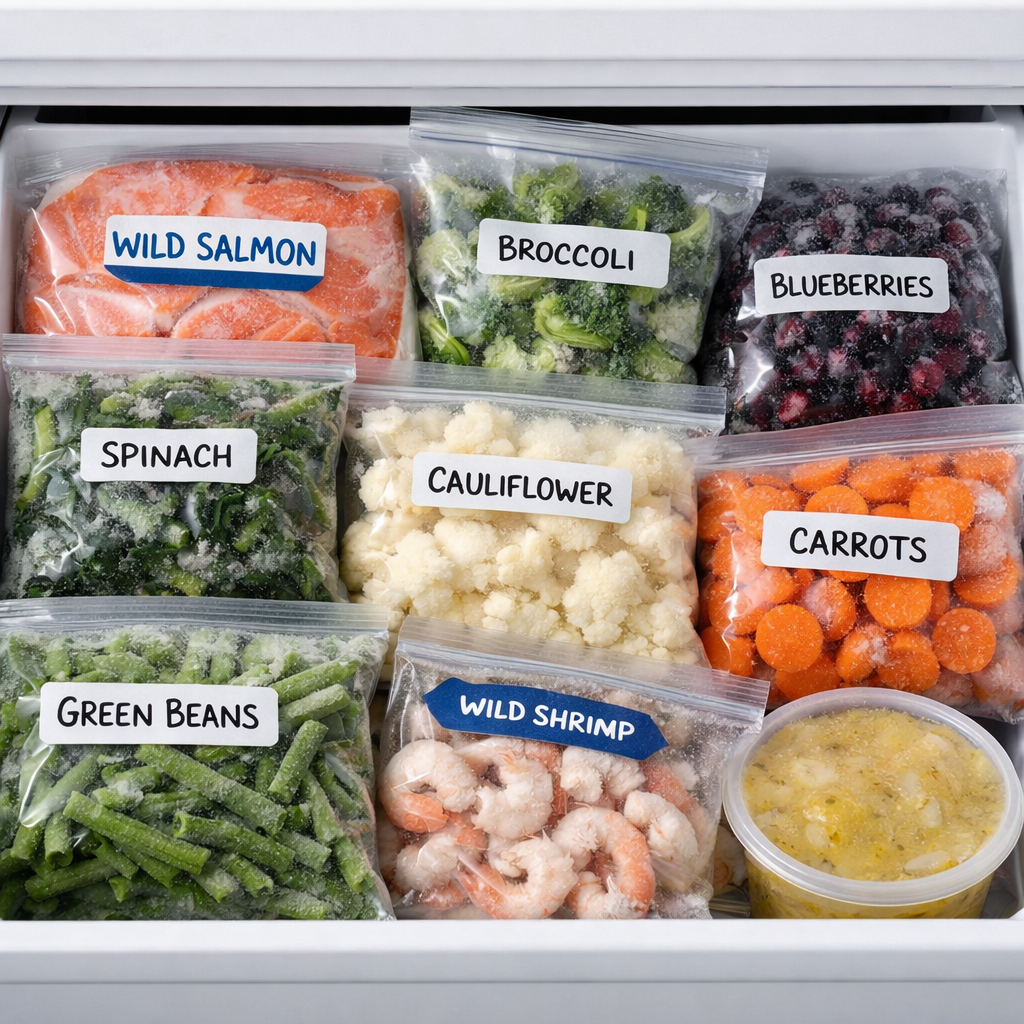
For many people trying to reduce lectins in their diet, the freezer aisle feels like a minefield. It is often associated with processed meals, hidden additives, and ingredients that seem far removed from anything resembling whole food. Yet this perception overlooks something important. Freezing is one of the oldest and most effective preservation methods available, and in many cases it protects the nutritional integrity of food better than refrigeration or even fresh storage over time.
If you have been navigating a low lectin lifestyle, you have likely focused on fresh produce, careful preparation methods, and avoiding problematic ingredients like improperly prepared legumes or grains. What often gets missed is that freezing, when done correctly, can actually make certain foods more stable, more convenient, and in some cases even safer from a lectin standpoint.
The key is not whether a food is frozen. The key is what the food is before it is frozen and how it has been handled.
The Science Behind Freezing and Lectins
Lectins are proteins that plants use as a defense mechanism. They can bind to carbohydrates in the human body and, in some individuals, interfere with digestion or contribute to gut irritation. Cooking methods like pressure cooking, soaking, fermenting, and peeling can reduce lectin content significantly. Freezing, however, does not destroy lectins on its own.
That might sound like a downside, but it is not necessarily a problem. Freezing preserves the state of the food at the moment it is frozen. If a food is low in lectins to begin with, freezing keeps it that way. If it has been properly prepared to reduce lectins, freezing locks in that benefit.
In contrast, fresh foods can degrade over time. Enzymatic activity, oxidation, and microbial growth all continue slowly in the refrigerator. Nutrient levels can drop. Texture can change. In some cases, the longer a food sits, the less ideal it becomes.
Freezing halts most of these processes. From a biochemical standpoint, it is like pressing pause.
Frozen Vegetables That Work in Your Favor
Not all vegetables are equal when it comes to lectins. Nightshades, for example, often require peeling and deseeding to reduce lectin exposure. Beans and legumes require more intensive preparation. But many vegetables that are naturally low in lectins freeze extremely well and retain their nutritional value.
Cruciferous vegetables like broccoli, cauliflower, and Brussels sprouts are excellent examples. These are typically blanched before freezing, a process that briefly exposes them to heat. That blanching step does more than preserve color and texture. It can also reduce certain anti-nutrients and enzyme activity.
Leafy greens such as spinach are another strong option. Frozen spinach is often harvested and processed quickly, sometimes faster than what happens with fresh spinach that travels long distances to reach a grocery store. That means nutrient retention can actually be higher in the frozen version.
Root vegetables like carrots also perform well. They are naturally lower in lectins and maintain their structure and nutrients after freezing. The takeaway here is simple. When the vegetable itself is low lectin and the processing is minimal, frozen versions can be just as good as fresh and sometimes better.
The Hidden Advantage of Flash Freezing
Modern freezing methods have improved significantly over the years. Flash freezing, also known as quick freezing, rapidly lowers the temperature of food. This prevents the formation of large ice crystals that can damage cell structures.
Why does this matter for your diet? When cell structures remain intact, the food retains more of its original texture, flavor, and nutritional profile. It also means that when you cook the food later, you are starting with something closer to its fresh state.
From a lectin perspective, this matters because you are not introducing additional variables. The food has not been sitting on a shelf degrading. It has not been exposed to prolonged storage conditions that might alter its composition. It is essentially preserved at a moment in time when it was at its best.
Frozen Fruits and the Lectin Conversation
Fruit can be a tricky area in a low lectin lifestyle because of sugar content and certain compounds in skins and seeds. However, many fruits are naturally low in problematic lectins, especially when consumed in moderation.
Frozen berries are a standout option. Blueberries, strawberries, and raspberries are often frozen at peak ripeness. This means they are rich in antioxidants and have not lost nutrients through extended storage. One benefit that often goes unnoticed is portion control. Frozen fruit allows you to use only what you need, reducing waste and preventing overconsumption.
Another advantage is consistency. Fresh fruit can vary in quality depending on season and transportation. Frozen fruit tends to be more predictable, which makes it easier to maintain dietary routines.
Frozen Seafood A Surprisingly Strong Choice
Seafood is one of the most low lectin friendly protein sources available. Fish do not produce lectins in the same way plants do, so they are naturally compatible with a low lectin approach.
Frozen seafood often gets an unfair reputation, but in reality it can be superior to what is labeled as fresh in many grocery stores. Much of the seafood sold as fresh has actually been previously frozen and thawed.
When fish is frozen immediately after being caught, it preserves freshness, texture, and nutritional content. Omega 3 fatty acids, which are essential for reducing inflammation and supporting gut health, remain stable under proper freezing conditions. This makes frozen wild caught fish an excellent staple. It provides convenience without compromising quality.
When Frozen Foods Become a Problem
Not all frozen foods are created equal. The issues arise when convenience turns into heavy processing. Prepared frozen meals often contain ingredients that are not ideal for a low lectin lifestyle. This can include:
- Legumes that have not been properly pressure cooked
- Grain based fillers
- Industrial seed oils
- Additives and preservatives
These products are designed for shelf stability and flavor enhancement, not necessarily for digestive health. The difference is not in the freezing. The difference is in the formulation.
A bag of frozen broccoli is very different from a frozen pasta dish filled with processed ingredients. One preserves a whole food. The other combines multiple components that may work against your dietary goals.
The Role of Preparation Even After Freezing
One important point that often gets overlooked is that freezing does not replace proper preparation techniques. If a food requires peeling, deseeding, or thorough cooking to reduce lectins, that still applies after it has been frozen.
For example, if you are using frozen vegetables that include skins or seeds from higher lectin plants, you still need to consider how they were processed. In many cases, frozen vegetables are prepped in a way that aligns with low lectin practices, but it is always worth checking.
Cooking methods still matter. Steaming, sautéing, and pressure cooking can all influence how your body responds to a food. Think of freezing as a preservation step, not a transformation step.
Convenience Without Compromise
One of the biggest challenges in maintaining a low lectin lifestyle is consistency. It requires planning, preparation, and awareness of ingredients. This can be difficult in a modern world where time is limited and convenience often wins.
Frozen foods, when chosen carefully, offer a bridge between convenience and quality. They allow you to keep nutrient dense options on hand without the pressure of using everything immediately.
This reduces food waste, supports better meal planning, and makes it easier to stick to dietary goals over the long term. There is also a psychological benefit. When you have reliable, safe options available, you are less likely to reach for foods that do not align with your health goals.
A Shift in Perspective
The idea that frozen foods are inferior is largely outdated. In the context of a low lectin lifestyle, the more important question is not whether a food is frozen. It is whether the food aligns with your understanding of lectins and how they interact with your body.
Freezing is simply a tool. Like any tool, its value depends on how it is used. When applied to whole, properly prepared foods, freezing can enhance your ability to maintain a consistent, sustainable approach to eating. It can simplify your routine without sacrificing quality.
Final Thoughts
Living low lectin is not about eliminating every possible source of lectins. It is about understanding where they are most likely to cause issues and using practical strategies to reduce their impact.
Frozen foods, when chosen wisely, fit into that strategy more naturally than many people realize. They preserve quality, support consistency, and provide access to nutrient dense options year round.
Instead of avoiding the freezer aisle, it may be time to approach it with a more informed perspective. Not everything in that section is working against you. In fact, some of it may be quietly supporting your goals in ways that fresh foods alone cannot always achieve.