The Quiet Power of Acid: Rethinking How We Prepare Vegetables
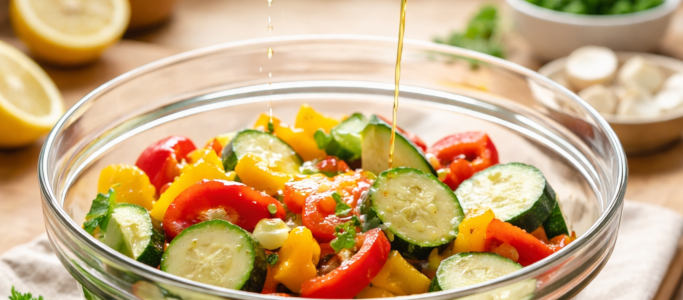
There is a moment in every kitchen where transformation begins. It might look simple on the surface. A splash of lemon juice, a drizzle of vinegar, a handful of herbs stirred into a bowl.

There is a moment in every kitchen where transformation begins. It might look simple on the surface. A splash of lemon juice, a drizzle of vinegar, a handful of herbs stirred into a bowl.
For most of human history, food was not something that came shrink-wrapped with an ingredient label or delivered within minutes of tapping a screen.
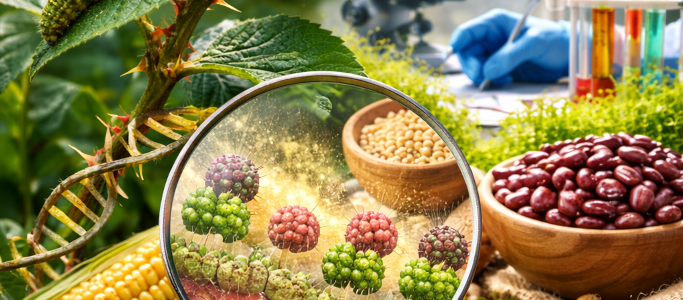
For decades, cooking has been treated as the great equalizer of plant foods. Heat, we’re told, neutralizes harmful compounds, makes foods safer to eat, and improves digestibility.
Sous-vide cooking has earned a reputation as one of the most precise and gentle ways to prepare food.
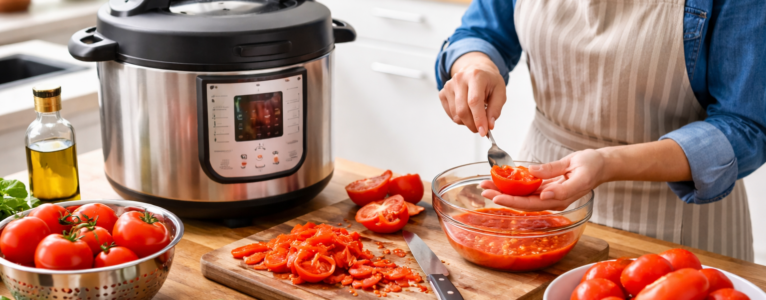
Tomatoes occupy a complicated place in many kitchens. They are central to sauces, soups, stews, and countless comfort foods, yet they also belong to the nightshade family, a group of plants often discussed in relation to lectins and digestive sensitivity.
Sprouting grains and legumes has been practiced for thousands of years, long before nutrition science had the tools to explain why it worked.