Soup has always had a reputation as recovery food, and for good reason. It is warm, soft, easy to digest, and forgiving on days when the gut feels irritated, inflamed, or unpredictable. A good soup does not ask much from the digestive system. It arrives already softened by heat, suspended in liquid, and often built from ingredients that release their nutrients slowly instead of slamming the gut all at once.
For someone following a low-lectin lifestyle, soup can become more than comfort food. It can become a practical repair meal. Not magic. Not a cure. But a steady, repeatable way to combine protein, minerals, amino acids, cooked vegetables, healthy fats, and gentle fiber in a form the body can usually handle better than raw salads, dry snacks, or heavy starch-based meals.
The key is building the soup correctly. A low-lectin soup meant for gut repair should not be a random pot of vegetables and broth. It needs structure. It needs protein. It needs long-cooked ingredients. It needs to avoid common troublemakers like beans, lentils, wheat pasta, corn, barley, conventional tomatoes, bell peppers, and seed-heavy vegetables unless they are properly peeled, deseeded, pressure-cooked, or personally tolerated. Done well, soup becomes one of the easiest meals to repeat without getting bored. Done poorly, it becomes a bowl of hidden triggers.
Why Soup Works So Well for a Sensitive Gut
The gut usually complains louder when food is rough, dry, undercooked, greasy, or overloaded with poorly tolerated plant compounds. Raw vegetables may look healthy, but they can be hard work for a gut that is already irritated. Thick skins, seeds, resistant fibers, and certain plant defense compounds may create discomfort in people who are sensitive.
Cooking changes that experience. Heat softens plant cell walls, reduces mechanical irritation, and makes many foods easier to chew, swallow, and break down. A zucchini that feels questionable raw may become gentle after simmering. Cauliflower that causes bloating when roasted too aggressively may feel calmer when cooked into a creamy soup and blended smooth. Greens that seem bulky in salad form often shrink into a tender, mineral-rich base after a few minutes in broth.
Soup also slows the meal down. That matters. People tend to sip, pause, and eat more calmly when they have a warm bowl in front of them. Digestion begins before food reaches the stomach, and slower eating gives the body a better chance to respond with stomach acid, bile, enzymes, and motility signals. That is not glamorous science. It is basic biology. And it works.
Gut Repair Starts with the Barrier
The phrase “gut repair” gets thrown around too loosely, but the basic idea is real. The intestinal lining is not a passive tube. It is an active barrier that decides what gets absorbed, what gets blocked, and how the immune system responds to food particles, microbes, and waste products.
This barrier includes mucus, epithelial cells, tight junctions, immune cells, and the microbiome. When it is stressed, people may notice more bloating, food reactions, irregular stools, burning sensations, fatigue after meals, or a general sense that safe foods are no longer acting safe. Those symptoms can have many causes, so ongoing or severe problems deserve medical attention. Still, food choices can influence how much daily pressure the gut has to deal with.
Low-lectin soups help by reducing the burden. They remove many of the most common lectin-heavy ingredients, soften plant fibers through cooking, and deliver nutrients that the gut lining uses during normal maintenance. That combination is the point. You are not trying to shock the gut into healing. You are giving it fewer irritants and better building materials. Small changes add up. Quietly.
The Broth Matters More Than People Think
A gut-repair soup begins with the liquid. Water will cook food, but broth turns soup into nourishment. A good broth brings minerals, amino acids, gelatin, and flavor, which helps make low-lectin eating feel satisfying instead of restrictive.
Bone broth is popular because it contains compounds released from bones, connective tissue, cartilage, and skin during long cooking. Depending on how it is made, it may contain gelatin, collagen-derived peptides, glycine, proline, glutamine, calcium, magnesium, potassium, and trace minerals. The exact levels vary a lot, so homemade broth is not a standardized supplement. That said, it can still be a valuable food.
Chicken broth made from bones, joints, feet, or wings tends to produce a softer, lighter base. Beef broth made from marrow bones, knuckles, oxtail, or shank bones can be richer and more intense. Turkey broth works beautifully after a roast. Fish broth can be excellent too, but it has a stronger flavor and needs a shorter cooking time.
For people with histamine sensitivity, long-simmered broths may be a problem. This is one of those areas where personal tolerance matters more than theory. Some people do beautifully with a 24-hour bone broth. Others feel better with a shorter-cooked meat stock, made in a few hours and frozen quickly in portions. The low-lectin lifestyle should never turn into a rigid script that ignores the body’s feedback.
Protein Is the Anchor, Not an Add-On
A gut-supportive soup should not be a thin vegetable broth with a few herbs floating around. That might feel soothing for an hour, but it often fails as a meal. Protein needs to be central.
Protein supplies amino acids needed for tissue maintenance, immune function, enzyme production, and stable blood sugar. In the context of gut repair, this matters because the intestinal lining renews itself rapidly and depends on a steady supply of nutrients. A soup that includes shredded chicken, turkey, beef, lamb, wild-caught fish, pastured eggs, or pressure-cooked compliant proteins will carry someone much further than broth alone.
Chicken and turkey are the easiest starting points. They are mild, flexible, and friendly with herbs like thyme, parsley, rosemary, sage, and dill. Beef adds depth and works well with mushrooms, celery, turnip, rutabaga, and greens. Fish soups can be light but deeply nourishing, especially with olive oil, fennel, herbs, and a gentle broth.
Egg-drop style soups can also work well for some people. A beaten egg stirred into hot broth creates delicate ribbons of protein without much chewing. It is fast, cheap, and useful on days when energy is low.
The Best Low-Lectin Vegetables for Soup
Vegetables still matter. The trick is choosing the right ones and cooking them enough. Low-lectin soup vegetables should bring nutrients, flavor, and texture without loading the bowl with seeds, skins, or known trouble spots.
Good base vegetables include celery, onion if tolerated, garlic-infused oil if garlic itself causes bloating, carrots in moderate amounts, mushrooms, fennel, cabbage, bok choy, spinach, kale, Swiss chard, cauliflower, broccoli, zucchini without seeds if needed, asparagus, leeks if tolerated, turnips, rutabaga, radishes, and parsnips in smaller amounts.
Cauliflower deserves special mention because it can create creamy soups without dairy or flour. When simmered until tender and blended with broth, olive oil, and herbs, it becomes smooth and filling. It also pairs well with chicken, turkey, and roasted garlic flavor.
Zucchini can be gentle, but the seeds may bother some people. Larger zucchini are seedier and more watery. Smaller ones are usually better. For highly sensitive people, peeling and scooping out the center can make a noticeable difference.
Leafy greens should be added near the end so they soften without turning muddy. Spinach melts quickly. Kale needs more time. Swiss chard brings a mineral flavor that works well with lemon, olive oil, and chicken.
Ingredients That Often Sabotage Gut-Friendly Soup
Many soups look innocent until the ingredient list gets checked. Traditional soup recipes often rely on lectin-heavy or gut-irritating add-ins, especially when they are made for convenience. Beans, lentils, split peas, chickpeas, barley, wheat noodles, corn, and conventional pasta are common soup fillers. They stretch the pot, but they may also stretch digestion in the wrong direction for someone trying to stay low-lectin. Even gluten-free pasta can be made from corn, rice, quinoa, or legume flour, which may not fit the plan.
Tomatoes are another common issue. Tomato soup sounds gentle, but tomatoes are nightshades with seeds and skins unless prepared carefully. Some people tolerate peeled and deseeded tomatoes in small amounts, especially when pressure-cooked. Others do not. A gut-repair soup is not the place to test a large tomato load unless tolerance is already clear.
Commercial broth can be sneaky too. Many boxed broths contain yeast extract, natural flavors, gums, added sugars, seed oils, maltodextrin, or vegetable concentrates that may not sit well. Better options have short ingredient lists. Homemade is still the cleanest route.
Cream soups are another trap. Conventional dairy, wheat flour, cornstarch, and seed oils can turn a soothing idea into a heavy bowl. If a creamy texture is wanted, blended cauliflower, coconut milk, A2 cream if tolerated, or a small amount of goat cheese can work better.
Building a Gut-Repair Soup Formula
A reliable soup formula keeps the process simple. Start with broth, add protein, add two or three low-lectin vegetables, include a gentle fat, then finish with herbs and salt. The broth should taste good before anything else goes in. Weak broth makes weak soup. Salt matters here, especially for people who are eating fewer processed foods. A pinch of mineral salt can make the difference between flat and satisfying.
The protein should be cooked until tender. Shredded chicken thighs are better than dry cubes of breast meat. Slow-simmered beef should fall apart easily. Fish should be added near the end so it stays delicate. Vegetables should match the purpose of the soup. For a very irritated gut, go softer and simpler. Chicken, broth, carrots, celery, and spinach may be enough. For a more filling meal, add cauliflower, mushrooms, cabbage, or turnips.
Fat should not be forgotten. Extra virgin olive oil, avocado oil, a spoonful of coconut milk, or the natural fat from broth helps carry flavor and improve satiety. Too much fat can backfire for people with sluggish bile flow or gallbladder issues, so the right amount is personal. Herbs finish the job. Parsley brightens. Thyme deepens. Dill feels clean and fresh. Ginger can be calming for some people. Turmeric brings color and earthy flavor, especially with black pepper if tolerated.
Three Soup Styles That Fit the Low-Lectin Plan
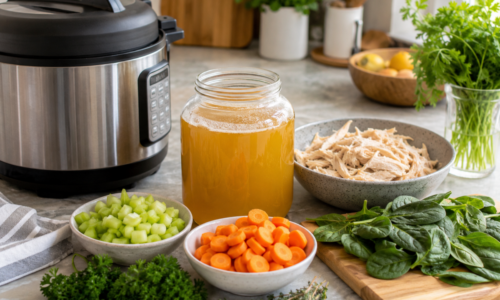
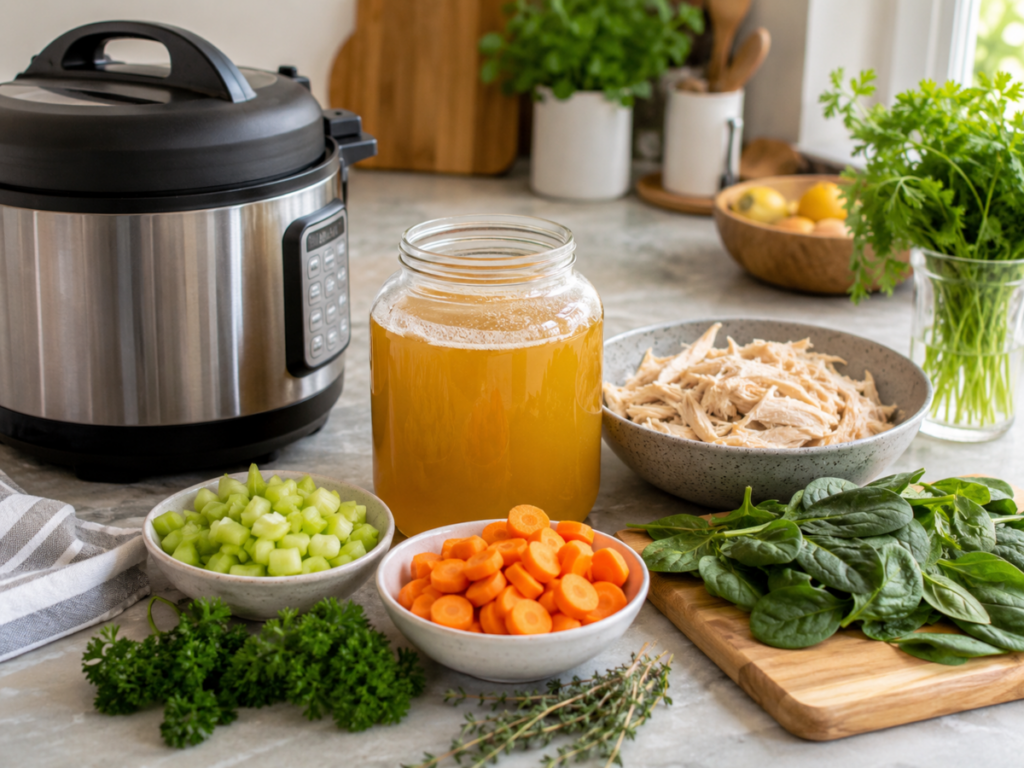
A classic chicken and greens soup is the best starting point. Use chicken broth, shredded chicken, celery, carrots, spinach, parsley, thyme, and olive oil. Keep it simple. This is the soup for rough days, tired evenings, and moments when digestion needs less drama.
A creamy cauliflower turkey soup works when hunger is stronger. Simmer cauliflower in turkey broth until soft, blend part of the soup, then add shredded turkey, mushrooms, and chopped greens. The texture feels rich without needing flour or conventional cream.
A beef and root vegetable soup is better for colder days or bigger appetites. Use beef broth, slow-cooked beef, turnips, celery, mushrooms, cabbage, and rosemary. Keep carrots or parsnips modest if blood sugar is a concern. This style is hearty but still cleaner than a stew thickened with flour, potatoes, or barley. These are not strict recipes. They are patterns. Once the pattern makes sense, soup becomes easy to adapt.
Blended Soups Can Be a Secret Weapon
Blended soups are underrated in gut repair cooking. Texture matters more than people admit. A chunky soup may be technically compliant, but if the gut is irritated, large pieces of fibrous vegetables can still feel like work. Blending changes that.
A blended cauliflower and chicken broth soup can feel almost like a cream soup. A blended zucchini and basil soup can be light and calming. A blended mushroom soup with thyme can satisfy the craving for something deep and savory without relying on wheat flour or heavy dairy.
The best blended soups still need protein. That protein can be added after blending, like shredded chicken stirred into a creamy base. It can also come from collagen-rich broth, though broth alone should not be treated as a full protein meal. For more staying power, pair the soup with chicken, fish, eggs, or another tolerated protein.
Blending also helps people who are burned out on chewing. That sounds small, but during digestive flares, fatigue often affects meal choices. Soft food lowers the barrier to eating well.
Pressure Cooking Has a Place
Pressure cooking is one of the most useful tools in a low-lectin kitchen. It can soften tough meats, deepen broth, and reduce cooking time. For certain high-lectin foods, pressure cooking after proper preparation can reduce lectin activity more effectively than gentle cooking alone.
That does not mean every lectin-heavy food becomes a free-for-all. Beans, for example, still require care, and many people following a low-lectin plan avoid them entirely or reserve them for later testing. But the principle matters. Cooking method changes food chemistry. Heat, moisture, time, and pressure can all change how a food behaves in the body.
For soups, pressure cooking shines with broth, chicken thighs, turkey legs, beef shanks, oxtail, and tough cuts that become gelatin-rich and tender. It also makes batch cooking easier. A pot of broth and shredded meat can become several different soups throughout the week. That kind of repeatable system is what keeps people consistent.
Watch the FODMAP Layer
Some people do everything “right” from a lectin standpoint and still feel bloated after soup. In those cases, FODMAPs may be part of the issue. FODMAPs are fermentable carbohydrates that can cause gas, bloating, pain, or stool changes in sensitive people, especially those with IBS-type symptoms.
Onions, garlic, leeks, cauliflower, mushrooms, cabbage, and asparagus can all be healthy foods, but they may cause symptoms in certain people because of their fermentable carbohydrate content. This does not make them bad foods. It means the gut may need a smaller portion, a different preparation method, or a temporary break.
Garlic-infused olive oil is a useful workaround because the flavor compounds transfer into the oil while many of the fermentable carbohydrates do not. Green onion tops can sometimes replace onion. Smaller servings of cauliflower or cabbage may work better than large bowls.
Low-lectin and low-FODMAP are not the same diet. The overlap can be helpful, but it takes observation. This is where tracking becomes valuable. A soup that is low-lectin can still be too fermentable for one person and perfectly fine for another.
Soup Prep Makes the Lifestyle Easier
Soup is one of the easiest foods to batch without making the week feel repetitive. Make one clean broth, one cooked protein, and two vegetable bases. Then rotate the flavors. Chicken broth with shredded chicken can become a parsley and spinach soup one day, a ginger bok choy soup the next, and a creamy cauliflower soup after that. Beef broth can turn into a mushroom rosemary bowl, a cabbage and turnip soup, or a simple sipping broth with sliced steak.
Freezing matters. Small portions cool faster and reduce waste. Glass jars, silicone freezer trays, or flat freezer bags can make soup easier to store. Leave room for expansion if using jars. Label everything, because frozen broth has a way of becoming mystery liquid after two weeks.
Reheating should be gentle. Boiling cooked soup over and over can ruin texture and flavor. Warm only what you plan to eat. Add fresh herbs, olive oil, or greens at the end to make leftovers feel alive again.
A Better Bowl Starts with Fewer Ingredients
The best gut-repair soups are usually not the most complicated ones. A crowded soup can make it harder to identify what helped and what hurt. During a reset period, fewer ingredients are better. Start with broth, one protein, one or two vegetables, one fat, and one herb family. Eat that combination more than once before judging it. If it works, expand slowly. Add mushrooms. Try greens. Test cauliflower. Bring in ginger. Add lemon if tolerated.
This approach may feel boring at first, but it gives the body a cleaner signal. Random variety is not always helpful during gut repair. Predictable meals can create stability, and stability is often what the gut needs before broader variety returns. A low-lectin soup is not just a bowl of safe ingredients. It is a strategy. It lowers digestive friction, supports steady nourishment, and gives people a practical meal they can repeat on the days when their gut is asking for patience instead of another experiment.