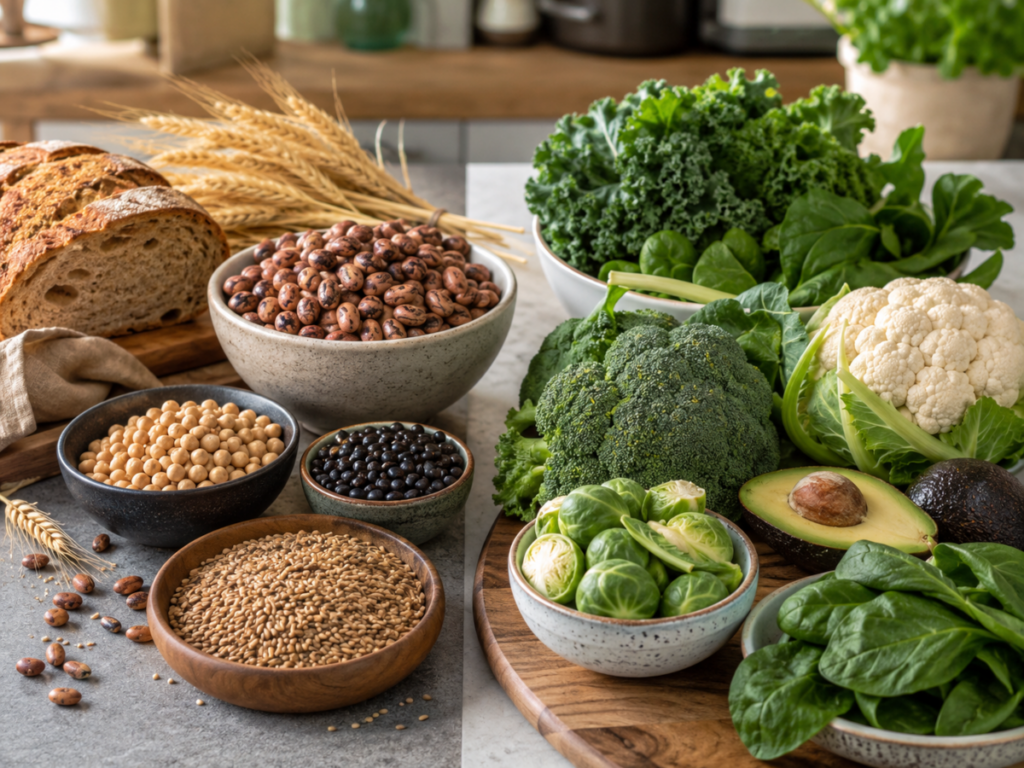
A lot of people hear “low-lectin” and immediately picture a sad plate. No beans. No whole wheat. No tomatoes. No big grain bowls. From the outside, it can look like fiber has been kicked out of the kitchen along with the lectins. That is one of the biggest misunderstandings about this lifestyle.
Cutting lectins is not the same as cutting fiber. The two are not married. They often show up in the same foods, especially legumes, whole grains, and nightshades, but they are not the same thing. Lectins are proteins that can bind to carbohydrates. Fiber is a group of plant carbohydrates and related compounds that humans do not fully digest. One may irritate certain people under certain conditions. The other is a major part of digestive rhythm, gut microbe activity, stool formation, and metabolic health. The goal of a smart low-lectin lifestyle is not to starve your gut. It is to choose fiber sources that fit your body better.
The Confusion Starts With Beans and Grains
The fiber conversation gets messy because many famous high-fiber foods are also high-lectin foods. Beans, lentils, peas, wheat, barley, corn, and many whole grains are commonly promoted as fiber-rich staples. In a standard nutrition conversation, that makes sense. These foods can provide resistant starch, soluble fiber, insoluble fiber, minerals, and plant compounds. In a low-lectin conversation, they need more thought.
Legumes and grains contain lectins as part of their natural seed defense system. They are seeds, after all. Their biological job is to survive long enough to reproduce, not to be perfectly gentle on every human digestive tract. Cooking helps. Soaking helps. Fermentation may help. Pressure cooking can lower lectin activity far more effectively than casual cooking in many cases. Still, some people feel better when they reduce or remove these foods, at least for a while. That does not mean they are choosing a fiber-free diet. It means they are moving away from one category of fiber sources and replacing them with others.
This distinction matters because the anti-low-lectin crowd often makes a lazy argument. They say, “If you cut beans and grains, you are cutting fiber.” No. You are cutting beans and grains. Fiber can come from many places.
Fiber Is Not One Thing
Fiber is not a single substance. It is a family. Some fibers dissolve in water and form a gel-like texture. Some add bulk to stool. Some are fermented by gut bacteria. Some pass through mostly unchanged. Some feed certain microbes more than others. Some people tolerate one type beautifully and react to another with bloating, urgency, gas, or cramps.
That is why fiber advice can be so frustrating. One person adds chia pudding and feels great. Another person adds the same thing and feels like they swallowed a balloon. One person eats pressure-cooked lentils with no issue. Another gets brain fog and joint aches after a small bowl. The food is the same. The bodies are not.
Soluble fiber tends to slow digestion and can help with stool texture. Insoluble fiber adds bulk and helps keep things moving. Fermentable fiber feeds gut bacteria, which can produce short-chain fatty acids such as butyrate, acetate, and propionate. Resistant starch acts somewhat like fiber because it resists digestion in the small intestine and reaches the colon, where microbes can ferment it. That is the real conversation. Not “fiber good” or “fiber bad.” The better question is which fibers, in which foods, prepared which way, and tolerated by which person.
Low-Lectin Eating Still Leaves Plenty of Fiber on the Table
A low-lectin plate can contain plenty of fiber if it is built with intention. Leafy greens, cruciferous vegetables, asparagus, celery, onions, garlic, mushrooms, avocado, okra, herbs, certain berries, peeled and deseeded cucumbers, pressure-cooked select legumes if tolerated, nuts, seeds, and resistant-starch foods can all play a role depending on the version of low-lectin eating someone follows. Some of these foods are not flashy. Good. Food does not need to be dramatic to work.
A plate with wild salmon, sautéed greens, roasted mushrooms, avocado, olive oil, and a small serving of cooled resistant starch can be fiber-containing, nutrient-dense, and low in common lectin triggers. A breakfast of eggs with spinach, herbs, avocado, and a few berries is not fiber-free. A soup made with greens, onions, garlic, celery, mushrooms, and shredded chicken can support digestion without leaning on wheat pasta or beans.
The trick is that fiber has to be planned. Many people remove high-lectin foods, then forget to replace the fiber. That is where trouble starts. The problem is not the low-lectin framework. The problem is poor execution.
The Gut Does Not Want Neglect
The gut microbiome is not a decorative side topic. It is part of the daily digestive system. Gut microbes interact with fibers and resistant starches, producing compounds that influence the gut lining, immune signaling, bowel patterns, and metabolic function. But those microbes need food.
A person can eat very clean and still underfeed the gut. This happens often with overly strict elimination diets. Someone cuts grains, beans, fruit, nightshades, dairy, nuts, seeds, and half the vegetable drawer, then lives on meat, eggs, oil, and three “safe” foods. That may calm symptoms briefly, especially during a rough digestive season, but it is not a great long-term plan for most people.
The gut likes rhythm and variety. Not chaos. Variety does not mean eating every plant in the grocery store. It means rotating tolerated fibers so the digestive system is not running on fumes. This is where low-lectin eating needs maturity. The beginner version is often removal. The sustainable version is replacement.
Replacement Beats Restriction
Removing a food is only half a move. Replacing it is the part that makes the lifestyle livable. If wheat bread was a major fiber source, a person may need more vegetables, avocado, flax, chia, psyllium, or approved resistant starch options. If beans were doing most of the digestive heavy lifting, then greens alone may not be enough. If morning oatmeal disappears, breakfast may need berries, basil, sautéed vegetables, or a small portion of something that supports stool quality and fullness.
This is not about copying someone else’s perfect plate. It is about identifying the job the old food was doing. Beans may have provided fiber, fullness, slow-burning carbohydrates, minerals, and comfort. Bread may have provided convenience. Oats may have provided routine. Pasta may have provided easy calories. When those foods are removed, the body still has needs. Hunger does not care about ideology. Neither does constipation. A well-built low-lectin plan asks, “What replaces the function of that food?” That question saves people from white-knuckling their way through meals.
Fiber Can Be Gentle or Aggressive
More fiber is not always better right away. That advice sounds clean on paper, but real digestion is messier. Some people jump from a low-fiber diet to giant salads, raw vegetables, chia seeds, and fiber powders in the same week. Then they blame the entire low-lectin lifestyle when their gut rebels. The gut does not love sudden renovation. It prefers a slower rebuild.
Cooked vegetables are often easier than raw vegetables. Peeled and deseeded vegetables can be easier than whole skins and seeds. Soups and stews can be easier than big crunchy bowls. Ground flax may be easier than whole seeds. Psyllium may help one person and annoy another. Fermentable fibers can feed helpful bacteria, but they can also create gas when introduced too quickly or when the gut is already irritated.
Low-lectin eating should not become a contest to see how many raw plants a person can tolerate. That is not wellness. That is digestive gambling. A smarter pattern is gradual. Add one fiber source. Watch the response. Adjust the portion. Change the preparation. Keep the foods that work. Retest later if needed.
Resistant Starch Deserves a Seat at the Table
Resistant starch is one of the more interesting pieces of the fiber conversation because it behaves differently from regular starch. Instead of being fully broken down into glucose in the small intestine, some resistant starch reaches the colon and becomes fuel for gut microbes. That fermentation can produce short-chain fatty acids, including butyrate, which is often discussed for its role in supporting the cells that line the colon. The low-lectin question is not whether resistant starch matters. It does. The question is how to get it without leaning on foods that do not agree with you.
Common resistant starch sources include legumes, cooked and cooled potatoes or rice, green bananas, plantains, and some grains. Not all of those fit every low-lectin plan. Some people may avoid them. Some may use pressure cooking, peeling, cooling, reheating, or portion control. Some may experiment with small amounts after symptoms settle.
This is where dogma gets people stuck. A person does not need to force resistant starch from a food that makes them miserable. They also do not need to fear the entire category forever. Food tolerance can change with preparation, portion size, gut health, stress, sleep, and time. The best approach is not blind restriction. It is structured testing.
Preparation Changes the Conversation
Low-lectin eating is not only about food lists. Preparation matters. Tomatoes are a good example. For some people, raw tomatoes with skins and seeds are a problem. Peeled and deseeded tomatoes, cooked into a sauce, may be tolerated better. That does not make tomatoes harmless for everyone. It means the form matters.
The same idea applies across the food world. Pressure cooking can reduce lectin activity in many legumes more effectively than standard boiling. Fermentation can change grain and vegetable chemistry. Peeling and deseeding can remove some of the parts that bother people. Cooking can soften fibers and make vegetables easier to digest.
A low-lectin lifestyle that ignores preparation becomes too rigid. A low-lectin lifestyle that treats preparation as part of the method becomes more flexible without getting careless. This is especially helpful for fiber. A person who cannot handle a raw cabbage salad may do fine with slow-sautéed cabbage. A person who reacts to a big bowl of raw kale may tolerate cooked spinach. A person who struggles with beans may later test pressure-cooked lentils in a small serving and learn something useful. The plate gets more interesting when the cooking method is part of the plan.
Constipation Is a Warning Sign, Not a Badge of Discipline
Some people get so focused on avoiding trigger foods that they ignore basic digestive feedback. Constipation is one of the clearest signs that the plan needs adjustment. Low stool volume, hard stools, straining, and sluggish digestion can happen when fiber drops too low, fluids are inadequate, fat intake changes, minerals are off, movement decreases, or meals become too repetitive. Cutting lectins may reduce irritation for some people, but it does not erase the body’s need for digestive flow. This is where people need to be honest. If a low-lectin plan makes someone feel less inflamed but more backed up, the answer is not to quit immediately or double down harder. The answer is to tune the plan.
That may mean adding cooked greens, chia, ground flax, avocado, mushrooms, asparagus, artichoke hearts if tolerated, or a small amount of psyllium with plenty of water. It may mean increasing fluids, sodium, magnesium-rich foods, olive oil, or daily walking. It may also mean checking medications, thyroid status, or other health issues with a clinician if constipation is persistent or severe. Digestive improvement should not require pretending constipation is normal.
The Low-Lectin Plate Should Still Look Alive
A plate built around only meat and fat may be low in lectins, but that does not automatically make it a good long-term low-lectin plate. The better version has color, texture, herbs, cooked vegetables, satisfying protein, quality fats, and enough fiber to keep the gut engaged. Think about a simple dinner. Chicken thighs with rosemary, roasted cauliflower, sautéed mushrooms, arugula with olive oil, and avocado. That plate has protein, fat, minerals, bitter greens, fermentable plant material, and bulk. It is not a bean bowl. It is not a wheat bowl. It still has fiber.
Another plate might be sardines over greens with cucumber that has been peeled and deseeded, olives, herbs, lemon, and a side of cooked asparagus. Another might be turkey meatballs with garlic, basil, zucchini noodles, and a peeled, deseeded tomato sauce if tolerated. None of these meals are fiber-free. They are just not built on the standard grain-and-legume model. That is the point. Low-lectin eating should not be a hollowed-out diet. It should be a different structure.
Individual Tolerance Still Runs the Show
Fiber advice gets personal fast. A food can be low in lectins and still bother someone. A food can contain lectins and still be tolerated by someone else after proper preparation. Gut conditions, immune sensitivity, stress, sleep, hormones, medications, microbiome patterns, and meal timing can all change the response. This is why tracking matters. Not obsessive tracking. Useful tracking. A simple note after meals can reveal patterns that memory misses. Energy, bloating, stool quality, joint discomfort, headaches, skin changes, cravings, and sleep can all tell a story. The goal is not to fear food. The goal is to stop guessing.
A person may discover that raw vegetables are the issue, not fiber itself. Or that beans are a problem, but pressure-cooked split peas in a small serving are fine. Or that too much almond flour causes trouble, while cooked greens and avocado feel great. Or that the real issue is stacking too many fermentable foods in one meal. That kind of detail is where the low-lectin lifestyle becomes practical instead of performative.
Fiber Quality Matters More Than Fiber Math
Counting grams can help, but it can also become another way to miss the point. A processed bar with added isolated fiber is not the same as a meal built from real foods. The number on the label may look impressive, but the body experiences the full food, not just the fiber line.
Whole-food fibers usually arrive with water, minerals, polyphenols, texture, and other plant compounds. That package matters. Low-lectin eating works best when it keeps that package in mind, choosing the most tolerated whole-food fiber sources instead of relying too heavily on powders, bars, and “keto” replacement products.
Fiber supplements can have a place. Psyllium, for example, may be useful for some people. But supplements should not become a cover for a thin diet. A spoonful of fiber powder does not replace vegetables forever. The better question is simple. Is the plate feeding the person and the gut, or is it just avoiding a list of forbidden foods?
The Real Mistake Is Cutting Without Rebuilding
The low-lectin lifestyle gets blamed for problems that often come from poor rebuilding. Someone removes high-lectin staples, eats too few plants, loses fiber diversity, gets constipated, feels flat, and then declares the whole idea broken. The better lesson is more specific. Cutting lectins requires a plan for fiber.
That plan can include cooked vegetables, leafy greens, cruciferous vegetables, mushrooms, avocado, herbs, select fruits, nuts and seeds in tolerated amounts, resistant starch experiments, and careful reintroductions when appropriate. It can include pressure cooking, peeling, deseeding, fermenting, cooling, reheating, and portion testing. It can be flexible without becoming sloppy. Lectin reduction is about lowering exposure to certain plant proteins that may bother some people. Fiber intake is about feeding digestive function and gut microbes with plant material the body can handle. Those goals can live on the same plate.