Family summer BBQs have a way of making food feel emotional before the first plate is even filled. The smell of charcoal, the sound of people laughing outside, the familiar folding tables covered with side dishes, and someone’s uncle guarding the grill like it is sacred ground all create a sense of tradition. Food is not just food in those moments. It is memory, identity, comfort, and sometimes pressure. For someone following a low-lectin lifestyle, that pressure can get real fast.
A typical summer BBQ is often built around foods that can be challenging for lectin-sensitive people. Buns, baked beans, corn on the cob, pasta salad, potato salad, tomato-heavy sauces, chips, beer, sugary desserts, and mystery marinades show up like the official mascots of the season. None of that means you have to stay home, eat before you arrive, or awkwardly explain your entire digestive history beside the cooler. It means you need a plan that is simple, realistic, and socially survivable. The goal is not perfection. The goal is confidence.
The BBQ Problem Is Not the Grill
The grill itself is usually not the issue. In fact, grilled foods can work beautifully in a low-lectin lifestyle when the ingredients are chosen carefully. A clean piece of wild-caught fish, pastured chicken, grass-fed beef, lamb, shrimp, or even portobello mushrooms can become a satisfying meal with very little effort. The trouble usually comes from everything around the grill.
BBQ culture leans heavily on sauces, starches, grains, legumes, and nightshades. That combination can create a lectin-heavy plate without looking especially suspicious. A burger on a wheat bun with ketchup, a side of baked beans, a scoop of pasta salad, corn, and chips may seem like standard cookout food, but it can stack several common lectin sources into one meal.
Lectins are proteins found in many plants, especially grains, legumes, and nightshade vegetables. Some are reduced by proper preparation, such as soaking, peeling, deseeding, fermenting, and pressure cooking. Others are harder to reduce in casual party settings because you rarely know how the food was prepared. That is where summer BBQs can become tricky. You are not just choosing ingredients. You are guessing methods. Low-lectin eating works best when the guesswork is reduced.
The Foods That Usually Cause the Most Trouble
The biggest offenders at a family BBQ are often the foods people think of as harmless sides. Corn is a classic example. It looks simple and natural, but corn is a grain, and for many low-lectin eaters, it does not fit well. Corn chips, tortillas, cornbread, and corn on the cob can all be rough on sensitive digestion.
Beans are another big one. Baked beans are common at cookouts, but legumes are one of the better-known lectin-containing food groups. Pressure cooking can reduce lectins significantly in many beans, but most BBQ baked beans are slow-cooked or canned, then sweetened and reheated. That does not automatically make them dangerous for everyone, but it does make them a poor bet for someone trying to stay low-lectin.
Nightshades also sneak into BBQ meals constantly. Tomatoes, peppers, eggplant, and white potatoes are all nightshades. Ketchup, BBQ sauce, salsa, hot sauce, chili, tomato-based marinades, potato salad, and seasoned rubs may all include them. Some people tolerate peeled and deseeded tomatoes better, especially when cooked, but most party sauces are not made that way.
Wheat is everywhere too. Buns, rolls, pasta salad, crackers, desserts, breaded meats, and certain seasoning blends can all bring wheat into the meal. Even if lectins are not your only concern, wheat can be a digestive problem for many people, especially those already paying attention to inflammation, gut comfort, or autoimmune patterns. That sounds like a lot. It is. But there is good news: the main dish can often be rescued.
Build Your Plate Around Protein First
A low-lectin BBQ plate should start with protein. Not because protein is trendy, but because it gives the plate structure. Once protein is handled, the rest of the meal gets easier.
Grilled chicken thighs, burgers without buns, steak, salmon, shrimp skewers, lamb chops, turkey patties, and pasture-raised sausages can all work depending on ingredients. The key is avoiding hidden fillers, sugary sauces, wheat binders, and questionable marinades. Plain grilled meat with salt, herbs, garlic, lemon, olive oil, and clean spices is usually the safest lane.
Burgers are one of the easiest swaps. Skip the bun and treat the patty like the center of the plate. Add avocado, lettuce, grilled onions if tolerated, a drizzle of olive oil, and maybe a little mustard if the ingredients are clean. A burger bowl can feel more satisfying than a sad bunless burger sitting alone on a paper plate. Presentation matters, even at a picnic table.
For hot dogs and sausages, read labels carefully if you are bringing your own. Many contain sugar, corn syrup, soy, wheat, paprika, chili powders, or vague “spices” that may include nightshades. Cleaner options exist, but they are not always what your cousin grabbed on sale. If you are sensitive, bring your own pack and do not make it dramatic. Toss them on the grill when there is space.
Bring One Dish You Can Actually Eat
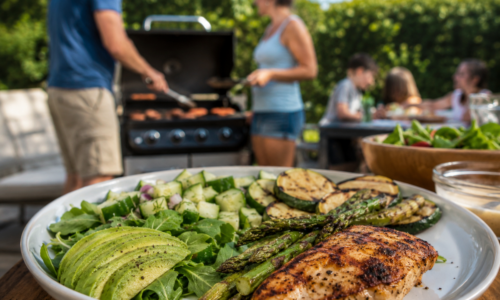
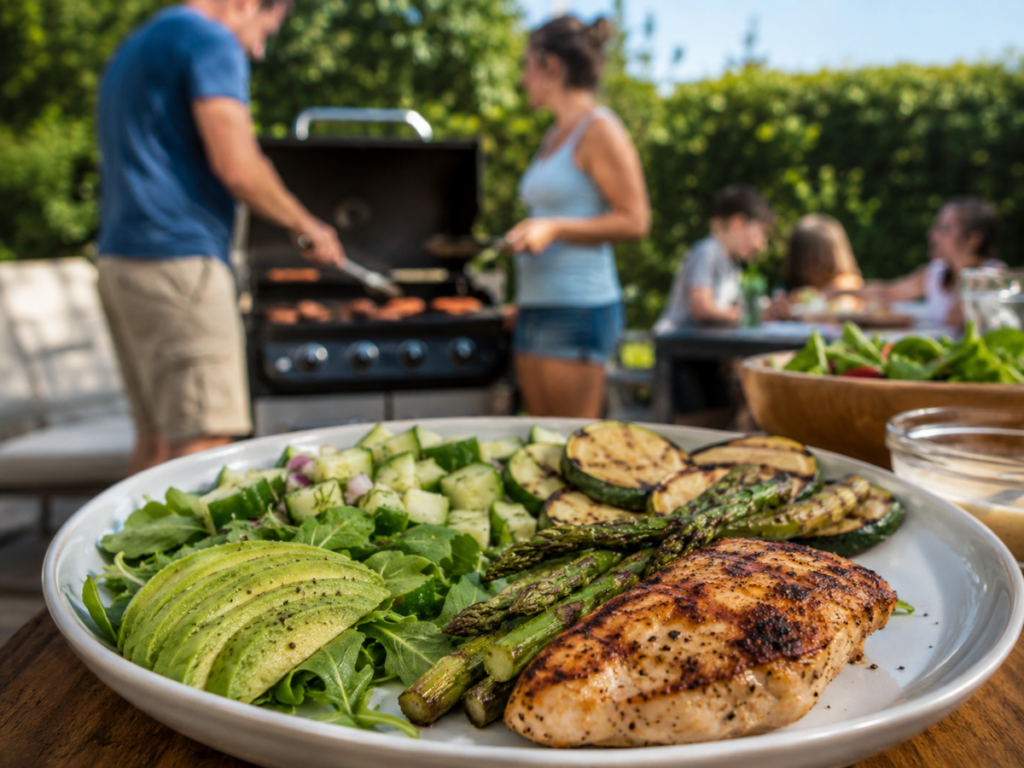
This is the move that saves the day. Bring a dish that is low-lectin, filling, and normal-looking enough that nobody treats it like a medical experiment. A big salad with greens, avocado, cucumber, herbs, olive oil, lemon, and grilled chicken can work well. So can a platter of grilled zucchini, mushrooms, asparagus, and onions. A cauliflower “potato” salad made with avocado oil mayo, celery, herbs, and chopped pasture-raised eggs can blend right into the spread. Most people will not care that it is low-lectin if it tastes good.
The dish should be generous. Bring enough to share, but also enough that you can build a meal from it if the rest of the table turns into a lectin carnival. This is not selfish. This is smart. Do not bring something overly complicated unless you enjoy explaining it all afternoon. Family BBQs are not always the best place for a lecture on plant defense proteins. They are better suited to food that tastes familiar. People accept familiar food faster.
The Sauce Trap Is Real
BBQ sauce is often where a decent plate goes sideways. Many sauces are built from tomato paste, sugar, molasses, corn syrup, vinegar, paprika, chili powder, and other spices that may be tough for low-lectin eaters. Ketchup has a similar issue. It is usually tomato-heavy and sweetened.
That does not mean your grilled food has to be dry. Olive oil, lemon juice, fresh herbs, garlic, sea salt, and black pepper can do a lot. A simple herb dressing made with parsley, basil, lemon, olive oil, and garlic can make grilled meats and vegetables taste bright and intentional. For a creamier option, avocado blended with olive oil, lemon, salt, and herbs can act like a sauce without leaning on tomatoes or peppers.
Mustard can be useful, but ingredients matter. Some mustards are simple. Others include sugar, additives, or spices that may bother sensitive people. Read before trusting. This is where a small container from home can be your best friend. Bring your own dressing or sauce and keep it casual. Nobody needs a speech. Just say, “I brought something I know works for me.”
Side Dishes That Feel Like Summer
Low-lectin sides do not have to feel like punishment. Summer produce gives you plenty to work with as long as you choose carefully and prepare it well. A cucumber and avocado salad with lemon and dill feels cool and refreshing. Grilled asparagus with olive oil and sea salt fits beautifully beside meat or fish. A cabbage slaw made without sugar, corn-based vinegar, or seed oils can bring crunch to the plate. Mixed greens with herbs, radishes, olives, and a clean vinaigrette can hold their own next to heavier BBQ foods.
Cauliflower is especially useful because it can mimic the role of potato or rice in familiar dishes. Cauliflower salad, cauliflower mash, or roasted cauliflower florets can make a plate feel complete. It is not the same as potato salad, and pretending it is identical only sets people up for disappointment. Let it be its own thing. Good food does not need to impersonate bad choices.
Sweet potatoes may work for some low-lectin eaters when peeled and cooked properly, though tolerance varies. If you include them, keep portions reasonable and pay attention to your own response. A low-lectin lifestyle is not a personality contest. Your body gets a vote.
Handling Family Comments Without Turning Lunch Into a Debate
The food is only half the challenge. Family commentary is the other half. Someone may ask why you are not eating the pasta salad. Someone may insist that one bite will not hurt. Someone may joke that you are “too healthy now.” Most of the time, these comments are not meant to be cruel. They are reflexes. People notice change, and food changes are especially visible. Keep your answers short. Long explanations invite arguments.
“I feel better eating this way” is usually enough. “I am avoiding a few foods right now” also works. “That looks great, but I am good with what I have” is polite and firm. You do not owe anyone a full breakdown of lectins, gut lining, immune activation, or your last digestive flare. Some relatives will understand. Some will not. That is fine. Your plate does not require a committee vote.
The Hidden Ingredient Problem
Family recipes are often vague. Someone may say a dish is “just chicken” when it was marinated in soy sauce, brown sugar, tomato paste, and chili flakes. Someone may call a salad “healthy” because it has vegetables, even if it also contains corn, beans, croutons, seed oils, and bottled dressing. Ask simple questions when needed, but do not interrogate the cook. “Do you know if this has wheat, soy, corn, beans, tomatoes, or peppers in it?” is direct and practical. If the answer is unclear, skip it.
This is not about fear. It is about pattern recognition. If you have worked hard to identify foods that trigger symptoms, guessing blindly at a BBQ is not worth it. A few minutes of social comfort can turn into days of feeling off. People who have never experienced that trade-off may not understand it. You still get to protect your body.
Drinks Matter More Than People Think
Food gets most of the attention, but drinks can create problems too. Beer is grain-based, sugary cocktails can hit hard, and mixers often include corn syrup, artificial colors, or citrus-flavored additives. Even nonalcoholic drinks can be loaded with sugar or questionable ingredients.
Water is the easiest option, but it does not have to be boring. Sparkling water with lemon, lime, mint, cucumber, or berries can feel festive without turning into a sugar bomb. Unsweetened iced tea can also work if you tolerate it. If you drink alcohol, cleaner choices may include dry wine or simple spirits with sparkling water, but personal tolerance varies and alcohol can still irritate digestion. Summer heat also changes the equation. Dehydration can make digestion feel worse, especially if you are eating salty grilled food. Drink water early, not after you already feel dried out.
Dessert Without the Crash
BBQ desserts are usually built from flour, sugar, dairy, corn syrup, or chocolate-heavy combinations. Cakes, cookies, pies, brownies, ice cream sandwiches, and pudding-style desserts may be everywhere. You can skip them, but it helps to have an alternative.
Fresh berries can be a solid option for many people, especially in modest portions. A bowl of berries with coconut cream can feel like dessert without the usual ingredient load. A homemade low-lectin treat made with approved flours, such as cassava or almond flour if tolerated, can also work. Keep it simple and make it taste good enough that you are not sitting there resenting everyone else’s pie.
Dessert is often emotional. People do not just want sweetness. They want participation. Bringing your own dessert lets you stay part of the moment without pretending your body enjoys foods it clearly does not.
Kids, Spouses, and Mixed-Diet Families
A family BBQ gets more complicated when everyone in your household eats differently. Maybe you are low-lectin, your spouse is flexible, one kid wants a bun, and another only wants chips. That does not mean the day is doomed.
Build around shared foods first. Grilled proteins, fruit, simple vegetables, and salad can work for many people even if not everyone is fully low-lectin. Then allow add-ons separately. Buns, chips, sauces, and desserts can stay optional instead of becoming the base of the meal. This approach lowers tension. Nobody feels forced into your plan, and you are not forced into theirs. The plate becomes modular. That is the sweet spot for mixed families.
Recovery Matters If You Go Off-Plan
Some people will choose to eat off-plan at a BBQ. Sometimes it is intentional. Sometimes it happens because options were limited, pressure was high, or the potato salad looked too good. Be honest about it without spiraling into guilt.
The next meal matters. Return to foods that usually work for you. Focus on protein, greens, olive oil, hydration, and rest. Do not punish yourself with restriction. Do not turn one rough meal into a weekend of chaos. Your body responds better to consistency than drama.
Tracking can help here, especially if symptoms show up later. Write down what you ate, how it was prepared if you know, and how you felt over the next day or two. Patterns are more useful than shame. This is exactly where a food and symptom journal can be helpful because memory gets fuzzy fast after a busy family event.
A Low-Lectin BBQ Plate That Actually Works
A strong plate might look like grilled salmon or a bunless grass-fed burger, a pile of greens with olive oil and lemon, grilled asparagus, sliced avocado, cucumber salad, and sparkling water with mint. That plate is not boring. It is clean, filling, and summer-friendly.
Another option could be grilled chicken thighs with herb dressing, cauliflower salad, cabbage slaw, olives, and berries with coconut cream. Again, nothing weird. Nothing that screams “special diet.” Just food chosen with intention.
The best low-lectin BBQ strategy is to stop chasing perfect substitutes and start building plates that feel complete on their own. Protein, safe vegetables, healthy fats, clean flavor, and one dish you brought yourself can carry the whole event. Family BBQs do not need to become food battlegrounds. They just need better planning and fewer mystery sauces.