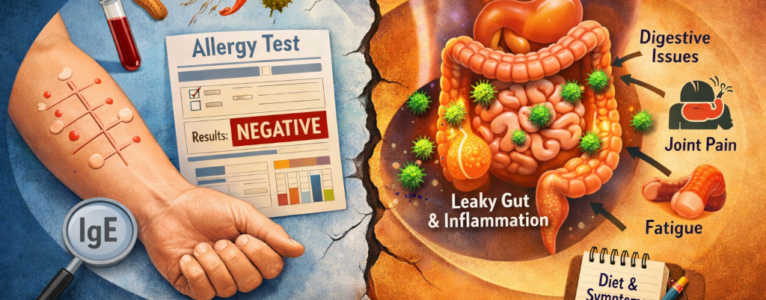
Why Lectins Are Not Always Detectable Through Allergy Tests
For many people beginning a low-lectin journey, the first instinct is to seek confirmation. If food is causing symptoms, there must be a test that can identify the culprit.
Understanding what lectins are and how they interact with the body is the foundation of a low-lectin lifestyle. This category covers the essential science behind lectins, how they influence digestion and inflammation, and why certain foods may cause discomfort for sensitive individuals. You’ll find clear explanations, beginner-friendly guides, and practical insights to help you make informed decisions.
Whether you’re new to the concept or refining your understanding, these articles break down complex topics into simple, actionable information. Start here if you want to truly understand the “why” behind living low-lectin.
For many people beginning a low-lectin journey, the first instinct is to seek confirmation. If food is causing symptoms, there must be a test that can identify the culprit.
Long before lectins became a modern buzzword linked to gut health, inflammation, or elimination diets, they were quietly present in nearly every plant food humans touched.
Lectins have gone from obscure biochemical footnotes to one of the most debated topics in modern nutrition. For decades, these plant proteins were discussed almost exclusively in academic journals…
Nightshades are some of the most familiar and widely consumed foods in the modern diet. Tomatoes, potatoes, peppers, and eggplants appear across cuisines, cultures, and comfort foods alike.
Lectins have become one of the more debated food compounds in recent years, not because they suddenly appeared in the human diet, but because people are beginning to notice that these natural proteins don’t affect everyone the same way.
Many people exploring a low-lectin lifestyle eventually run into an unexpected truth: the way you cook your food can dramatically change how your body responds to it.
For many people working toward better digestive health, terms like lectin sensitivity, food intolerance, and even food allergies are often used interchangeably.
Lectins have become something of a dietary villain in recent years. They’re blamed for digestive discomfort, inflammation, autoimmune flares, and weight issues.
For years, lectins have stirred debate in nutrition circles. Some people swear that reducing lectins transformed their digestion, inflammation levels, and energy.
Lectins have become one of the most debated compounds in modern nutrition. Some people say lectins are harmless in small amounts and easily neutralized by cooking.
Lectins have become a buzzword in the nutrition world that are praised by some, questioned by others, and often misunderstood by the people just trying to make sense of their own health.