The Role of Nightshade Lectins: What Makes Them Different
Nightshades are some of the most familiar and widely consumed foods in the modern diet. Tomatoes, potatoes, peppers, and eggplants appear across cuisines, cultures, and comfort foods alike.

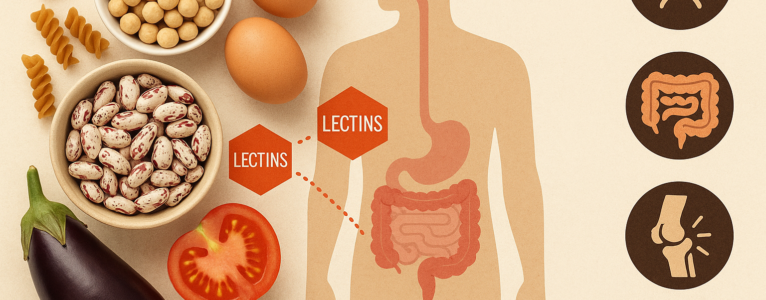
Understanding what lectins are and how they interact with the body is the foundation of a low-lectin lifestyle. This category covers the essential science behind lectins, how they influence digestion and inflammation, and why certain foods may cause discomfort for sensitive individuals. You’ll find clear explanations, beginner-friendly guides, and practical insights to help you make informed decisions.
Whether you’re new to the concept or refining your understanding, these articles break down complex topics into simple, actionable information. Start here if you want to truly understand the “why” behind living low-lectin.
Nightshades are some of the most familiar and widely consumed foods in the modern diet. Tomatoes, potatoes, peppers, and eggplants appear across cuisines, cultures, and comfort foods alike.
Lectins have become one of the more debated food compounds in recent years, not because they suddenly appeared in the human diet, but because people are beginning to notice that these natural proteins don’t affect everyone the same way.
A dried kidney bean undergoes considerable physical and chemical changes between the time it leaves the pantry and the moment it becomes part of a meal.
A bowl of lentil soup can cause bloating for several different reasons.
Some of the foods most frequently restricted in low-lectin eating are also among the most extensively studied ingredients in human nutrition.
A bowl of improperly cooked kidney beans and a salad containing fresh tomatoes both introduce plant lectins into the digestive system, yet their potential effects on human health are considerably different.
The relationship between dietary lectins, digestion, and inflammation involves several areas of biological research that are often discussed together despite having different levels of scientific support.
Lectins are a family of naturally occurring proteins found in many of the foods people eat every day.