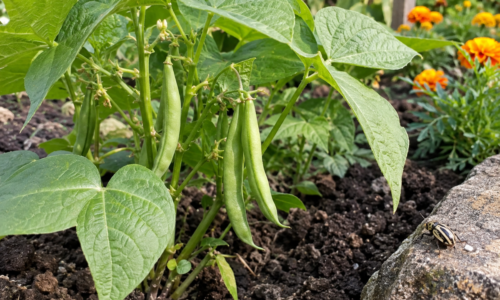
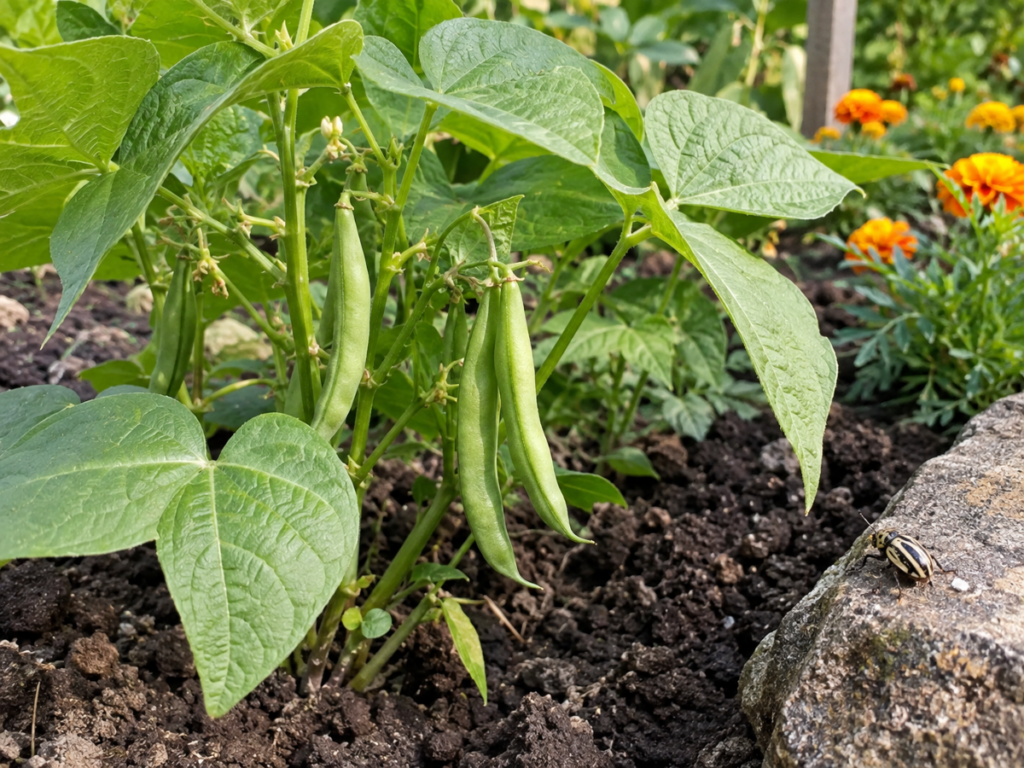
A leaf standing in a field is food to something. Beetles chew it, aphids tap into its sap, caterpillars strip away tissue, and larvae may spend their entire development feeding inside seeds. Plants cannot run from that pressure, so they rely on layers of defense that include tough surfaces, bitter or reactive compounds, signaling chemicals, and defensive proteins. Lectins are one part of that system, and their relationship with insects offers a useful way to understand why some plants are less appealing, less nourishing, or harder for certain pests to exploit.
The phrase “insects avoid high-lectin plants” needs some care, because avoidance is only part of the story. Some plant traits discourage insects from landing, feeding, or laying eggs, a pattern agricultural scientists call antixenosis. Lectins more often fit another form of resistance called antibiosis, in which an insect may feed on the plant but grows more slowly, reproduces less successfully, or experiences digestive and physiological stress afterward. Recent reviews of plant resistance still use this distinction because resistance can change insect behavior, insect biology, or both.
Lectins Are One Piece of a Plant’s Defense System
Lectins are proteins that bind to particular carbohydrate structures. Plants produce many different lectins, and they do not all behave the same way. Some are present at fairly steady levels in certain tissues, while others increase after damage, insect feeding, or other forms of stress. Research over several decades has found that a number of plant lectins can interfere with insect growth and survival, which supports the idea that at least some lectins serve defensive roles.
That defense is especially relevant in tissues a plant has a strong reason to protect. Seeds, bulbs, tubers, bark, and other storage tissues often contain substantial amounts of defensive proteins because those tissues hold energy or reproductive value for the plant. A seed is a concentrated package of starch, protein, and minerals, which makes it an attractive target for insects unless the plant has ways to make that meal costly. Lectins, protease inhibitors, enzyme inhibitors, tough seed coats, and other defenses can work together rather than acting as a single barrier.
This is one reason the plant defense story is more useful than a simple “lectins repel bugs” explanation. An insect deciding whether to feed on a plant encounters texture, odor, surface waxes, plant chemicals, nutritional quality, and previous experience with that host. Even after feeding begins, digestive enzymes, gut microbes, and the insect’s own inherited adaptations determine whether the meal supports growth or creates problems.
What Happens After an Insect Eats Certain Lectins
The digestive tract of an insect has carbohydrate-containing molecules on cell surfaces and in protective gut structures. Some lectins can bind to those molecules after they are eaten. Research has shown effects that can include disruption of gut surfaces, interference with nutrient absorption, slowed larval development, reduced body weight, lower fecundity, delayed pupation, and, with some lectins and insect species, increased mortality.
Resistance to digestion appears to matter as well. A defensive protein that is immediately broken into harmless amino acids is unlikely to have much effect, while certain lectins remain active long enough to interact with the insect gut. Studies of several plant lectins have found that both carbohydrate binding and resistance to digestive enzymes can contribute to anti-insect activity.
Those effects do not mean every lectin affects every insect. Lectin specificity matters, and insect digestive systems vary widely between species. A lectin that slows one beetle may do little to a caterpillar, while a sap-feeding aphid may encounter a very different set of plant proteins than a larva chewing through a seed.
Why Some Insects Still Eat Defended Plants
Natural selection works on both sides of the relationship. Plants that suffer heavy herbivore damage are under pressure to retain or improve useful defenses, while insects that rely on those plants are under pressure to tolerate, avoid, break down, or work around those defenses. The result is a long-running biological contest rather than a one-sided system in which plants simply become impossible to eat.
Specialist insects are especially good examples. Some feed on plants that many other insects avoid because they have evolved digestive enzymes, detoxification systems, feeding behaviors, or microbial partners that help them handle the host’s chemistry. Plant defense can therefore reduce the number of successful herbivores without eliminating them, and the insects that remain may be the ones best adapted to that exact plant.
This helps explain why an apparently resistant plant can still have a pest problem. A plant may resist many generalist feeders while remaining vulnerable to one insect that has adapted to it. In agriculture, heavy dependence on a single resistance trait can also create selection pressure favoring pests that tolerate that trait, which is one reason durable pest management usually combines plant resistance with crop rotation, biological control, habitat management, and other methods.
Wild Plants Can Teach Agriculture About Resistance
Domestication changed plants in ways that made them better food for people and easier to farm. Humans selected for larger seeds, bigger fruit, less bitterness, thinner protective coverings, easier harvest, reliable maturation, and higher yields. Those changes can affect relationships with insects, sometimes intentionally and sometimes as an indirect side effect of selecting for other traits.
A large meta-analysis comparing crops with wild relatives found that domestication was generally associated with lower resistance to herbivores, although the specific plant traits behind that change were not consistent across every crop. A later meta-analysis focused on fruit and seed crops also found greater herbivory and lower levels of several kinds of defense in domesticated plants compared with wild relatives. These findings support the broader agricultural observation that wild germplasm can contain resistance traits worth preserving and studying, but they do not show that lost lectins alone explain crop susceptibility.
That distinction matters. A wild bean may resist an insect because of lectins, enzyme inhibitors, seed-coat characteristics, volatile compounds, or several traits acting together. Plant breeders looking for pest resistance are therefore interested in whole resistance patterns, not simply in producing the highest possible concentration of one defensive protein.
Natural Agriculture Works Best With Layered Defenses
Agriculture that tries to work more closely with biological processes has a lesson to borrow from wild plant communities: resistance is usually strongest when it is distributed across many features of the system. A crop with some inherited resistance can reduce pest success, while flowering borders may support predators and parasitoids, crop diversity can make host finding harder, and rotation can interrupt pest life cycles. None of those practices depends on a single chemical answer.
Host-plant resistance itself is commonly described through three broad mechanisms. Antixenosis makes a plant less attractive or less suitable for settling and feeding. Antibiosis reduces the insect’s growth, survival, or reproduction after feeding begins. Tolerance allows the plant to withstand a certain amount of feeding without suffering the same loss in productivity. Modern plant-resistance research continues to treat those mechanisms as complementary rather than interchangeable.
Lectins belong mainly in the antibiosis part of that picture, although feeding deterrence has been reported for some lectins. Reviews of plant lectin research have found that certain lectins can reduce feeding or egg laying as well as affect insect development after ingestion. That makes the common phrase “insects avoid lectins” partly true in selected plant-insect combinations, but too broad as a general rule.
The Insect Comparison Does Not Translate Directly to Human Digestion
The agricultural biology is interesting for low-lectin eaters because it helps explain why plants make these proteins in the first place. It does not mean that an insect feeding trial can tell us how a cooked food will affect a person. Insects have different digestive tracts, different enzymes, different gut barriers, different body sizes, and often eat plant tissues raw for days or weeks as their primary food source.
Human food preparation changes the situation further. The clearest safety example is phytohaemagglutinin in raw or undercooked kidney beans. The U.S. Food and Drug Administration identifies this lectin as a natural plant defense compound and advises soaking beans for at least five hours, discarding the soaking water, and boiling them in fresh water for at least 30 minutes to destroy the toxin. Properly cooked or canned kidney beans contain much lower amounts and are considered safe for ordinary consumption.
That is a useful reminder for low-lectin meal planning. The amount and activity of a lectin in the raw plant are not necessarily the same as the amount that reaches the plate after soaking, boiling, pressure cooking, fermentation, peeling, or other processing. Food choice and preparation both shape exposure.
Seeds and Storage Tissues Deserve a Closer Look
A low-lectin approach often pays closer attention to beans, grains, seeds, and certain other plant foods because lectins can be concentrated in tissues that protect stored nutrients or future seedlings. That pattern has a clear biological logic, but it should not be turned into a universal rule that every seed is high in problematic lectins or every leaf is low. Plant species differ, lectin families differ, and processing methods differ.
For practical eating, it is often more useful to think in terms of preparation and personal response than to rank every food by a single raw lectin number. Properly cooked legumes are very different from raw legumes. Refined or peeled foods may differ from their whole counterparts, and fermentation can alter proteins in ways that raw-food comparisons do not capture.
People who are experimenting with a low-lectin pattern can use those distinctions to make the diet more workable. One person may prefer to avoid certain beans entirely, while another may tolerate carefully prepared legumes without difficulty. Tracking the exact food, portion, preparation method, and later digestive response gives more useful information than assuming that insect resistance automatically predicts a human reaction.
Agriculture and the Kitchen Are Both About Managing Exposure
Plant defenses are part of the reason agriculture has always involved more than simply putting seed in soil. Farmers select varieties, protect crops, rotate fields, manage insect populations, and use processing after harvest because plant biology and food use are connected from field to kitchen. Lectins fit into that connection as one family of proteins that may help some plants resist some herbivores under certain conditions.
For the person eating a low-lectin diet, the agricultural lesson is practical rather than dramatic. A plant may produce defensive compounds because survival favors them, yet human beings have also spent thousands of years selecting, soaking, grinding, fermenting, boiling, and otherwise preparing plants to make them more useful as food. The same bean that is well defended in the field can become a very different food after appropriate preparation, which is why plant defense biology makes the most sense when it is considered alongside cooking method, dose, food form, and individual tolerance.