
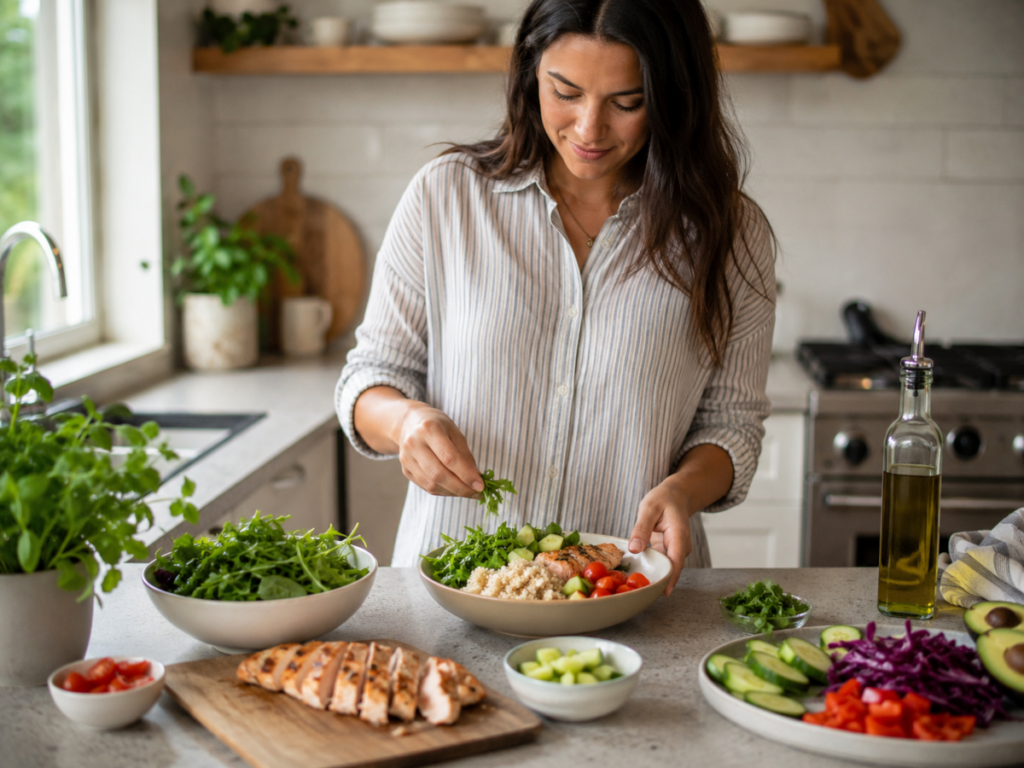
There is a certain kind of fatigue that can come from trying to eat “correctly.” At first, measuring portions, tracking symptoms, checking ingredients, and weighing every choice can feel empowering. It gives structure to a lifestyle that may have once felt confusing. But over time, that same structure can start to feel like a second job, especially when all you wanted was a peaceful meal that supports your body.
A low-lectin lifestyle does not have to mean eating with a calculator nearby. In fact, for many people, the most sustainable version of this lifestyle comes from learning a few visual patterns that can be repeated again and again. Once you understand what a balanced low-lectin plate looks like, you can walk into your kitchen, open the refrigerator, and build a meal with confidence instead of anxiety.
This is not about being careless. It is about replacing constant tracking with practical awareness. Lectins are proteins found in many plant foods, and some people may feel better when they reduce or carefully prepare higher-lectin foods. Research continues to show that preparation matters, especially for foods such as beans and legumes, where soaking and boiling can significantly reduce active lectins. At the same time, broad nutrition research still supports the value of balanced meals built around vegetables, quality protein, healthy fats, and fiber-rich foods. The goal is not fear. The goal is rhythm.
The Plate Method, Low-Lectin Style
The simplest way to build a low-lectin plate is to stop thinking of meals as numbers and start thinking of them as zones. Picture your plate as having three main areas: a generous vegetable base, a steady protein anchor, and a satisfying fat or flavor element that makes the meal feel complete. This mirrors the broader “healthy plate” idea used in nutrition education, where vegetables and whole foods take center stage, but it adapts the concept for someone who is being more selective about lectins.
For a low-lectin approach, the vegetable portion usually leans toward leafy greens, cruciferous vegetables, peeled vegetables, or cooked non-starchy vegetables that tend to be gentler for many people. Think sautéed spinach, roasted cauliflower, steamed broccoli, cabbage, asparagus, mushrooms, peeled zucchini, or a simple salad with tender greens. These foods help create volume and satisfaction without forcing the meal to depend on grains, beans, or seed-heavy ingredients.
The protein anchor is what keeps the plate from becoming “just vegetables.” This might be wild-caught fish, pasture-raised eggs, chicken, turkey, grass-fed beef, lamb, or another clean protein that fits your preferences and budget. Protein helps stabilize the meal, supports satiety, and makes the plate feel like dinner instead of a snack wearing a salad costume.
Then comes the part many people accidentally skip: fat and flavor. A drizzle of extra virgin olive oil, avocado oil, a few olives, avocado, herbs, lemon, garlic-infused oil, or a compliant sauce can turn plain ingredients into something you actually want to eat. This matters because a lifestyle only works long term when the food is enjoyable. If every plate feels like punishment, the plan will eventually lose to pizza night.
Build From the Center, Not From the Rules
A helpful mental shift is to build each plate from the center outward. Start by asking, “What is the main thing this meal is built around?” If the answer is salmon, then the rest of the plate can support that salmon with roasted asparagus, a handful of greens, olive oil, and maybe a small portion of mashed cauliflower. If the answer is eggs, the plate might become an omelet with mushrooms and spinach, served with avocado and herbs. If the answer is leftover chicken, it can become a warm bowl with sautéed cabbage, zucchini, and a simple olive oil dressing.
This approach removes the need to measure because the meal already has structure. The protein gives the plate purpose. The vegetables provide volume and variety. The fats bring satisfaction. Once those pieces are present, you are no longer wandering through the kitchen trying to assemble random “safe” foods.
This is especially useful for people who have spent time tracking reactions. Tracking can be valuable during a discovery phase, but it can become exhausting if it never ends. Eventually, many people need a bridge between strict observation and normal eating. Visual plate-building gives you that bridge. You are still being thoughtful, but you are not turning every meal into a spreadsheet.
The trick is to keep your default meals boring in structure but interesting in flavor. That might sound backward, but it works. The structure stays familiar: protein, vegetables, fat, and seasoning. The flavor changes: lemon and herbs one day, garlic and olive oil another day, ginger and coconut aminos another day, rosemary and roasted vegetables the next. Your body gets consistency, while your taste buds get variety.
Choosing Vegetables Without Overthinking
Vegetables are often where people get stuck, because they hear “plant foods contain lectins” and suddenly every vegetable starts looking suspicious. But a low-lectin lifestyle is not a vegetable-free lifestyle. It is a more selective and better-prepared vegetable lifestyle.
For everyday plates, many people do well by leaning on leafy greens, cruciferous vegetables, mushrooms, alliums, herbs, and peeled or deseeded options when appropriate. Spinach, arugula, romaine, bok choy, broccoli, cauliflower, cabbage, Brussels sprouts, onions, garlic, and mushrooms can become the backbone of countless meals. Cooking can also make many vegetables easier to tolerate, especially when digestion is sensitive.
The “without tracking” part comes from building a reliable rotation. Instead of asking yourself every night whether a food is good or bad, you create a short list of vegetables that usually work for you. Keep those in the house most often. Then, when you experiment, you do it with one new or less familiar food at a time, rather than changing the whole plate and wondering what caused what.
This is also where preparation matters. Peeling and deseeding certain vegetables can reduce exposure to parts of the plant that some low-lectin eaters choose to avoid. Pressure cooking is often used in the low-lectin world for higher-risk foods because wet heat can reduce active lectins in foods where lectins are a concern. Research on commonly consumed plant foods has shown that soaking and boiling can be enough to inactivate active lectins in certain cases, which supports the broader idea that preparation is a major part of lectin management.
Still, it is worth staying grounded. Not every plant food is a problem for every person, and not every symptom after a meal is automatically about lectins. Stress, sleep, meal size, food additives, histamine, fat load, fiber load, and eating speed can all affect digestion. A good low-lectin plate lowers obvious friction without assuming that food is the only variable in the room.
Protein Makes the Plate Feel Safe and Steady
When people try to eat cleaner, they sometimes under-build the meal. They remove grains, beans, nightshades, seeds, sauces, and processed foods, but they do not replace them with enough satisfying food. Then they wonder why they are hungry an hour later, standing in front of the pantry like a raccoon with decision fatigue.
Protein helps prevent that. It gives the plate staying power. It also makes low-lectin eating feel less restrictive because the meal has a clear foundation. A piece of fish with greens and olive oil feels like a meal. A bowl of lettuce with fear sprinkled on top does not.
You do not need to weigh the protein to make this work. A practical visual cue is to serve a portion that looks like the main anchor of the plate, not a garnish. For many adults, that often means a palm-sized portion or a little more, depending on appetite, activity level, and personal needs. Someone who is active, healing, or eating fewer starches may need more protein than they expect, while someone eating a lighter meal may need less.
The type of protein also matters for sustainability. If wild salmon is perfect for you but too expensive to eat often, it should not be your only plan. Eggs, chicken thighs, turkey patties, sardines, clean leftovers, or slow-roasted meats can all help create simple meals without turning dinner into a financial crisis. A lifestyle that bankrupts you is not sustainable, no matter how “perfect” the plate looks.
Fat and Flavor Are Not Extras
One of the biggest mistakes people make when building low-lectin plates is treating fat and flavor like optional decorations. They are not. They are often the difference between feeling deprived and feeling nourished.
Extra virgin olive oil, avocado oil, coconut milk in the right dish, avocado, olives, herbs, citrus, vinegars that work for you, and clean spice blends can bring a plate to life. This is where you can create a Mediterranean-style plate, a cozy roasted dinner, a bright salad bowl, or a simple breakfast skillet without changing the basic formula.
Fat also helps carry flavor and can make vegetables more enjoyable. Steamed broccoli is fine. Steamed broccoli with olive oil, lemon, sea salt, and a little garlic is a different experience. Cauliflower mash is acceptable. Cauliflower mash with olive oil, roasted garlic, and herbs feels intentional.
The key is to avoid letting sauces sneak in ingredients that work against you. Many bottled dressings and marinades contain seed oils, gums, added sugars, soy, grain-based thickeners, or pepper-heavy spice blends. That does not mean you can never use convenience products, but it does mean the label matters. When in doubt, a simple homemade dressing of olive oil, lemon juice, herbs, and salt can rescue almost any plate.
The No-Tracking Daily Rhythm
The easiest low-lectin routine is one you can repeat when life is normal, busy, messy, or slightly chaotic. That usually means keeping a few cooked proteins ready, washing or chopping vegetables ahead of time, and having one or two sauces or dressings available. You are not meal-prepping every bite like a fitness influencer with twelve identical containers. You are simply making the next good choice easier.
Breakfast might be eggs with greens and avocado. Lunch might be leftover chicken over romaine with olive oil and roasted vegetables. Dinner might be salmon with cauliflower and sautéed spinach. The meals look different enough to avoid boredom, but the architecture is the same. Protein, vegetables, fat, flavor.
When you do want starch, you can choose it intentionally instead of accidentally. Some low-lectin eaters use small portions of pressure-cooked resistant starches, peeled root vegetables, green banana flour recipes, or other options that fit their tolerance. The important part is that starch does not have to dominate the plate. It can be a supporting character.
This is also where appetite becomes useful again. Many people lose touch with hunger and fullness when they are constantly tracking. A plate method helps bring that awareness back. If you are still hungry after a meal, maybe the plate needed more protein, more fat, or more cooked vegetables. If you feel heavy or sluggish, maybe the meal was too large, too fatty, too fibrous, or too complex. You adjust the next plate rather than judging yourself.
A Flexible Plate Beats a Perfect Plan
Low-lectin eating works best when it becomes a calm pattern, not a daily courtroom drama. You do not need to prosecute every ingredient. You need enough knowledge to make supportive choices most of the time, enough flexibility to live your life, and enough curiosity to notice what your body is telling you.
A balanced low-lectin plate does not need a scale. It needs a visual rhythm: vegetables that suit you, protein that steadies you, fat that satisfies you, and flavor that makes the meal worth repeating. When those pieces are in place, you can eat with more confidence and less mental clutter.
There will still be days when you simplify. There will be days when you experiment. There may even be days when you learn that a food you expected to tolerate does not work well for you right now. That is not failure. That is feedback.
The goal is not to build a perfect plate forever. The goal is to build a plate you can return to when you need steadiness. A plate that feels nourishing without being complicated. A plate that reminds you that low-lectin living is not just about avoiding triggers. It is about creating meals that help your body feel calmer, stronger, and more at home.