Why Some Foods Need Multiple Prep Steps
For most of human history, food preparation was not a matter of convenience. It was a matter of survival.

The way you prepare food can dramatically change lectin levels, nutrient availability, and digestive comfort. In this category, you’ll learn essential low-lectin cooking techniques like pressure cooking, fermentation, soaking, sprouting, peeling, deseeding, and more. Each method is explained step-by-step so you can apply it confidently at home.
These guides help you transform high-lectin foods into gentler, gut-friendly options and maximize flavor along the way. If you’re looking to build your skills and master the low-lectin kitchen, start here.
For most of human history, food preparation was not a matter of convenience. It was a matter of survival.
For most people trying to eat better, cooking shortcuts feel like survival tools. Modern life does not leave much room for soaking beans overnight, simmering broths for hours, or carefully peeling and deseeding vegetables after a long workday.
Long before lectins became a buzzword in modern nutrition, people around the world were already developing ways to live with them.
For anyone exploring a low-lectin way of eating, cooking methods quickly become more than a culinary preference.
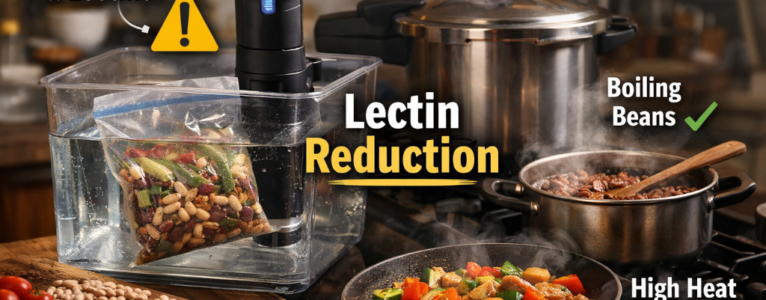
Sous-vide cooking has earned a reputation as one of the most precise and gentle ways to prepare food.
When people begin paying attention to lectins, cooking quickly becomes part of the conversation. It is not just what you eat, but how you prepare it.
One of the most persistent myths in nutrition is the idea that food safety, digestibility, and tolerance are mostly a function of how long something is cooked.
One of the quiet assumptions most people make about food is that once it is cooked, it is “done.” The cooking step is treated as a finish line.
For decades, raw food has carried an almost untouchable reputation. Raw means natural. Raw means pure. Raw means healthy.
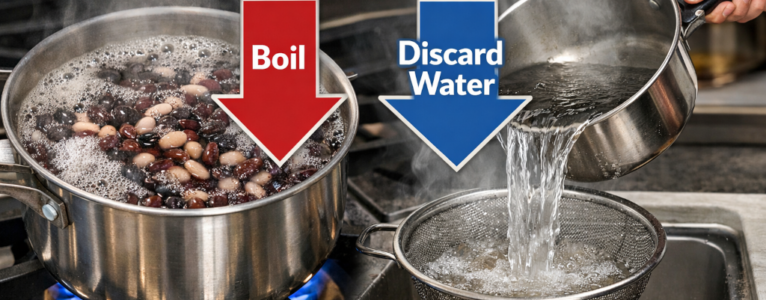
One of the simplest instructions you will see repeated in traditional cooking, ancestral food preparation, and modern low-lectin guidance is this: boil the food and discard the water.
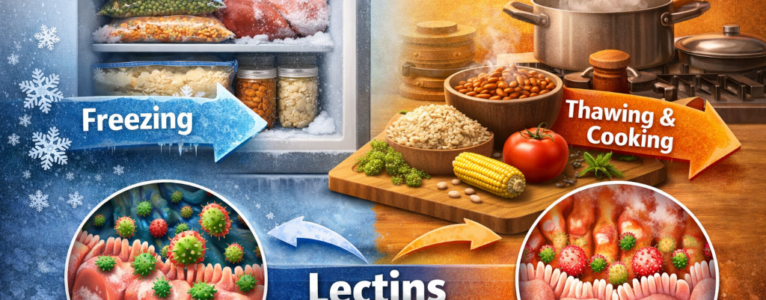
Freezing is one of the most common food preservation methods in the modern world. It is quiet, convenient, and largely invisible once food is tucked away behind a freezer door.
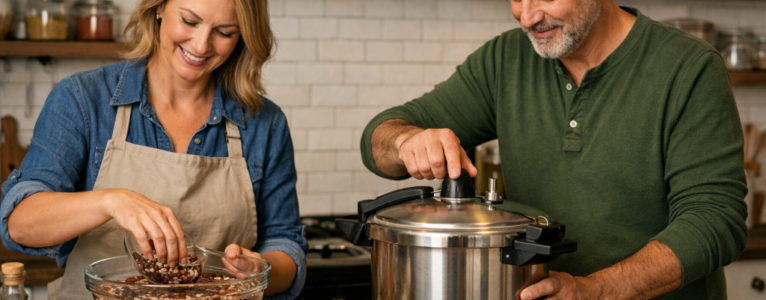
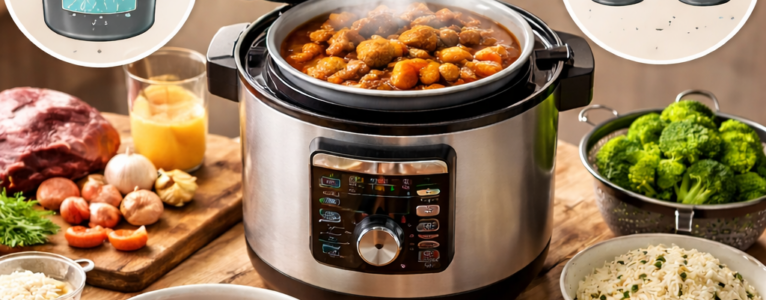
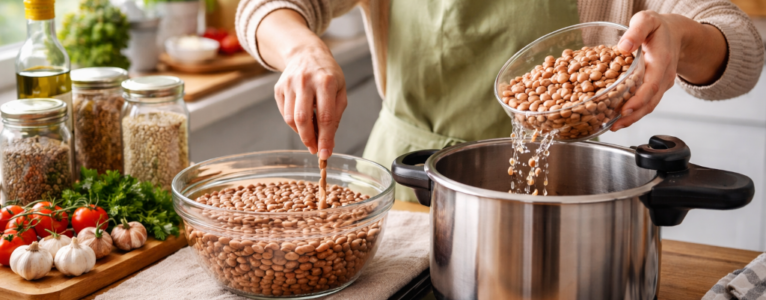
Pressure cooking often enters people’s kitchens with a mix of excitement and hesitation. On one hand, it promises faster meals, deeper flavors, and improved nutrient retention.
Sprouting grains and legumes has been practiced for thousands of years, long before nutrition science had the tools to explain why it worked.
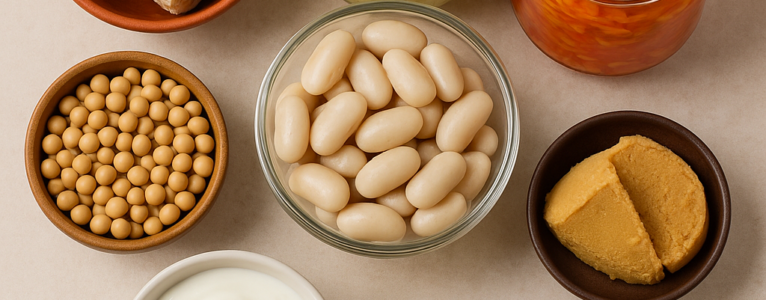
Fermentation is one of the oldest food preservation methods known to humanity, yet it continues to surprise modern researchers with how profoundly it reshapes the chemistry of what we eat. When it comes to high lectin foods, fermentation does something especially interesting. It transforms ingredients that may trouble sensitive individuals …
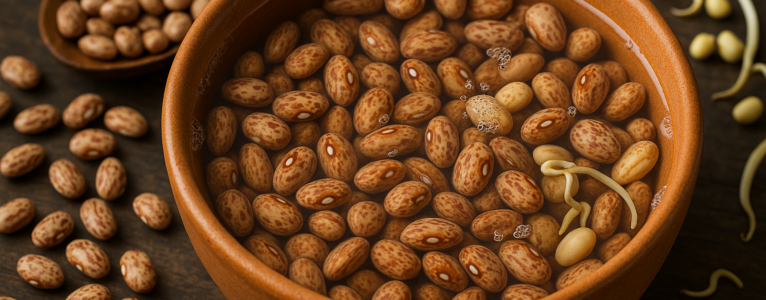
For generations, soaking has been part of traditional food preparation. Long before home cooks ever heard the word lectin, people were soaking beans overnight, rinsing grains before cooking, and softening nuts in water until they loosened and swelled.