Non-A1 Dairy Options on a Low-Lectin Lifestyle
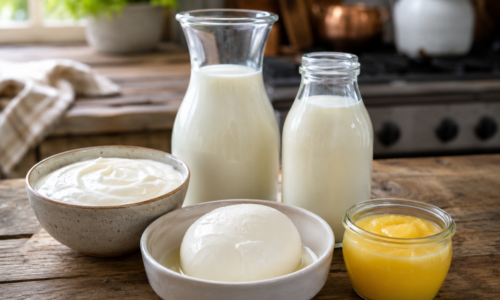
Dairy often becomes one of the most confusing parts of a low-lectin lifestyle. Some people remove it immediately, assuming every milk product belongs on the same avoidance list.

Choosing the right ingredients is easier when you have clear, organized references at your fingertips. This category offers lectin-safe food lists, shopping guides, substitution charts, and product breakdowns to help you navigate the grocery store with confidence. You’ll learn which foods support a low-lectin lifestyle and how to replace common high-lectin ingredients without sacrificing taste.
These resources are practical, printable, and grounded in real-world experience. Use this section anytime you’re planning meals or stocking your pantry.
Dairy often becomes one of the most confusing parts of a low-lectin lifestyle. Some people remove it immediately, assuming every milk product belongs on the same avoidance list.
The modern grocery store is built to make people feel like they are making good choices before they ever read an ingredient list. Bright labels, earthy packaging, gentle fonts, and comforting claims work together to create a mood.
Comfort food is rarely just about food. It is memory, routine, family, weather, stress relief, and the kind of meal that tells your nervous system, “You can relax now.”
A low-lectin lifestyle becomes much easier when your pantry quietly supports you before hunger starts making decisions.
For many people starting a low-lectin lifestyle, flour is one of the first kitchen questions that feels bigger than expected.
Walk into almost any modern health conversation and you will eventually hear someone mention MCT oil.
When people first begin adjusting to a low lectin lifestyle, their focus tends to land on the obvious. They look at breads, grains, legumes, and nightshades, and start making substitutions.
There is something deeply reassuring about a warm bowl of soup or stew. It slows you down, invites you to sit, and delivers nourishment in a way that feels both simple and complete.
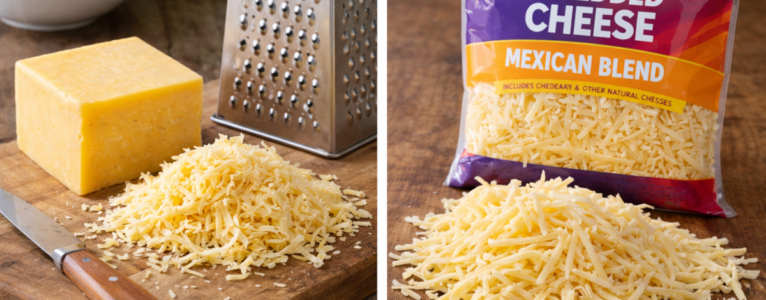
For many people exploring a low-lectin lifestyle, dairy becomes one of the more nuanced categories to navigate. On the surface, cheese and dairy products can seem straightforward.
There is a moment that often defines whether someone stays consistent with a low lectin lifestyle or quietly drifts away from it. It usually does not happen in the grocery store or while reading labels.
For many people pursuing a low lectin lifestyle, supplements feel like a safe zone.
One of the biggest misconceptions about a low-lectin lifestyle is that it requires sacrifice in flavor, texture, and satisfaction.
When people begin exploring digestive health, they often focus on the obvious suspects. Gluten, sugar, processed foods, and sometimes lectins take center stage.
There is something almost instinctive about a simmering pot of broth. Long before nutrition labels and ingredient panels, people understood that slow-cooked bones, vegetables, and herbs created something deeply nourishing.
There is something deeply intuitive about the idea that food closer to its natural state tends to support the body more effectively. This idea shows up again and again when people begin exploring a low-lectin lifestyle.